⚕️ Medical Disclaimer: This article is for informational purposes only and does not constitute medical advice. Always consult a qualified healthcare professional before making changes to your health routine.
⚡ TL;DR
- Your nervous system can get stuck in fight-or-flight mode from chronic stress, even when no real threat exists.
- Signs of dysregulation include persistent anxiety, disrupted sleep, gut issues, fatigue, and emotional reactivity.
- Simple, evidence-backed tools — breathwork, movement, and somatic practices — can restore balance by activating the parasympathetic (rest-and-digest) system.
- Consistency matters more than intensity: small daily practices outperform occasional big resets.
Do you ever feel like you can’t fully relax, even on a quiet evening? Like your body is always braced for something — jaw tight, shoulders up, mind racing — even when nothing is actually wrong? You’re not imagining it, and you’re not broken. What you may be experiencing is a nervous system that has learned to stay on high alert.
Last updated: June 2026

📋 Table of Contents
What Is Nervous System Regulation?
Your autonomic nervous system (ANS) runs in the background at all times, managing your heart rate, digestion, breathing, and stress response without conscious effort. It has two main branches that ideally work in balance: the sympathetic nervous system (SNS) — responsible for the fight-or-flight response — and the parasympathetic nervous system (PNS) — responsible for rest, digestion, and recovery.
When you’re well-regulated, these two systems shift fluidly depending on what the moment requires. You can respond to a stressful event and then return to calm. Nervous system dysregulation happens when this flexibility breaks down — when the system gets stuck in survival mode and loses the ability to fully recover. Chronic stress is the most common trigger, but trauma, poor sleep, and lifestyle factors all play a role.
A useful framework for understanding this comes from Dr. Stephen Porges’ Polyvagal Theory, which describes three states the nervous system moves through: a ventral vagal state (safe, calm, socially engaged), a sympathetic state (mobilised, fight-or-flight), and a dorsal vagal state (shutdown, freeze, dissociation). Most modern stress keeps people cycling between the latter two — never fully returning to the calm, connected state where healing and connection happen.
Signs Your Nervous System Is Dysregulated
Nervous system dysregulation is often misread as personality traits or separate health problems. Recognising the pattern as a whole is the first step toward addressing it at the root. Common signs include:
- Persistent anxiety or a sense of dread that doesn’t match the situation
- Trouble falling or staying asleep even when you’re exhausted
- Digestive issues like bloating, IBS, or irregular bowel habits — the gut is directly regulated by the nervous system
- Chronic fatigue that doesn’t improve with rest
- Emotional reactivity: snapping easily, crying unexpectedly, or feeling numb
- Jaw clenching, shoulder tension, or shallow breathing as a default resting state
- Brain fog and difficulty concentrating even on simple tasks
- Feeling unable to relax — like rest never feels truly restful
These symptoms are real physical responses, not signs of weakness. Researchers note they stem from a system stuck in prolonged activation that hasn’t been given the right signals to return to baseline.
💡 Did You Know? According to Gallup’s 2025 global survey covering 144 countries, 40% of people report experiencing high anxiety on any given day — a figure that reflects how widespread nervous system dysregulation has become.
The Vagus Nerve: Your Reset Switch
At the heart of nervous system regulation sits the vagus nerve — the longest cranial nerve in the body, running from the brainstem all the way down to the colon. It is the primary driver of the parasympathetic system and acts as an information highway between body and brain, influencing heart rate, digestion, inflammation, and mood.
According to experts at Cedars-Sinai, many activities we associate with calmness — deep breathing, meditation, gentle massage, and even experiences of awe — work in part by increasing vagus nerve activity. This is measurable through heart rate variability (HRV): higher HRV indicates a healthier, more flexible nervous system with stronger vagal tone.
The good news? Vagal tone is trainable. Research published in Scientific Reports found that even a single session of deep, slow breathing significantly increased HRV and reduced self-reported anxiety in both younger and older adults. This suggests the vagus nerve responds quickly to the right inputs, regardless of age.
Breathwork Tools That Actually Work
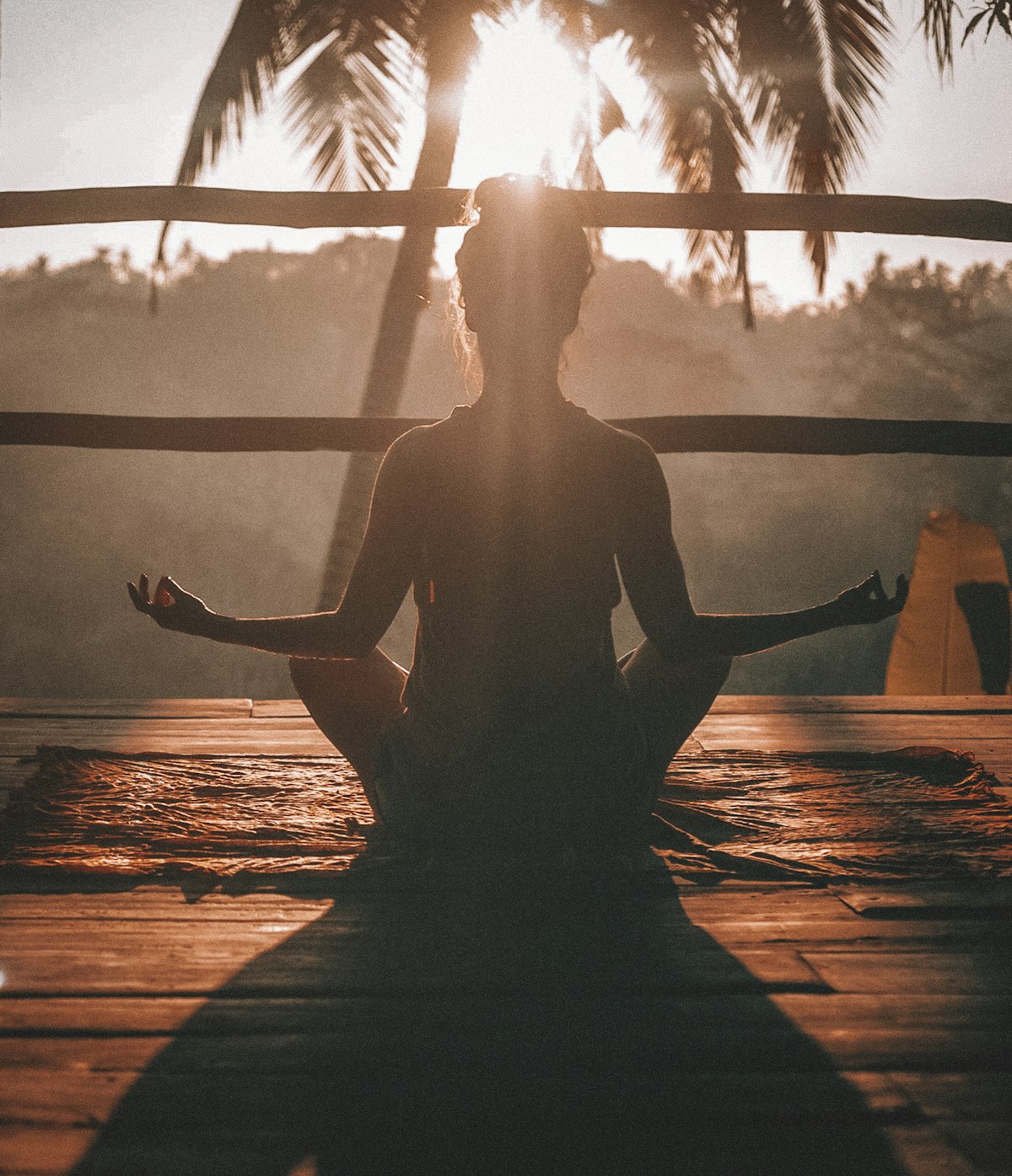
Breath is unique among bodily functions: it is both automatic and voluntary. This dual nature makes it a rare direct lever over the otherwise involuntary autonomic nervous system. When breathing is slow and the exhale is extended, the parasympathetic system activates; when it is rapid and shallow, the sympathetic system dominates.
Here are four well-researched techniques worth building into daily life:
1. Extended Exhale Breathing (4–6 or 4–8)
Inhale for 4 counts, exhale for 6 to 8 counts. The longer exhale is the active ingredient — the vagus nerve is stimulated during exhalation, so making the exhale longer than the inhale directly shifts the system toward parasympathetic dominance. Research consistently points to around 6 breaths per minute as a sweet spot for maximising HRV. A 4-second inhale and 6-second exhale is an accessible starting point with similar benefits.
2. Box Breathing (4–4–4–4)
Inhale for 4 counts, hold for 4, exhale for 4, hold for 4. This technique is widely used in high-stress professional settings — including by military and emergency services personnel — to create an immediate sense of steadiness and interrupt escalating anxiety. It works by introducing intentional rhythm into the breathing cycle, which communicates safety to the nervous system.
3. Physiological Sigh (Double Inhale, Long Exhale)
Take a full inhale through the nose, sniff in a short second breath to fully inflate the lungs, then release everything in one long exhale through the mouth. This pattern — studied by researchers at Stanford — is what the body does naturally when it needs to quickly offload CO² and down-regulate. Even a single physiological sigh can produce a measurable calming effect within seconds. It is arguably the fastest known voluntary method for reducing physiological arousal.
4. Resonance Breathing (5–6 Breaths per Minute)
Inhale for 5 seconds, exhale for 5 seconds, repeated for 5 to 20 minutes. This rhythm synchronises breathing with the body’s natural heart rate oscillation and produces the largest possible gains in HRV. Research on heart rate variability biofeedback (HRVB) training shows regular practice at this pace can meaningfully improve autonomic flexibility over weeks, with benefits for anxiety, blood pressure, and sleep quality.
Somatic Practices to Regulate Day to Day
Breathwork targets the nervous system top-down through conscious control of the breath. Somatic practices work from the body upward — using movement, sensation, and awareness to discharge stored stress and restore a felt sense of safety. Both approaches are valuable; together they are more powerful.
The research base for somatic approaches has grown substantially. A 2025 paper published in Healthcare (MDPI) described body-based somatic interventions as accessible, scalable methods for promoting wellbeing that align with the WHO’s call for innovative mental health strategies beyond traditional cognitive approaches alone.
Grounding (5-4-3-2-1 Sensory)
Name 5 things you can see, 4 you can touch, 3 you can hear, 2 you can smell, 1 you can taste. This interrupts rumination by anchoring attention in the present physical environment. It directly counters the nervous system’s tendency to time-travel into threat anticipation.
Orienting
Slowly move your head and eyes to take in the full room around you, pausing wherever feels comfortable. This simple act signals to the nervous system that the environment is safe — something the survival-mode brain genuinely needs to hear. It mirrors what animals do naturally after a threat has passed.
Cold Water Face Immersion
Immersing your face in cold water, or even splashing cold water on the forehead and cheeks, activates the mammalian diving reflex — a hard-wired vagal response that rapidly slows the heart rate. It is a fast, physical way to interrupt acute sympathetic activation.
Gentle Movement: Yoga, Walking, Shaking
Endurance exercise, yoga, and even spontaneous whole-body shaking (as in TRE — Tension and Trauma Releasing Exercises) all support vagal tone and nervous system flexibility. Gentle movement activates the body’s discharge mechanisms for stress hormones that would otherwise accumulate. Cedars-Sinai researchers note there is even evidence that regular endurance exercise outperforms medication for conditions including depression, anxiety, and cognitive decline — effects mediated in part through the vagus nerve.
Lifestyle Foundations That Support Regulation
Tools and techniques work best when the underlying lifestyle is not constantly creating new dysregulation. A few foundations make a significant difference:
- Sleep consistency: an irregular sleep schedule disrupts the circadian rhythm that governs nervous system recovery. Going to bed and waking at the same time daily — even on weekends — is one of the highest-leverage habits. You can read more in our guide to sleep hygiene habits.
- Reduced caffeine after midday: caffeine blocks adenosine receptors and prolongs sympathetic activation. Cutting off by early afternoon gives the nervous system time to wind down before sleep.
- Magnesium: low magnesium levels are associated with heightened stress responses and poor sleep. Magnesium glycinate in particular has a calming effect on the nervous system. Our overview of magnesium glycinate covers what the research says about dosage and timing.
- Social connection and co-regulation: Polyvagal Theory highlights that being physically present with calm, safe people is one of the most powerful regulators of the nervous system. Connection is not a luxury; it is a biological need.
- Reducing background stimulation: constant notifications, news, and screen time keep the system in low-grade alertness. Designated screen-free periods — especially in the hour before bed — allow the nervous system to genuinely down-regulate.
Common Misconceptions
“I just need to calm down and think positively.”
Dysregulation is a physiological state, not a mindset. Telling yourself to relax while your body is in sympathetic overdrive is a bit like telling a car alarm to stop by thinking at it. The body needs bottom-up signals — breath, movement, sensation — not just top-down cognition. This is why people with anxiety can know intellectually that they are safe and still feel terrified.
“Stress is always bad.”
Acute, short-term stress is healthy and necessary. The sympathetic system evolved to keep you alive. The problem is chronic, unresolved activation — stress that lingers because modern life provides no natural “all clear” signal. Regulation is not about eliminating stress; it’s about restoring the flexibility to move through it and return to calm.
“A holiday or a big reset will fix it.”
The nervous system learns through repetition, not occasional large interventions. A two-week holiday can provide temporary relief, but the system returns to its baseline pattern when you get home — unless you have built daily practices that shift that baseline. Small, consistent signals of safety are more effective than infrequent big resets.
When to Seek Professional Support
The practices in this article are genuinely useful, and many people experience meaningful improvement with consistent self-directed work. However, dysregulation rooted in trauma, PTSD, or clinical anxiety disorders often benefits from professional support. Modalities with growing evidence for nervous system work include somatic experiencing (SE), EMDR (Eye Movement Desensitisation and Reprocessing), somatic therapy, and trauma-informed yoga — all of which work directly with the body’s stored stress responses rather than relying on talk alone.
If symptoms are significantly impacting your quality of life — particularly sleep, relationships, or daily functioning — speaking with a GP, psychologist, or somatic therapist is a worthwhile step. These symptoms deserve proper care, not just management.
🌿 Looking for more ways to support your mental and physical wellbeing? Explore the Mental Health and Wellness Tips sections on Blooming Vitality for practical, evidence-informed guides.
✍️ About the Author
Written by Sarah Vitalis, integrative health and nutrition writer and founder of Blooming Vitality. Sarah writes practical, research-based wellness content focused on helping readers build sustainable habits for long-term health.