⚡ TL;DR — Yoga Exercises
- Yoga exercises deliver documented benefits for flexibility, stress reduction, pain relief, and mental health — backed by a growing body of clinical research.
- Even 10–20 minutes of daily yoga produces measurable cortisol reduction and improved mood within 2–4 weeks.
- You don’t need flexibility, equipment, or prior experience — yoga meets you exactly where you are.
- The best yoga practice is a consistent one — frequency matters more than duration or intensity.
Yoga exercises are one of the most researched and most accessible wellness practices available — and their benefits extend far beyond flexibility. From reducing cortisol and anxiety to improving chronic pain, sleep quality, and cardiovascular health, yoga delivers a genuinely wide-ranging impact on physical and mental wellbeing. Whether you’ve tried yoga before or are completely new to it, this guide gives you the key poses, the science behind them, and a practical daily routine you can start today — with no special equipment required.
What Are Yoga Exercises?
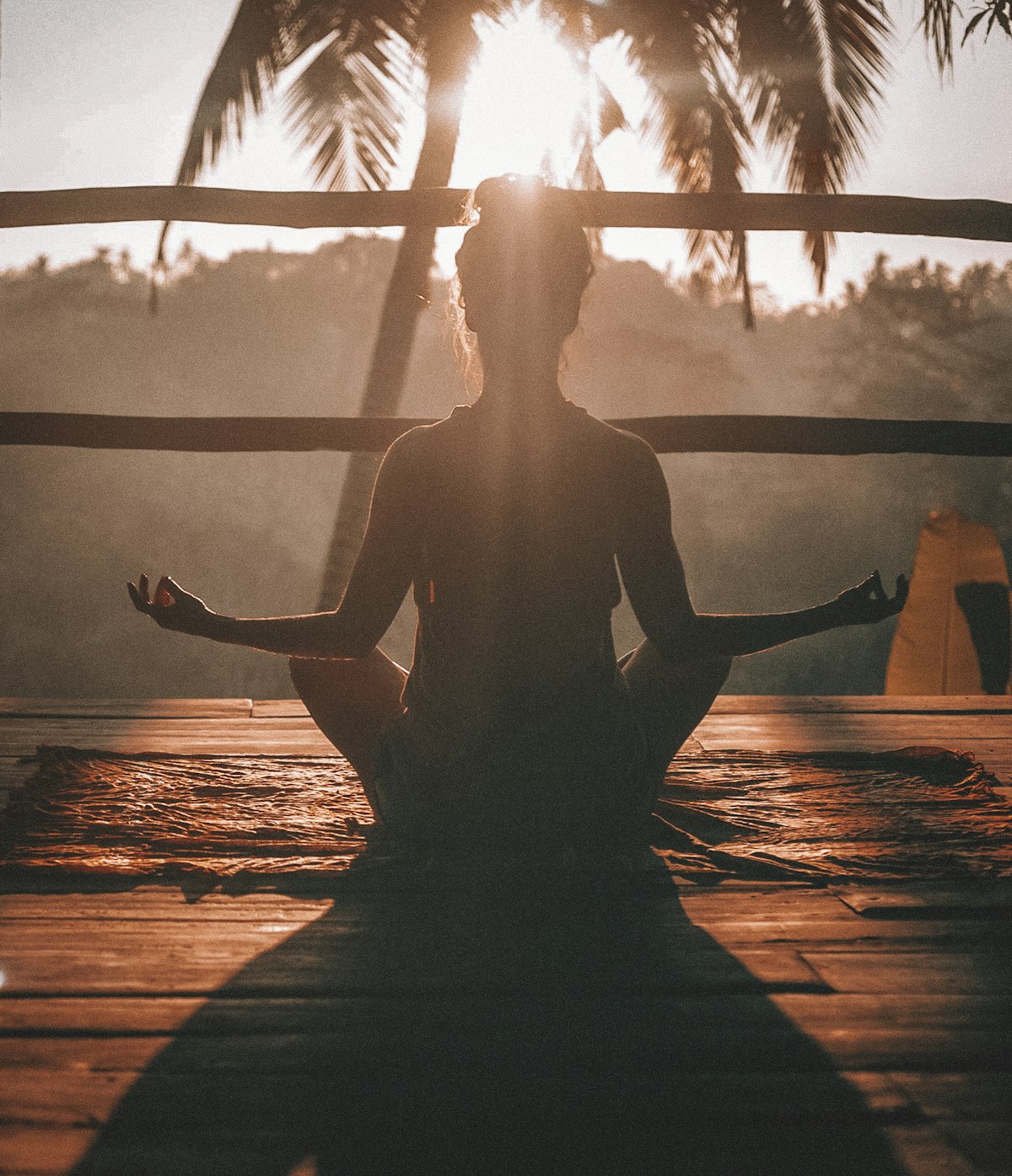
Yoga is an ancient practice originating in India, comprising a system of physical postures (asanas), breathing techniques (pranayama), and meditation. Modern yoga exercises as practised in the West are primarily based on Hatha yoga — a collection of physical poses held for several breaths, designed to build strength, flexibility, balance, and body awareness while simultaneously calming the nervous system. There are many yoga styles ranging from the gentle and restorative (Yin yoga, Hatha yoga) to the physically demanding (Ashtanga, Bikram, Power yoga) — making it adaptable to virtually every fitness level, age, and goal.
The Science Behind Yoga Exercises and Wellness
The research base for yoga exercises is substantial and growing. A 2017 review in the International Journal of Preventive Medicine analysed 17 studies and found consistent evidence that yoga practice reduces cortisol (the primary stress hormone), decreases anxiety and depression symptoms, and improves overall quality of life. Neuroimaging studies have shown that regular yoga and meditation increase grey matter density in the prefrontal cortex — the area of the brain responsible for emotional regulation, decision-making, and focus. For pain management, a Cochrane review found yoga modestly but consistently reduces chronic lower back pain and improves function. The vagus nerve — the primary component of the parasympathetic nervous system — is directly activated by yoga’s combination of slow breathing, physical extension, and mindful awareness, reducing the body’s stress response and improving heart rate variability.
💡 Did You Know? The combination of yoga exercises with controlled breathing (pranayama) activates the vagus nerve more effectively than either practice alone. The vagus nerve directly controls the parasympathetic “rest and digest” response — meaning yoga doesn’t just reduce stress psychologically, it physically switches off the body’s stress machinery.
8 Essential Yoga Exercises for Beginners
1. Mountain Pose (Tadasana)
The foundation of all standing yoga exercises — Mountain Pose teaches you to stand with intention, awareness, and balanced weight distribution. Stand with feet hip-width apart, spine tall, shoulders relaxed and away from the ears. Breathe deeply for 5–10 breaths. This seemingly simple pose builds postural awareness that carries into every other yoga exercise.
2. Downward-Facing Dog (Adho Mukha Svanasana)
Perhaps the most iconic yoga pose — Downward Dog stretches the hamstrings, calves, and spine while building shoulder and core strength simultaneously. From hands and knees, lift your hips to the ceiling, straightening the legs as much as your hamstrings allow (soft bent knees are fine). Press actively through both hands and lengthen your spine. Hold for 5–10 slow breaths.
3. Child’s Pose (Balasana)
Child’s Pose is both a rest pose and an active stretch. From kneeling, lower your hips toward your heels and extend your arms forward (or alongside your body for more shoulder opening). This pose gently stretches the lower back, hips, and thighs while calming the nervous system. Return here any time you need rest during a yoga exercise session.
4. Warrior I (Virabhadrasana I)
Warrior I builds leg strength, opens the hips and chest, and develops balance and focus. Step one foot back into a wide lunge with the front knee bent at 90°, raise both arms overhead, and gaze forward or slightly upward. Hold for 30–60 seconds each side. One of the most powerful standing yoga exercises for both strength and emotional resilience.
5. Triangle Pose (Trikonasana)
Triangle Pose stretches the sides of the body — the hip flexors, hamstrings, IT band, and thoracic spine — while building lateral stability. From a wide stance, extend one arm toward the floor (or a block) and the other toward the ceiling, creating a long diagonal line from hand to hand. Hold 30–45 seconds per side.
6. Bridge Pose (Setu Bandhasana)
Bridge Pose strengthens the glutes, hamstrings, and lower back while opening the hip flexors — a combination that directly addresses the postural imbalances of prolonged sitting. Lying on your back, feet hip-width apart near your hips, press through your feet to lift the hips toward the ceiling. Hold 30–60 seconds and repeat 3–5 times.
7. Seated Forward Fold (Paschimottanasana)
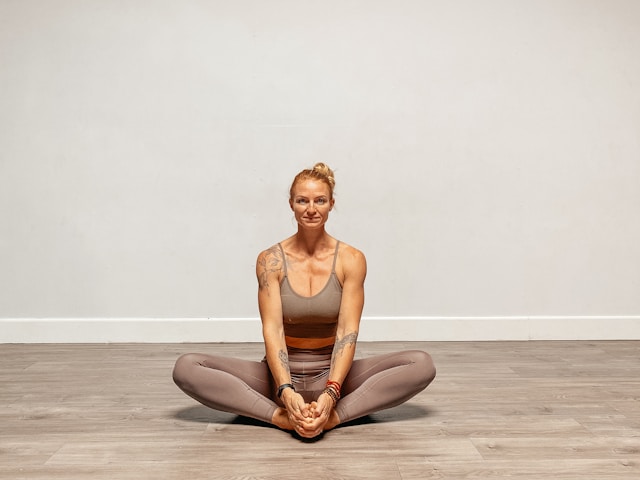
This calming forward fold stretches the entire back body — spine, hamstrings, and calves — while activating the parasympathetic nervous system. Sit with legs extended, hinge forward at the hips (not the waist), and reach toward your feet. The depth doesn’t matter — what matters is a long, flat spine and steady breathing. Hold 60–90 seconds.
8. Corpse Pose (Savasana)
The final yoga exercise — and perhaps the most underestimated. Savasana allows the nervous system to integrate all the work done during the session. Lie flat on your back, arms slightly away from the body, eyes closed. Consciously relax every muscle for 5–10 minutes. Skipping Savasana is like leaving a computer on without saving — the work of the session isn’t fully “locked in” without this integration period.
A 20-Minute Daily Yoga Exercise Routine
For a complete daily practice: begin with 1 minute of diaphragmatic breathing in a comfortable seat. Move through Cat-Cow (2 minutes) to warm the spine. Sun Salutation A x3 (6 minutes). Warrior I and II each side (4 minutes). Triangle Pose each side (2 minutes). Bridge Pose x3 (2 minutes). Seated Forward Fold (2 minutes). Savasana (3 minutes). This 20-minute sequence covers the major movement planes, activates the entire body, and ends with genuine nervous system downregulation — making it effective whether done in the morning to energise or in the evening to decompress.
Common Yoga Exercise Misconceptions
“You have to be flexible to do yoga.” This is the most common and most counterproductive misconception about yoga exercises. Flexibility is a result of yoga, not a prerequisite. Every pose has modifications and variations for every body — blocks, straps, bolsters, and chair modifications exist precisely to make yoga accessible regardless of current flexibility or mobility.
“Yoga isn’t a real workout.” Vigorous yoga styles like Ashtanga or Power yoga produce heart rates equivalent to moderate-intensity aerobic exercise, with significant strength demands. Even gentler practices produce measurable improvements in muscle endurance, balance, and functional fitness. The American College of Sports Medicine recognises yoga as a legitimate component of a comprehensive fitness program.
Building a Daily Yoga Exercise Habit
The most transformative yoga exercises are the ones done consistently — even briefly — rather than intensive sessions done sporadically. Aim for 10–20 minutes daily rather than one 90-minute session per week. Morning yoga sets the tone for the day with improved focus and reduced stress reactivity; evening yoga signals the nervous system to downregulate for better sleep. Use free resources like Yoga with Adriene on YouTube for guided sequences, or explore our Fitness and Wellness guides at Blooming Vitality. The Yoga Alliance and National Center for Complementary and Integrative Health provide excellent evidence-based guidance on yoga practice.
When to Seek Professional Guidance for Yoga Exercises
Most yoga exercises are safe for healthy adults to begin without professional guidance. However, consult a doctor before starting if you have recent back injury, joint replacements, osteoporosis, uncontrolled blood pressure, or are in the third trimester of pregnancy. A qualified yoga teacher (look for RYT-200 or RYT-500 registered instructors) can provide personalised modifications and ensure technique safety — particularly valuable when first learning yoga or managing specific health conditions.
🧘 Your yoga practice starts with one pose, one breath, one minute.
Roll out a mat or lay on the floor, take five deep breaths in Child’s Pose, and notice how you feel. That’s yoga. From there, you can build something that changes your body, calms your mind, and supports your health for a lifetime.
Disclaimer: Consult a qualified healthcare professional before beginning yoga if you have existing injuries or medical conditions. This article is for educational purposes only.