
💚 TL;DR — Collagen Peptides for Skin at a Glance
- Collagen peptides for skin have been shown in clinical studies to improve elasticity, reduce wrinkle depth, and increase hydration.
- Your body’s collagen production drops by roughly 1% per year from your mid-20s — supplementation can help offset this decline.
- Hydrolysed collagen peptides are broken down for superior absorption — look for “hydrolysed” or “collagen hydrolysate” on labels.
- Most skin improvements are measurable within 8–12 weeks of daily supplementation at 5–10g per day.
Collagen peptides for skin were the first supplement I became truly evangelical about — and I’m naturally suspicious of beauty industry claims. It started when I noticed a dullness creeping into my skin in my early thirties that no topical product seemed to address. A dermatologist friend suggested I try collagen peptides for three months. Three months later, a stranger commented on my skin. That was my conversion moment. Here’s what’s actually going on beneath the surface.
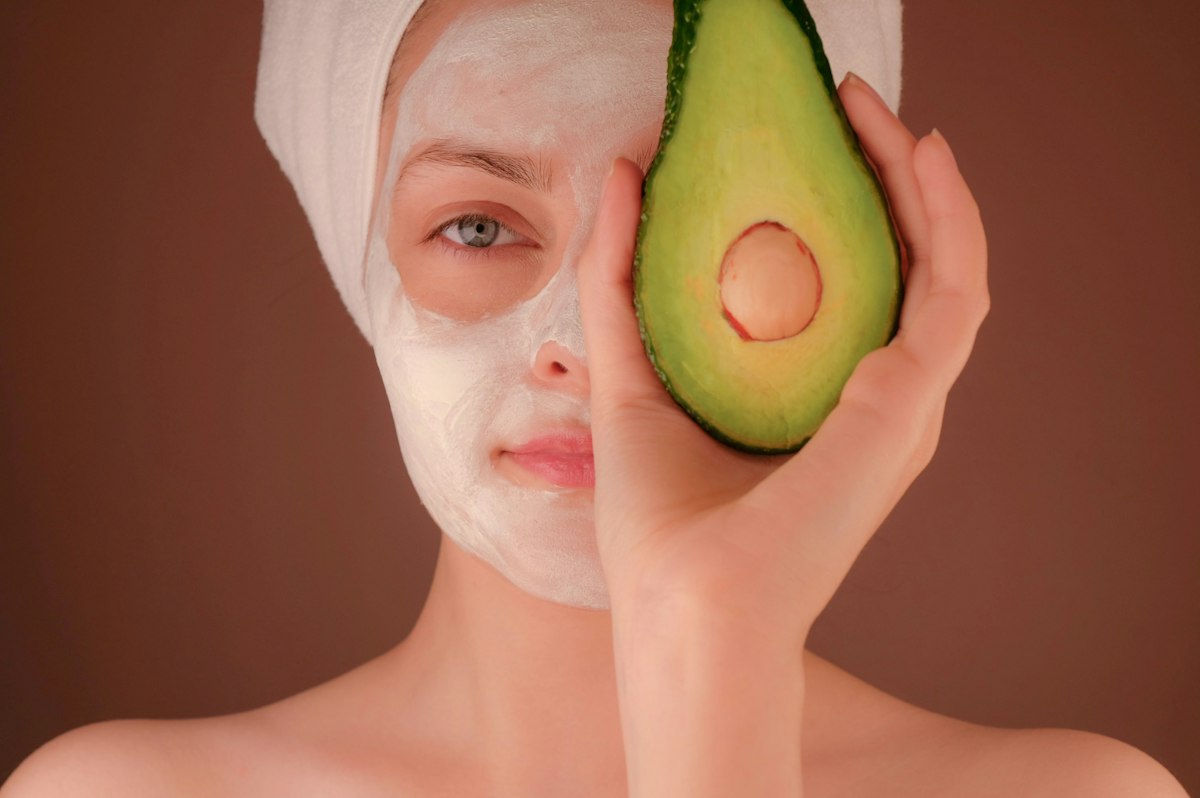
What Are Collagen Peptides for Skin?
Collagen is the most abundant protein in the human body, making up roughly 75% of the dry weight of your skin. It forms a scaffolding structure that gives skin its firmness, elasticity, and ability to bounce back. Collagen peptides — also called hydrolysed collagen or collagen hydrolysate — are collagen that has been broken down into smaller chains of amino acids (primarily glycine, proline, and hydroxyproline), making them easily absorbed through the gut wall and transported into the bloodstream.
Unlike whole collagen protein, which is too large to be absorbed intact, these smaller peptides circulate in your blood and reach the fibroblast cells in your dermis — the layer of skin responsible for collagen and elastin production. This is why collagen peptides for skin actually work, when simply eating more protein or applying topical collagen creams doesn’t produce the same result.
The Science Behind Collagen Peptides for Skin
The clinical evidence for collagen peptides for skin is more robust than most people expect. A 2014 randomised, double-blind, placebo-controlled study published in Skin Pharmacology and Physiology found that women who took 2.5g of specific collagen peptides daily for 8 weeks showed a statistically significant reduction in eye wrinkle volume compared to placebo. A 2019 systematic review of 11 RCTs concluded that oral collagen supplements improved skin hydration, elasticity, and collagen density consistently across studies.
The mechanism is elegant: hydrolysed collagen peptides are recognised by fibroblasts as a signal that collagen is being broken down — prompting the skin to increase its own collagen synthesis in response. It’s a biological feedback loop. The peptides don’t simply “become” skin collagen — they trigger the skin to make more of its own. This is why dose and consistency matter enormously.
6 Collagen Peptides for Skin Benefits
1. Reduced Wrinkle Depth and Fine Lines
This is the most studied collagen peptide for skin benefits. Multiple RCTs show reductions in facial line volume of 15–20% after 8–12 weeks of supplementation. The improvements are particularly noted around the eyes and mouth — areas where collagen loss is typically first visible. These aren’t dramatic transformations, but they’re measurable, real, and cumulative.
2. Improved Skin Elasticity
Skin elasticity — the ability of skin to spring back after being pinched or stretched — is directly linked to collagen and elastin integrity. Collagen peptides for skin consistently improve elasticity scores in clinical measurements. Most users describe their skin as feeling “more resilient” or “plumper” — less saggy or deflated — after a consistent course of supplementation.
3. Enhanced Skin Hydration
Collagen contains a high proportion of glycine, which supports the skin’s ability to retain water. Many people report a visible improvement in skin dewiness and plumpness within the first 4–6 weeks of taking collagen peptides for skin — even before wrinkle changes become apparent. For those with chronically dry skin or conditions like eczema, this hydration benefit can be particularly welcome.
4. Stronger Nails and Hair
Collagen’s structural proteins extend beyond skin. The same amino acid profile that supports skin health also contributes to nail and hair strength. Studies show that collagen peptides for skin supplementation significantly reduce nail brittleness and breakage, and may reduce hair thinning by supporting the keratin structure of hair follicles. Many users report this as a welcome bonus.
5. Joint and Gut Health Support
Collagen isn’t just a skin protein — it’s the structural backbone of cartilage, tendons, and the intestinal lining. Many collagen peptides for skin users report reduced joint pain and improved flexibility as a pleasant side effect. Athletes in particular find this benefit meaningful for recovery and injury prevention.
6. Protection Against Photoageing
Emerging research suggests that collagen peptides for skin may offer some protection against UV-induced skin damage by supporting the skin’s structural repair mechanisms. This doesn’t replace sunscreen — nothing does —, but it complements sun protection as part of a comprehensive anti-ageing skin strategy.
💡 Did You Know? Collagen production begins declining from around age 25, losing roughly 1% per year. By the time you’re 40, you’ve lost approximately 15% of your skin’s collagen. By 60, up to 35%. Collagen peptides for skin work as a meaningful dietary strategy to slow and partially offset this decline.
My 12-Week Collagen Experiment
I approached my collagen trial with genuine scepticism. I’d been disappointed by too many “miracle” supplements to expect much. I chose a marine collagen peptide powder — type I collagen, which is skin-specific — at 10g daily, dissolved in my morning coffee. I kept a photo diary and tracked my skin with the same light and settings each week.
Weeks 1–4: nothing dramatic. Skin felt slightly more hydrated — but that could have been seasonal. Week 6: my nail technician asked what I’d changed, unprompted. She said my nails were noticeably stronger. Week 8: I compared my week-8 photo to my week-1 photo and found the crow’s feet around my eyes visibly reduced — not gone, but softened. Week 12: three people in one month asked if I’d had work done or changed skincare products. I’d changed nothing except the collagen. The results weren’t magical — but they were real and repeatable. I’ve continued since.
Common Collagen Peptides Misconceptions
“Topical collagen creams do the same thing.” They don’t. Collagen molecules in creams are too large to penetrate the dermis — they sit on the surface. Oral collagen peptides for skin work precisely because they are absorbed into the bloodstream and reach the dermis from inside.
“Eating protein is enough.” While dietary protein provides the amino acids your body uses to make collagen, the specific signalling effect of collagen-specific peptides (particularly hydroxyproline-containing dipeptides) on fibroblast activity isn’t replicated by general protein intake.
“All collagen is the same.” Different collagen types serve different functions. Type I collagen (from marine sources or bovine hide) is most relevant for skin. Type II (typically from chicken cartilage) targets joints. Marine collagen is often preferred for skin due to superior absorption and type I specificity.
Building Your Daily Collagen Peptides for Skin Routine
- Dose: 5–10g of hydrolysed collagen peptides daily. Most research uses 2.5–10g; higher doses within this range tend to produce faster results.
- Timing: Morning with vitamin C is ideal — vitamin C is essential for collagen synthesis (specifically as a cofactor for the enzymes proline hydroxylase and lysyl hydroxylase).
- Form: Powder dissolved in liquid is most versatile and tends to have better absorption than compressed tablets.
- Duration: Commit to at least 12 weeks for meaningful skin results. Many people continue indefinitely as a long-term nutritional strategy.
Combine with our guide to best supplements for gut health — a healthy gut lining (also collagen-dependent) ensures optimal absorption of your collagen peptides and all other nutrients.

When to Seek Professional Help
Collagen peptides for skin are extremely safe for most adults. If you have a fish allergy, marine collagen is contraindicated — choose bovine or chicken instead. If you follow a vegan diet, plant-based “collagen boosters” (vitamin C, glycine, proline — the amino acid building blocks) can support your body’s own collagen synthesis, though they don’t replicate the direct signalling effect of animal-derived peptides.
If skin changes are rapid, unusual, or accompanied by other symptoms, see a dermatologist. Sudden changes in skin texture, pigmentation, or new lesions should always be evaluated medically. The NHS skin conditions guide and peer-reviewed research on oral collagen supplementation both offer grounded context.
✨ Your Skin Will Thank You in 8 Weeks
Have you noticed a difference in collagen peptides? Share your experience in the comments — we genuinely read every one. And if this article helped, pass it on to a friend who’s been wondering whether collagen is worth it. The answer, as science increasingly shows, is yes.
👉 Read next: Best Supplements for Gut Health — because beautiful skin starts with great digestion