⚡ TL;DR
- A 21 day anti-inflammatory diet focuses on whole foods, healthy fats, and colourful plants to reduce chronic inflammation.
- Cut out sugar, refined carbs, seed oils, and processed foods for maximum impact.
- Most people notice improved energy, less bloating, and clearer skin within the first week.
- The plan works in three phases — eliminate, rebuild, and maintain.
The 21 day anti-inflammatory diet is one of the most evidence-backed approaches to resetting your health from the inside out. Chronic inflammation is now understood to be a root driver behind dozens of modern conditions — from fatigue and joint pain to autoimmune disease, hormonal imbalance, and brain fog. The good news? What you eat over just three weeks can dramatically shift your body’s inflammatory response.
What Is Chronic Inflammation?
Inflammation itself is not the enemy. Acute inflammation — the redness and swelling you get from a cut or infection — is your immune system doing its job brilliantly. The problem is chronic inflammation, a low-grade, persistent immune activation that smoulders in the background for months or years.
Chronic inflammation is linked to heart disease, type 2 diabetes, arthritis, depression, and even cancer. According to research from the National Institutes of Health, diet is one of the most powerful modulators of inflammatory markers in the body — more impactful than many pharmaceutical interventions when sustained over time.
Common signs of chronic inflammation include persistent fatigue, joint stiffness, bloating, skin problems like eczema or acne, frequent illness, brain fog, and unexplained weight gain. If several of these resonate with you, a 21 day anti-inflammatory diet could be genuinely transformative.
Anti-Inflammatory Foods to Eat
The foundation of any effective anti-inflammatory diet is abundance — filling your plate with foods that actively reduce inflammatory markers, rather than simply removing offenders. These are the foods to prioritise:
Fatty Fish
Salmon, sardines, mackerel, and anchovies are loaded with omega-3 fatty acids (EPA and DHA), which directly suppress inflammatory pathways. Aim for 3–4 servings per week. These are among the most potent anti-inflammatory foods available.
Leafy Greens and Cruciferous Vegetables
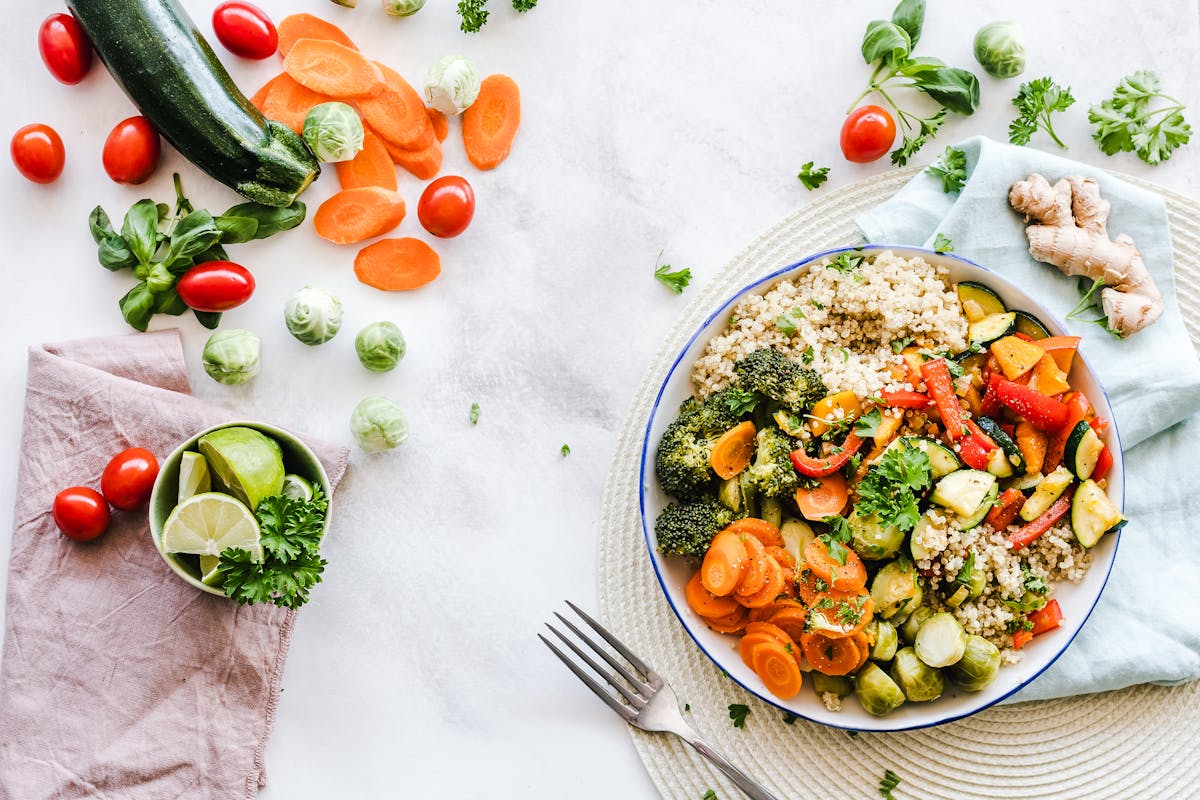
Spinach, kale, broccoli, bok choy, and Brussels sprouts contain sulforaphane and antioxidants that neutralise free radicals and reduce inflammatory cytokines. Eat them daily — raw, steamed, or lightly sautéed in olive oil.
Berries and Colourful Fruits
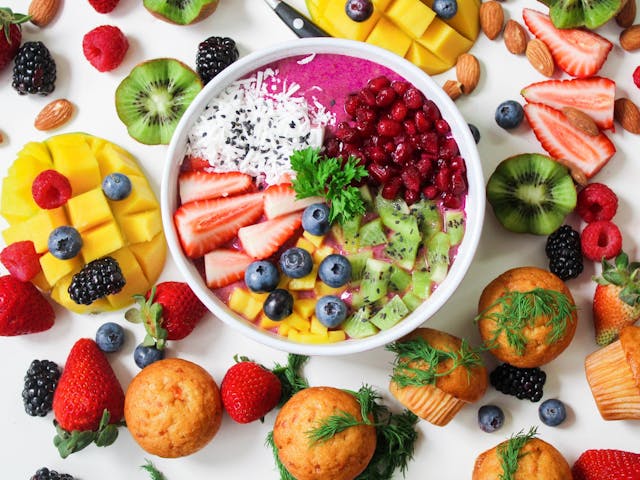
Blueberries, strawberries, cherries, and pomegranate are rich in anthocyanins — polyphenols that inhibit NF-κB, a key molecular switch for inflammation. A daily handful of mixed berries provides meaningful protection.
Extra Virgin Olive Oil
Oleocanthal, the active compound in quality olive oil, works similarly to ibuprofen as a natural COX inhibitor. Use it generously as your primary cooking fat and salad dressing throughout the 21 days.
Turmeric and Ginger
Curcumin in turmeric and gingerols in ginger are two of the most well-studied natural anti-inflammatories. Add turmeric with black pepper (which increases absorption by 2,000%) to meals daily. Use fresh ginger in smoothies, teas, and stir-fries.
Legumes, Nuts, and Seeds
Walnuts, flaxseeds, chia seeds, lentils, and chickpeas provide fibre, plant-based protein, and anti-inflammatory fats. Walnuts in particular are exceptionally high in ALA omega-3s.
💡 Did You Know? A 2021 review in Nutrients found that adherence to an anti-inflammatory dietary pattern for just 4 weeks significantly reduced CRP (C-reactive protein) — the primary blood marker of systemic inflammation — in adults with elevated baseline levels.
Foods to Avoid on the Anti-Inflammatory Diet
Elimination is equally important as addition. These foods actively promote inflammation and should be cut for the full 21 days:
- Added sugar and refined carbohydrates — white bread, pastries, sugary drinks, candy. Sugar directly triggers the release of inflammatory cytokines.
- Industrial seed oils — canola, sunflower, corn, soybean oils. These are high in omega-6 fatty acids that promote inflammation when consumed in excess.
- Ultra-processed foods — anything with ingredient lists containing emulsifiers, artificial flavours, or preservatives.
- Alcohol — even moderate consumption raises inflammatory markers in many people. Remove it entirely for 21 days.
- Gluten and dairy (optional) — for those with sensitivities, removing these can dramatically accelerate results. Consider eliminating both for the full 21 days as an experiment.
The 21 Day Anti-Inflammatory Diet Plan: Week by Week
Week 1 — Eliminate and Cleanse
The first week is about removing all inflammatory triggers from your diet while flooding your body with nutrient-dense whole foods. Expect some adjustment — mild headaches and cravings in days 2–4 are normal as your body detoxes from sugar and processed foods. Stay hydrated with water, herbal teas, and bone broth. Focus on: salmon or sardines twice, large salads daily, berries with breakfast, turmeric golden milk before bed.
Week 2 — Rebuild and Replenish
By week 2, most people notice improved energy and better digestion. This week, focus on diversity — eating 30+ different plant foods across the week to support the gut microbiome. Add fermented foods like sauerkraut, kimchi, or kefir (if tolerating dairy). Introduce anti-inflammatory herbs and spices into every meal. Your body is actively rebuilding its inflammatory response.
Week 3 — Optimise and Solidify
Week 3 is where the anti-inflammatory diet’s effects compound. Sleep typically improves, joint stiffness reduces, and mental clarity sharpens. This week, pay attention to how your body feels with specific foods — you’re gathering data for your long-term eating pattern. Begin planning which elements of the 21 day plan you will maintain permanently.
What to Expect During Your 21 Day Anti-Inflammatory Diet
Understanding the timeline of changes helps you stay committed when things feel challenging in the early days. Here’s what most people experience:
- Days 1–3: Possible headaches, cravings, and fatigue as sugar and processed food withdrawal kicks in.
- Days 4–7: Bloating reduces, energy begins to stabilise, sleep may improve.
- Week 2: Skin often clears, mood lifts, brain fog lightens, and digestion normalises.
- Week 3: Joint comfort improves, weight normalises, and energy is consistently higher.
Sustaining Results Beyond 21 Days
The 21 day anti-inflammatory diet is a reset, not a finite programme. The goal is to identify which foods serve your body and build a long-term eating pattern around them. Research consistently shows that Mediterranean-style and anti-inflammatory dietary patterns, maintained long-term, are among the strongest predictors of longevity and disease prevention according to Harvard’s T.H. Chan School of Public Health.
After your 21 days, reintroduce eliminated foods one at a time, every 3 days, watching for symptoms. This helps you identify personal inflammatory triggers — which vary significantly between individuals. Some people tolerate gluten perfectly; others find it a major driver of their symptoms.
When to Seek Professional Help
If you have an autoimmune condition, inflammatory bowel disease, or are managing chronic illness, always work with a registered dietitian or functional medicine practitioner before making significant dietary changes. An anti-inflammatory diet is supportive and complementary to medical care — not a replacement. For additional guidance on reducing inflammation naturally, explore our nutrition guides on Blooming Vitality.
🌿 Ready to Reset?
The 21 day anti-inflammatory diet isn’t about perfection — it’s about giving your body a genuine, sustained break from the foods that keep it inflamed. Three weeks of intentional eating can change how you feel for months. Start tomorrow. Your future self will thank you.