⚡ TL;DR
- Leaky gut (intestinal permeability) occurs when the tight junctions of the gut lining break down, allowing undigested food, bacteria, and toxins into the bloodstream.
- It’s a real, measurable biological phenomenon — not a wellness fad.
- Causes include poor diet, antibiotics, chronic stress, alcohol, and NSAIDs.
- Healing requires removing triggers, supporting digestive function, rebuilding the microbiome, and repairing the gut lining.
What is leaky gut, you ask? If you’ve spent any time in health and wellness spaces, you’ve almost certainly heard the term leaky gut — but what is it actually, and is it as significant as it’s made out to be? The answer is yes, and then some. While the term has been overused in some wellness circles in ways that overreach the evidence, the underlying science of intestinal permeability is one of the most significant developments in modern gastroenterology and immunology. This guide gives you the clear, honest picture.
What Is Leaky Gut?
Leaky gut is a colloquial term for increased intestinal permeability — a state in which the lining of the small intestine becomes more permeable than it should be, allowing substances to pass from the gut into the bloodstream that would normally be kept out. To understand leaky gut, you need to understand what a healthy gut lining does.
The intestinal lining is a single-cell-thick barrier that runs the entire length of the digestive tract — if you could spread it flat, it would cover a tennis court. This barrier performs two simultaneous jobs: selectively absorbing nutrients (amino acids, fatty acids, vitamins, minerals) while preventing the passage of bacteria, undigested food particles, and toxins. This selectivity is maintained by specialised proteins called tight junctions — literally molecular “zippers” between intestinal cells that open briefly to allow absorption and close to prevent unwanted passage.
In leaky gut, these tight junctions are damaged or loosened, and the barrier’s selectivity breaks down. Substances that should stay in the gut pass through — triggering immune responses, systemic inflammation, and effects that extend far beyond the digestive system.
The Science of Intestinal Permeability
The science of leaky gut centres on a protein called zonulin — discovered by gastroenterologist Dr Alessio Fasano at Harvard Medical School. Zonulin is the primary regulator of intestinal tight junctions: it modulates their opening and closing in response to signals from the gut environment. When zonulin is chronically elevated — triggered by gluten, dysbiotic bacteria, pathogens, or stress — tight junctions remain loosened, and intestinal permeability increases.
Research published in Clinical Reviews in Allergy and Immunology established that zonulin-mediated intestinal permeability is a genuine physiological pathway involved in the development of autoimmune diseases, metabolic conditions, and inflammatory disorders. Leaky gut is measurable through zonulin blood or stool testing, lactulose/mannitol ratio testing, and intestinal fatty acid binding protein (I-FABP) — all validated markers of gut permeability.
💡 Did You Know? Dr Alessio Fasano’s groundbreaking research showed that gluten — specifically gliadin, one of its protein components — triggers zonulin release in all humans, not just those with coeliac disease. This means gluten transiently increases intestinal permeability in everyone, though the magnitude and persistence of the effect varies greatly depending on genetic predisposition and gut health status.
What Causes Leaky Gut?
Diet
The modern Western diet is one of the most powerful drivers of leaky gut. Refined carbohydrates and sugar promote dysbiosis (bacterial imbalance) which disrupts the protective mucus layer. Industrial seed oils (canola, sunflower, soybean) are pro-inflammatory and damage enterocytes (intestinal cells). Gluten triggers zonulin release. Alcohol is directly toxic to tight junctions — even moderate consumption measurably increases gut permeability. Food additives including emulsifiers (polysorbate-80, carrageenan) used extensively in ultra-processed foods have been shown in research to disrupt the gut mucus layer and tight junctions.
Medications
NSAIDs (ibuprofen, aspirin, naproxen) directly damage the gut lining and are among the most well-established pharmaceutical causes of increased intestinal permeability — even with short-term use. Antibiotics disrupt the protective microbiome that maintains the mucus layer and tight junction integrity. Proton pump inhibitors (acid reflux medications) alter the gut environment in ways that promote dysbiosis over time.
Chronic Stress
The gut-brain connection means that psychological stress directly affects gut physiology. Chronic stress reduces protective mucus production, alters gut motility, disrupts the microbiome, and has been shown to increase intestinal permeability via corticotropin-releasing hormone (CRH) — the same stress signal that activates the HPA axis. This creates a bidirectional cycle: stress increases leaky gut, and leaky gut drives neuroinflammation that worsens stress sensitivity.
Dysbiosis
A disrupted gut microbiome — whether from antibiotics, poor diet, or chronic illness — reduces the production of short-chain fatty acids (particularly butyrate) that fuel and protect intestinal cells. Pathogenic bacteria and overgrowths of normally benign bacteria (like in SIBO) can produce toxins that directly damage the gut lining. The microbiome is the first line of defence of the gut barrier; when it’s compromised, so is the lining beneath it.
Health Conditions Linked to Leaky Gut
A growing body of research links increased intestinal permeability to a wide range of conditions. These include coeliac disease (the most studied example of gut permeability-driven autoimmunity), non-coeliac gluten sensitivity, Hashimoto’s thyroiditis and other autoimmune thyroid conditions, type 1 diabetes, multiple sclerosis, rheumatoid arthritis, inflammatory bowel disease (Crohn’s disease and ulcerative colitis), irritable bowel syndrome (IBS), non-alcoholic fatty liver disease (NAFLD), obesity and metabolic syndrome, depression and anxiety (via neuroinflammation through the gut-brain axis), eczema, psoriasis, and rosacea.
Crucially, as Dr Fasano’s research outlines in Clinical Gastroenterology and Hepatology, intestinal permeability often precedes the development of autoimmune disease — making it a potential early intervention point, not just a consequence of illness.
How to Heal Leaky Gut

The most widely used framework for leaky gut healing is the 4R Protocol, which addresses all layers of gut dysfunction systematically. First, Remove all inflammatory triggers — gluten, dairy, sugar, alcohol, seed oils, NSAIDs, and identified food sensitivities — for a minimum of 4–8 weeks. This stops ongoing damage to the gut lining and allows repair to begin.
Second, Replace digestive support if needed — betaine HCl for low stomach acid, digestive enzymes for compromised digestion, and bile salts if fat digestion is impaired. Low stomach acid is far more common than excess acid and is a frequently overlooked driver of dysbiosis.
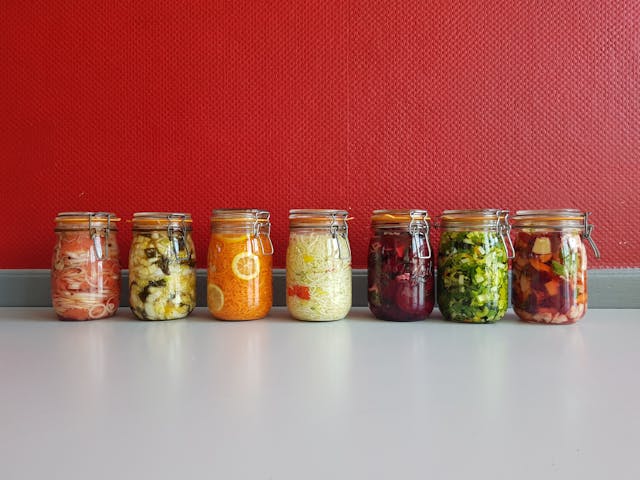
Third, Reinoculate with beneficial bacteria through a diverse diet of fermented foods (sauerkraut, kefir, kimchi, kombucha, miso) and a high-quality multi-strain probiotic. Focus on diversity — both in probiotic strains and in the range of prebiotic plant foods that feed them. The goal is a rich, diverse microbiome that can maintain the protective mucus layer and produce the butyrate the gut lining needs.
Fourth, Repair the gut lining with targeted nutrients. L-glutamine is the primary fuel for enterocytes and has clinical evidence for reducing intestinal permeability. Collagen and bone broth provide glycine and proline for tight junction repair. Zinc carnosine has specific evidence for gastric and intestinal lining repair. Quercetin stabilises tight junctions and acts as a mast cell stabiliser. Vitamin D regulates tight junction protein expression and is essential for gut barrier maintenance.
Common Leaky Gut Misconceptions
“Leaky gut is just a wellness trend”
The science of intestinal permeability is established and peer-reviewed. What’s contested is the breadth of conditions attributed to leaky gut in popular wellness culture — some claims overreach the evidence. The core mechanism, however, is not speculative. It’s published in the world’s leading medical journals and is actively researched by scientists at Harvard, Johns Hopkins, and the Mayo Clinic.
“You can test for leaky gut with a simple blood test”
There is no single perfect leaky gut test. Serum zonulin has significant variability due to cross-reactivity issues with current assays. The most reliable markers include stool zonulin, urinary lactulose/mannitol ratio, and intestinal fatty acid binding protein (I-FABP). A functional medicine doctor can order appropriate testing based on your symptoms and history.
When to Seek Professional Help
If you suspect leaky gut — particularly if you have autoimmune conditions, multiple food sensitivities, or symptoms that don’t respond to standard medical treatment — seek evaluation from a functional medicine doctor or gastroenterologist who is familiar with intestinal permeability testing and the 4R healing protocol. Self-directed dietary changes are a powerful first step, but professional guidance is important for complex presentations. Explore our comprehensive gut health nutrition guides on Blooming Vitality to support your healing journey.
🌿 Understanding Is the First Step to Healing
Leaky gut is real, it’s measurable, and — crucially — it’s reversible. The gut lining regenerates completely every 3–5 days when supported properly. With the right approach — removing triggers, feeding the microbiome, and nourishing the lining — meaningful healing is possible. You just need to know where to start.