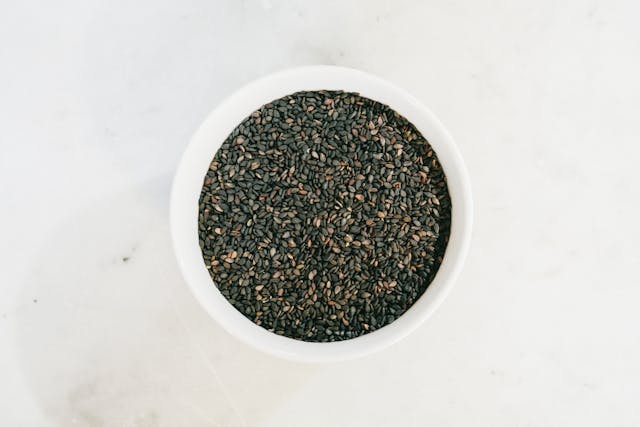
⚡ TL;DR — Black Seed Oil
- Black seed oil is extracted from Nigella sativa seeds — its primary active compound, thymoquinone, drives its anti-inflammatory, antimicrobial, antioxidant, and antidiabetic effects.
- A 2025 Wiley/PMC review confirmed antiviral, antibacterial, anti-inflammatory, anticancer, and antidiabetic properties — making it one of the most comprehensively studied herbal supplements.
- Typical safe dose: 1–2.5g of oil per day orally. Always consult a doctor before use, especially if pregnant, taking blood thinners, or before surgery.
- Available as oil, capsules, seeds, powder, and topical products — each form has different applications.
Black seed oil — pressed from the seeds of Nigella sativa — has been used medicinally for over 2,000 years across Middle Eastern, African, and South Asian traditions. Known in Islamic tradition as “a remedy for every illness except death,” it’s now among the most scientifically studied herbal supplements in the world. The key lies in thymoquinone, its primary bioactive compound, which modern research has linked to a remarkable range of health-relevant properties. This guide covers what the science actually shows, how to use it safely, and what to be realistic about.
What Is Black Seed Oil?
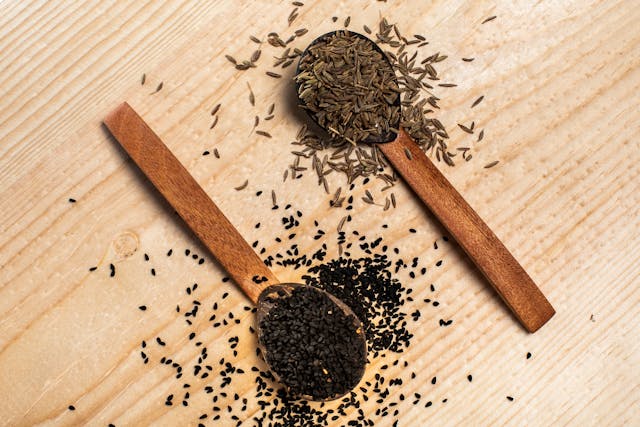
Black seed oil is extracted from the seeds of Nigella sativa, a flowering plant native to southwestern Asia and the Mediterranean. The seeds are sometimes called black cumin, black caraway, or kalonji — though they’re distinct from culinary cumin (Cuminum cyminum). The oil contains a complex mix of fatty acids, phytosterols, and powerful antioxidants, with thymoquinone as its most pharmacologically active constituent. According to the 2025 Wiley/Food Science & Nutrition review, thymoquinone exhibits antioxidant, anti-inflammatory, antibacterial, antiviral, and antidiabetic properties — making it one of the most bioactive natural compounds identified in modern herbal medicine research.
The Science Behind Black Seed Oil Benefits
Research into black seed oil has accelerated significantly. A comprehensive 2025 review published in Food Science & Nutrition (Wiley/PMC) examined multiple clinical and experimental studies, confirming its antiviral, antibacterial, anti-inflammatory, anticancer, and antidiabetic effects. A meta-analysis of randomised controlled trials found that Nigella sativa oil supplementation helped support immune health against seasonal challenges. Another meta-analysis found that N. sativa supplementation helped maintain healthy C-reactive protein (CRP) levels — a key inflammation marker. For blood pressure, a double-blind, placebo-controlled RCT published in Phytotherapy Research found significant reductions in both systolic and diastolic blood pressure after 8 weeks of daily supplementation.
💡 Did You Know? Thymoquinone — black seed oil’s primary bioactive compound — makes up roughly 30–48% of the volatile oil component of Nigella sativa seeds. Croatian scientists found that thymoquinone and thymohydroquinone together produced a 52% decrease in tumour cells in animal model studies — one of the reasons it’s under active investigation in oncology research.
6 Evidence-Backed Black Seed Oil Benefits
1. Anti-Inflammatory Properties
Black seed oil’s most studied benefit is its anti-inflammatory action. Thymoquinone inhibits the production of pro-inflammatory mediators including prostaglandins, leukotrienes, and cytokines. Meta-analyses consistently show reductions in CRP (C-reactive protein) and other inflammatory markers. This makes it relevant for conditions driven by chronic low-grade inflammation — including metabolic syndrome, cardiovascular risk, and respiratory conditions like asthma.
2. Immune System Support
Multiple RCT meta-analyses confirm that black seed oil supplementation supports healthy immune function. It enhances the activity of natural killer (NK) cells and T-lymphocytes, and its antioxidant content from thymoquinone helps protect immune cells from oxidative damage. The 2025 PMC review also confirmed antiviral activity — including thymoquinone’s ability to modify immune response and reduce viral-driven inflammation in the liver.
3. Blood Sugar and Metabolic Support
According to a 2021 medical review cited by Dr. Axe, numerous clinical and animal studies demonstrate anti-diabetic efficacy of black seed through multiple mechanisms — reducing fasting glucose, improving insulin sensitivity, and protecting pancreatic beta cells. A separate RCT in people with type 2 diabetes found significant decreases in total cholesterol and LDL cholesterol alongside blood pressure reductions. This metabolic profile makes it one of the more comprehensively studied natural supplements for cardiometabolic health.
4. Antimicrobial and Antifungal Activity
Research cited by Dr. Axe from Jawaharlal Nehru Medical College found black seed oil to be highly potent against certain superbugs — including multi-drug-resistant bacteria — outperforming several standard antibiotics in lab conditions. Its antimicrobial properties come from thymoquinone, which disrupts bacterial cell membranes and inhibits their metabolic processes. While these are laboratory findings and not a replacement for prescribed antibiotics in clinical infection, they support its traditional use for skin and digestive infections.
5. Antioxidant Protection
Thymoquinone is a potent antioxidant that neutralises free radicals and reduces oxidative stress throughout the body. According to Life Extension, the antioxidant effects of black seed oil — confirmed in the same meta-analysis showing CRP reductions — include protection of cells from oxidative damage. This underpins several of its other benefits, since oxidative stress is a driver of inflammation, cardiovascular disease, and accelerated ageing.
6. Respiratory Support
Black seed oil has a long traditional history in respiratory conditions — particularly asthma — and modern research is validating this. Its anti-inflammatory and bronchodilatory effects (thymoquinone relaxes smooth muscle in the airways) have been shown in clinical trials to reduce asthma symptom severity and improve lung function compared to placebo. WebMD lists asthma and hay fever as among the conditions for which black seed may be beneficial based on clinical evidence.
How to Take Black Seed Oil
The most evidence-supported method for taking black seed oil is orally. A typical dose range based on clinical trials is 1–2.5g of the oil daily (roughly ¼–½ teaspoon), taken with food to reduce any digestive discomfort. It’s available as raw oil (strongest flavour — bitter and pungent), capsules (easier to tolerate), and mixed into honey or warm water as used in traditional preparations. Topically, the oil can be applied to skin for eczema, acne, or psoriasis — always patch test first. The seeds themselves can be used as a culinary spice — lightly toasted and added to bread, curries, or salads.
Common Black Seed Oil Misconceptions
“It cures everything.” The Prophet Muhammad’s hadith that black seed is “a remedy for every illness except death” is spiritually significant but not a medical claim. While the research evidence is genuinely impressive, black seed oil is a supportive supplement — not a cure for cancer, diabetes, or serious infections. It should complement evidence-based medicine, not replace it.
“More is better.” Higher doses don’t linearly increase benefits, and at very high doses thymoquinone can be toxic in animal studies. Stick to clinically studied doses (1–2.5g/day) and don’t dramatically exceed them without medical supervision.
“It’s safe for everyone.” WebMD notes that pregnant women, people with bleeding disorders, and those scheduled for surgery should not use black seed products. It can also interact with certain medications including blood thinners and immunosuppressants.
Building a Black Seed Oil Routine
A practical black seed oil routine: start with ½ teaspoon (about 1g) daily with food and assess tolerance over 2 weeks. If well tolerated, increase to 1 teaspoon (2g) daily. Take with a meal or mixed into a smoothie to reduce the intense flavour. Capsule users: follow label dosing (typically 500mg–1g per capsule, 2 per day). Track any changes in relevant markers over 6–8 weeks. Always consult a doctor before starting if you have any existing health condition or take medications. For more evidence-based natural remedies, explore our Natural Remedies section. The WebMD black seed overview and the 2025 PMC comprehensive review are the most up-to-date evidence summaries available.
Safety, Side Effects & When to See a Doctor
At typical doses, black seed oil is well tolerated by most healthy adults. Possible side effects include nausea, digestive discomfort, and bloating — usually dose-dependent and reduced by taking with food. Topically, it can cause contact dermatitis in sensitive individuals — always patch test. Do not use during pregnancy (may stimulate uterine contractions). Avoid if you have a bleeding disorder or are within 2 weeks of surgery. Consult a doctor before use if you take blood thinners, diabetes medications, blood pressure medication, or immunosuppressants — thymoquinone can potentiate the effects of these drugs. If you’re exploring black seed oil for a specific health condition, work with a healthcare provider who can help you integrate it appropriately alongside evidence-based treatment.
🌿 Black seed oil earns its ancient reputation — with modern science to back it up.
Start with a low dose, take it with food, give it 6–8 weeks to assess benefit, and work with your doctor if you have any health conditions or take medication. Thymoquinone is one of nature’s most promising bioactive compounds — used wisely, it’s a genuinely powerful addition to a wellness toolkit.
Disclaimer: This article is for educational purposes only. Black seed oil is not a substitute for prescribed medical treatment. Consult a qualified healthcare professional before use, especially if pregnant, taking medications, or managing a health condition.