⚡ TL;DR — Key Takeaways
- Pink Himalayan salt contains over 84 trace minerals, including magnesium, potassium, calcium, and iron — making it more mineral-rich than regular table salt
- Its real strengths lie in electrolyte support, pH balance, gut health, and skin care — not miracle detox claims
- It is NOT iodized, so relying on it as your only salt can lead to iodine deficiency over time
- Used in moderation, a daily pinch of water or food can meaningfully support hydration, digestion, and muscle recovery
Pink Himalayan salt has gone from a niche health-store curiosity to a genuine wellness staple — and for good reason. Mined from the ancient Khewra Salt Mine in Pakistan’s Punjab region, this rose-colored crystal salt is one of the purest forms of sodium chloride on Earth, formed over 250 million years ago, long before modern pollution touched the oceans. Today, wellness communities, dietitians, and athletes are all talking about it — but the conversation deserves some nuance. Is pink Himalayan salt truly better for you than regular table salt? What does the science actually say? And how can you use it to support your health goals right now? This guide has the answers.

What Is Pink Himalayan Salt?
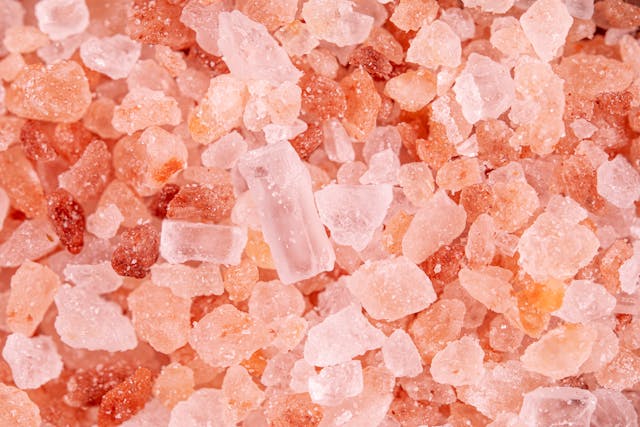
Pink Himalayan salt is a rock salt hand-mined from the Khewra Salt Mine, located about 190 miles from the Himalayan mountain range in Pakistan. It gets its distinctive pink-to-deep-rose color from trace amounts of iron oxide — the same compound that makes rust red. Unlike heavily processed table salt, which is refined, bleached, and typically mixed with anti-caking agents, pink Himalayan salt is minimally processed and retains a natural mineral profile of over 84 trace elements. These include common minerals like magnesium, potassium, and calcium, as well as lesser-known ones such as molybdenum, strontium, and selenium.
It is worth noting upfront that pink Himalayan salt is still approximately 97–99% sodium chloride — the same core compound as table salt. The trace minerals, while present, exist in very small quantities. As nutrition experts note, you would need an unrealistic amount of salt to meet daily mineral requirements from pink salt alone. That said, used thoughtfully as part of a well-rounded diet, it offers meaningful advantages over highly processed alternatives.
The Science Behind Pink Himalayan Salt Benefits
Much of the science around pink Himalayan salt centers on its role as an electrolyte source and its minimal processing compared to regular table salt. Sodium — the primary mineral in all salt — is essential for fluid balance, nerve transmission, muscle contraction, and stomach acid production. According to Dr. Axe’s nutritional analysis, adequate salt intake helps the body produce sufficient hydrochloric acid (HCL) in the stomach, which is critical for absorbing vitamins and minerals like calcium, zinc, iron, folate, and B12. Low stomach acid — often caused by inadequate sodium intake — is linked to heartburn, bloating, constipation, and nutrient deficiencies.
The additional trace minerals in pink Himalayan salt — particularly magnesium and potassium — support electrolyte balance in ways that plain sodium chloride cannot. Electrolytes are minerals that carry an electric charge and are vital for muscle contraction, nerve function, cellular hydration, and blood pressure regulation. This is why athletes and active individuals often reach for pink salt as a natural post-workout recovery addition to their water.
💡 Did You Know? The Khewra Salt Mine — source of all authentic pink Himalayan salt — is over 250 million years old, formed before human-era ocean pollution and microplastics even existed. It is one of the largest and oldest salt mines in the world, producing up to 400,000 tons of salt annually.
6 Pink Himalayan Salt Benefits You Can Actually Feel
Here’s where pink Himalayan salt genuinely shines — practical, evidence-informed benefits for your daily wellness routine.
1. Supports Natural Electrolyte Balance and Hydration
Hydration isn’t just about drinking water — it’s about maintaining the mineral balance that allows water to enter your cells. Pink Himalayan salt provides sodium, potassium, and magnesium, all of which work together to support cellular fluid balance and prevent dehydration-related fatigue. This is why a tiny pinch of pink Himalayan salt in your morning water or post-workout drink can feel more hydrating than plain water alone.
How to use it: Add ⅛ teaspoon of fine pink Himalayan salt to 8–16 oz of filtered water with a squeeze of lemon juice for a simple, natural electrolyte drink. This is ideal for daily maintenance, morning hydration, or light exercise recovery.
2. Promotes Healthy Digestion and Gut Function
Sodium chloride is one of the building blocks of stomach acid (HCL). Getting adequate dietary sodium from a clean, unprocessed source like pink Himalayan salt supports the body’s natural production of stomach acid, which in turn improves the breakdown of food and absorption of nutrients. People with low stomach acid often experience bloating, indigestion, and nutritional gaps — all conditions that benefit from optimizing dietary salt intake. [INTERNAL LINK: natural remedies for acid reflux]
Additionally, “Sole Water” — a diluted solution of Himalayan salt in water consumed on an empty stomach — is a traditional wellness practice believed to gently stimulate digestive function and support regular bowel movements. While robust clinical trials are limited, the practice aligns with the well-understood role of sodium in digestive physiology.
3. Supports Better Sleep Through Mineral Regulation
The magnesium content in pink Himalayan salt — even in trace amounts — contributes to nervous system relaxation, which is essential for quality sleep. Magnesium is widely known as a natural muscle relaxant and sleep-support mineral. Low magnesium levels are associated with restless sleep, night cramps, and difficulty falling asleep. While pink salt alone won’t replace a dedicated magnesium supplement, incorporating it into your daily diet adds a complementary source of this important mineral.
Some wellness practitioners also note that adequate sodium intake can help reduce nocturia — the need to wake up and urinate during the night — by helping the body retain fluid balance more effectively during sleep. This remains an emerging area of interest rather than established medicine, but the underlying electrolyte mechanism is well-supported.
4. Natural Skin Care and Detoxifying Body Scrub
Pink Himalayan salt has earned a loyal following in natural skin care for good reason. Its coarse crystals act as a gentle physical exfoliant, removing dead skin cells without the harsh abrasion of synthetic scrubs. The trace minerals — particularly magnesium, calcium, and potassium — nourish newly exposed skin, support the skin barrier, and help reduce puffiness and water retention. A warm Himalayan salt bath soak is a popular recommendation for people with eczema, tired muscles, or dry skin, as the mineral-rich water can penetrate the skin and promote relaxation.
How to use it: Add 1–2 cups of coarse pink Himalayan salt to a warm bath and soak for 20 minutes. For a body scrub, mix fine pink salt with coconut or jojoba oil and a few drops of your preferred essential oil.
5. pH Balance and Reduced Inflammation
An overly acidic internal environment is linked to chronic inflammation, reduced immunity, and long-term cellular stress. The alkaline-forming minerals in pink Himalayan salt — particularly magnesium, potassium, and calcium — may help buffer excess acidity and support a more balanced internal pH. While the body has robust systems for maintaining blood pH, supporting those systems through dietary minerals is a well-established nutritional principle. A diet rich in alkaline-supporting minerals is consistently associated with reduced inflammatory markers and better long-term health outcomes.
6. Respiratory Support Through Halotherapy
Halotherapy — the inhalation of fine salt particles — has been used for centuries in Eastern European salt caves as a natural remedy for respiratory conditions. Research suggests it may benefit people with mild asthma, seasonal allergies, and chronic nasal congestion by reducing mucus, killing bacteria, and clearing airway inflammation. Pink Himalayan salt inhalers are now widely available and bring this practice into daily home use. While more rigorous clinical research is needed, the antimicrobial and anti-inflammatory properties of salt vapor have solid mechanistic support in the scientific literature.