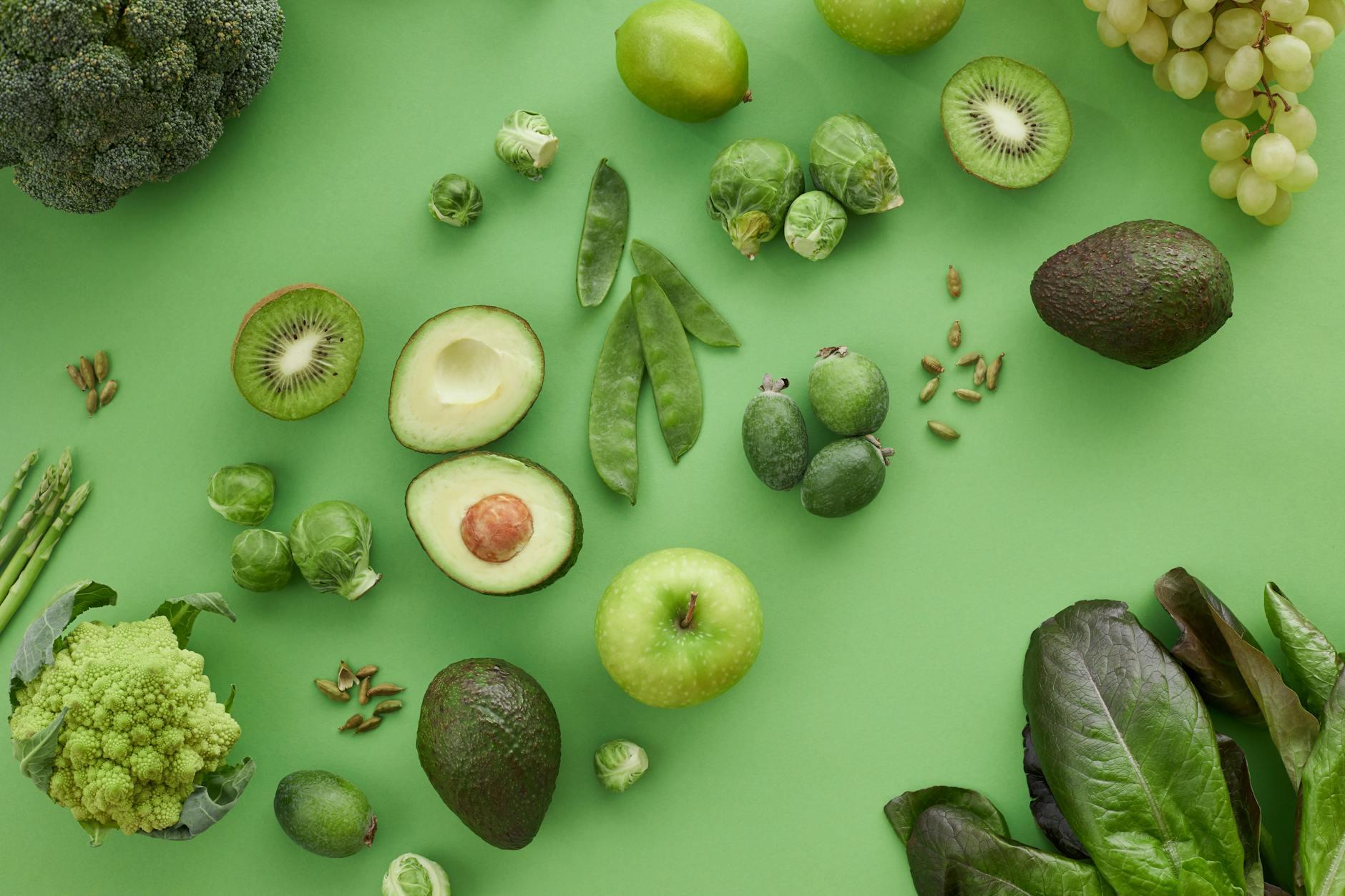
If you’ve been waking up exhausted, feeling anxious for no clear reason, or hitting a wall every afternoon around 3 PM — your body might be whispering (or shouting) that it needs more magnesium. Loading up on magnesium-rich foods has honestly been one of the simplest, most impactful changes I’ve made to my own wellness routine, and the difference it made to my sleep, mood, and energy was almost embarrassingly fast.
Magnesium is involved in over 300 enzymatic reactions in the body, according to the National Institutes of Health. It helps regulate your nervous system, supports muscle recovery, balances blood sugar, and plays a starring role in the production of serotonin and melatonin. Yet research published in Nutrients (2018) suggests that nearly half of Americans don’t get enough of it. Let’s change that — starting with your plate.
Why Magnesium Deficiency Is More Common Than You Think
Here’s the thing — magnesium deficiency symptoms are incredibly easy to brush off as “just stress” or “just getting older.” But there’s often something deeper going on.
Some of the most common signs your magnesium levels might be low include:
- Trouble falling or staying asleep
- Muscle cramps or twitching (especially at night)
- Anxiety, irritability, or low mood
- Fatigue that doesn’t go away with rest
- Headaches or migraines
- Brain fog or difficulty concentrating
- Constipation or digestive discomfort
Processed foods, chronic stress, alcohol, and even certain medications can deplete your magnesium stores faster than you’d expect. The good news? Food is a powerful, delicious place to start rebuilding those levels.
10 Magnesium-Rich Foods to Add to Your Plate Right Now
I want to be real with you — these aren’t exotic superfoods you’ll struggle to find. Most of these are probably already in your kitchen or at your nearest grocery store. Here’s the lineup:
| Food | Serving Size | Magnesium (mg) | % Daily Value |
|---|---|---|---|
| Pumpkin Seeds | 1 oz (28g) | 168 mg | 40% |
| Spinach (cooked) | 1 cup | 157 mg | 37% |
| Black Beans (cooked) | 1 cup | 120 mg | 29% |
| Quinoa (cooked) | 1 cup | 118 mg | 28% |
| Almonds | 1 oz (28g) | 80 mg | 19% |
| Dark Chocolate (70–85%) | 1 oz (28g) | 64 mg | 15% |
| Avocado | 1 medium | 58 mg | 14% |
| Salmon (cooked) | ½ fillet | 53 mg | 13% |
| Tofu (firm) | ½ cup | 37 mg | 9% |
| Banana | 1 medium | 32 mg | 8% |
Source: NIH Office of Dietary Supplements. % DV based on 420mg RDA for adult men.
1. Dark Leafy Greens (Especially Spinach)
Spinach is a genuine magnesium powerhouse. Just one cup of cooked spinach delivers around 157mg of magnesium — that’s nearly 40% of the recommended daily intake. I toss it into smoothies, sauté it with garlic, or pile it into grain bowls without even thinking twice anymore.
Swiss chard and kale are excellent runners-up. Going green has never been more worthwhile.
2. Pumpkin Seeds
I keep a little jar of pumpkin seeds on my desk and honestly, it’s one of my smartest habits. A one-ounce serving packs a jaw-dropping 168mg of magnesium — the NIH lists pumpkin seeds as one of the richest dietary sources available. That’s more than almost any other food per gram.
Sprinkle them on salads, blend them into sauces, or just eat them as a snack. They’re also rich in zinc and healthy fats, making them a triple win.
3. Dark Chocolate
Yes, really. This is the wellness news everyone loves to hear. A 1-ounce serving of 70–85% dark chocolate contains around 64mg of magnesium, plus antioxidants that support heart health. This is one of those magnesium benefits for health that never gets old to talk about.
Look for chocolate with at least 70% cacao, and enjoy a square or two in the afternoon when that energy dip hits. You’re welcome.
4. Avocados
Avocados are beloved for their healthy fats, but they’re also a solid source of magnesium — about 58mg per medium avocado. They also deliver potassium and B vitamins, which work synergistically with magnesium to support energy metabolism.
Guacamole, avocado toast, sliced on tacos — does this even feel like healthy eating? It shouldn’t, but it is.
5. Legumes (Black Beans, Lentils, Chickpeas)
Legumes are among the most underrated foods high in magnesium — and they’re incredibly budget-friendly too. Black beans offer about 120mg per cooked cup, while lentils and chickpeas aren’t far behind.
They’re also loaded with fiber and plant-based protein, which helps stabilize blood sugar and keep your energy steady throughout the day. Hello, no more 3 PM crash.
6. Almonds
A small handful of almonds (about one ounce) gives you roughly 80mg of magnesium along with vitamin E and healthy fats. They’re my go-to road trip snack, pre-workout fuel, and late-night craving fix all rolled into one.
Almond butter counts too, in case you needed permission to eat it by the spoonful.
7. Quinoa
Quinoa is one of those foods that earns its hype. One cooked cup contains around 118mg of magnesium and it’s a complete protein, meaning it has all nine essential amino acids. It’s also gluten-free, which makes it a great base for anyone sensitive to wheat.
I use it as a rice substitute, breakfast porridge, or cold in grain salads. It’s endlessly versatile and genuinely filling.
8. Fatty Fish (Salmon, Mackerel)
Beyond being omega-3 superstars, fatty fish like salmon and mackerel are solid sources of magnesium. A half-fillet of salmon can deliver around 53mg, along with vitamin D and B12 — both of which are deeply connected to mood and energy regulation.
Pair salmon with a side of sautéed spinach and you’ve basically built yourself a magnesium mega-meal.
9. Bananas
Everyone knows bananas for potassium, but they’re also a reliable source of magnesium — about 32mg per medium banana. They’re quick, convenient, and naturally sweet without needing anything added.
Slice one over oatmeal, blend it into a smoothie, or eat it with almond butter for a snack that genuinely supports your energy levels rather than spiking and crashing your blood sugar.
10. Tofu
Tofu might not be the first food that comes to mind when you think about magnesium-rich foods, but half a cup of firm tofu contains around 37mg of magnesium along with calcium and plant-based protein. It’s also one of the most versatile ingredients in the kitchen once you learn how to cook it properly.
Pan-fry it until crispy, crumble it into scrambles, or cube it into stir-fries — tofu adapts to almost any flavor profile you throw at it.
Practical Tips to Actually Boost Your Magnesium Intake
Knowing which foods are high in magnesium is the first step, but actually building them into your daily life is where the magic happens. Here are some of the simple strategies that have worked really well for me:
- Start your day with intention. Add a handful of spinach to your morning smoothie. You won’t taste it, I promise — especially if you blend it with banana and almond butter.
- Snack smarter. Swap chips or crackers for pumpkin seeds, almonds, or a square of dark chocolate. Your nervous system will thank you.
- Build a magnesium-rich dinner plate. Aim to have at least two magnesium-rich ingredients on your plate at dinner. Think salmon + sautéed spinach + quinoa. That’s a triple dose.
- Reduce the magnesium thieves. Alcohol, excess caffeine, and ultra-processed foods all deplete magnesium. You don’t have to give them up entirely — just be mindful of balance.
- Consider your cooking methods. Boiling vegetables can leach magnesium into the water. Try steaming, sautéing, or roasting to retain more nutrients.
- Be consistent, not perfect. You don’t need to eat all ten of these foods every single day. Focus on rotating through them throughout the week and building sustainable habits over time.
How These Magnesium Benefits for Health Show Up in Real Life
I want to paint a picture of what improving your magnesium intake can actually feel like — because it’s more than just numbers on a nutrition label.
Within a few weeks of intentionally eating more magnesium-rich foods, many people report falling asleep faster and waking up feeling genuinely rested. The muscle cramps that were disrupting their nights start to ease up. The anxious, wired-but-tired feeling that was hanging around starts to lift. A 2012 randomised controlled trial in Magnesium Research found that magnesium supplementation significantly improved sleep quality in older adults with insomnia.
Mood stability is a big one too. Magnesium plays a direct role in regulating cortisol (your stress hormone) and supporting serotonin production. A 2017 systematic review in Nutrients found consistent evidence linking magnesium intake with reduced symptoms of anxiety and depression. When your levels are where they need to be, the world just feels a little less overwhelming.
Energy becomes more consistent — not a spike-and-crash cycle, but a steady, reliable hum throughout the day. That’s the kind of energy that actually feels good to live in.
If you’re looking to go beyond food and explore supplementation, our deep-dive on magnesium glycinate for sleep covers the science-backed case for one of the most bioavailable forms available.
Feed Your Body What It’s Been Asking For
Here’s what I want you to take away from all of this: your body is incredibly smart, and when something is off, it finds ways to tell you. Fatigue, anxiety, poor sleep, and low mood are not just things to white-knuckle through — they’re often signs that your body needs support. And sometimes that support starts with something as beautifully simple as eating more magnesium-rich foods.
You don’t need a complete diet overhaul. Just start adding more pumpkin seeds to your snacks, more spinach to your meals, and a square of good dark chocolate when the afternoon hits. Small, consistent shifts add up to something truly transformative over time.
Want to track your magnesium intake?
Bookmark this guide and share it with someone who might be running low. Then explore our full guide to magnesium glycinate for sleep — the supplement form many nutritionists recommend when diet alone isn’t enough.
Frequently Asked Questions
How much magnesium do I need per day?
The recommended daily allowance is 310–320mg for adult women and 400–420mg for adult men, according to the NIH Office of Dietary Supplements. Many people fall short of these targets, especially those who eat processed diets or experience chronic stress.
What are the best magnesium-rich foods for sleep?
Pumpkin seeds, almonds, spinach, and dark chocolate are excellent choices. Magnesium supports the production of melatonin and GABA, two compounds essential for falling asleep and staying asleep. Eating magnesium-rich foods at dinner or as an evening snack may support better sleep quality.
Can I get enough magnesium from food alone?
Yes, for most healthy adults, a varied whole-food diet rich in the foods listed above can meet daily magnesium needs. If you suspect deficiency or have absorption issues, speak to your doctor about testing and supplementation options.
What depletes magnesium in the body?
Alcohol, excess caffeine, refined sugar, intense physical stress, certain medications (including proton pump inhibitors and diuretics), and chronic emotional stress all deplete magnesium. Boiling vegetables can also leach magnesium into the water, so steaming or roasting is preferable.
Is magnesium good for anxiety?
Research supports a link between magnesium deficiency and anxiety symptoms. A 2017 systematic review in Nutrients found that magnesium supplementation was associated with reduced anxiety, particularly in mildly anxious individuals. Magnesium regulates the HPA axis and supports GABA production, both of which play a role in calming the nervous system.