
💚 TL;DR — Rhodiola Rosea Benefits at a Glance
- Rhodiola rosea benefits include reduced mental and physical fatigue, improved stress resilience, and enhanced cognitive performance.
- It’s one of the most studied adaptogens for burnout, with particular efficacy for stress-induced exhaustion and “tired but wired” states.
- Look for extracts standardised to 3% rosavins and 1% salidroside — the key active compounds responsible for its effects.
- Unlike many adaptogens, rhodiola rosea benefits can be felt within hours to days — not just weeks — making it particularly popular for acute stress situations.
Rhodiola rosea benefits quietly transformed my relationship with demanding seasons of work, and I suspect I’m not alone. This high-altitude adaptogen — used for centuries by Scandinavian and Russian cultures to combat fatigue in harsh conditions — has become one of my most reliable tools for maintaining mental clarity and physical resilience during periods I’d previously described as “burning out.” What’s remarkable is how quickly it works, and how well the science supports the experience.

What Is Rhodiola Rosea?
Rhodiola rosea — also known as Arctic root, golden root, or roseroot — is a flowering plant that grows in cold, high-altitude regions across Siberia, Scandinavia, and the Arctic. Its thick root contains over 140 active compounds, but the most pharmacologically significant are rosavins (a class of phenylpropenoids specific to R. rosea) and salidroside (a glucoside with potent antioxidant and anti-fatigue properties). High-quality rhodiola rosea benefits supplementation requires both compounds in the right ratio.
Rhodiola has been used medicinally for over 3,000 years — ancient Greeks wrote about it, Viking warriors reportedly used it to endure harsh conditions, and Soviet researchers studied it extensively in the 1960s and 70s as part of a government programme to enhance the performance of athletes, soldiers, and cosmonauts. That Cold War research interest generated much of the foundational science we still build on today.
The Science Behind Rhodiola Rosea Benefits
Rhodiola rosea benefits are mediated through multiple pathways. Its primary mechanism involves modulation of the HPA axis and sympatho-adrenal system — reducing the excessive cortisol and adrenaline secretion that characterises chronic stress and burnout. In parallel, rosavins and salidroside protect mitochondria from oxidative stress, help maintain ATP (cellular energy) production under demanding conditions, and influence serotonin, dopamine, and norepinephrine availability in the brain.
A 2009 randomised, double-blind, placebo-controlled study published in Phytomedicine found that 576mg of rhodiola rosea extract daily for 4 weeks significantly reduced burnout symptoms in physicians working night shifts — a high-stress, sleep-deprived population. Participants showed improvements in mental fatigue, situational anxiety, and overall well-being. Crucially, the effects emerged within the first week — notably faster than most adaptogens.
6 Rhodiola Rosea Benefits for Energy and Wellbeing
1. Rapid Reduction in Mental Fatigue
One of the most celebrated rhodiola rosea benefits is its speed of action for mental fatigue. Unlike ashwagandha (which takes weeks to build), rhodiola rosea’s effects on cognitive energy can be measurable within hours of a single dose. Research on students during exam periods shows improved mental performance, faster reaction time, and reduced feelings of exhaustion after just a few days of supplementation.
2. Physical Endurance and Exercise Performance
Rhodiola rosea benefits extend meaningfully into physical performance. Studies in athletes show improved endurance, faster lactate clearance, and reduced perceived exertion. The mechanism appears to involve enhanced mitochondrial efficiency and better oxygen utilisation in muscle cells. For non-athletes, this translates as feeling less wiped out after physical demands — the long walk, the active holiday, the first week back at the gym.
3. Burnout Prevention and Recovery
Burnout — clinically characterised by exhaustion, cynicism, and reduced efficacy — is one of the primary conditions for which rhodiola rosea has direct clinical evidence. A 2012 pilot study published in the Journal of Alternative and Complementary Medicine found that 12 weeks of rhodiola rosea supplementation produced meaningful improvements in burnout measures, including emotional exhaustion and depersonalisation.
4. Mood Stabilisation and Mild Anti-Depressant Effects
Among rhodiola rosea benefits, its mood-supporting effects are increasingly well-documented. Salidroside influences serotonin and dopamine signalling in ways that may explain the mild antidepressant effects observed in research. A study comparing rhodiola to sertraline (a common SSRI) found rhodiola to be less potent but with significantly fewer side effects — making it potentially suitable for mild-to-moderate depressive symptoms alongside professional supervision.
5. Cognitive Clarity Under Pressure
Rhodiola rosea benefits for cognition are particularly notable in high-pressure contexts — exams, deadlines, presentations, or any situation requiring sustained concentration. It appears to maintain working memory, processing speed, and attentional capacity under conditions of stress-induced cognitive load. This is distinct from a stimulant effect — it doesn’t sharpen focus artificially but rather protects against stress-mediated cognitive impairment.
6. Cardiovascular Stress Protection
Chronic psychological stress places significant strain on the cardiovascular system — elevated cortisol raises blood pressure, increases heart rate variability dysfunction, and promotes arterial inflammation. Rhodiola rosea benefits include direct cardioprotective effects: research shows it can reduce stress-induced arrhythmias and protect heart tissue from ischaemia in animal models, with early human data suggesting similar effects.
💡 Did You Know? During Soviet-era research, rhodiola rosea was classified as a “state secret” — its performance-enhancing properties were considered so significant that research was kept classified for decades. It only became widely known in the West after the fall of the Soviet Union, when the studies were finally published.
When Rhodiola Rosea Saved My Burnout Season
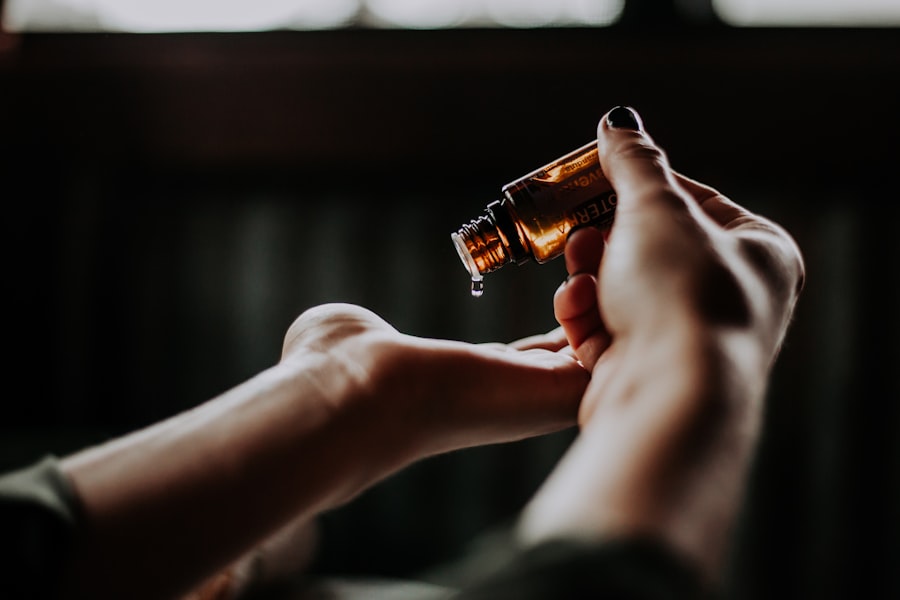
There was a particular quarter two years ago — product launch, team restructure, young children at home — where I felt myself moving through treacle. Not depressed, exactly, but depleted in a way that felt structural. Everything took twice the effort for half the result. Sleep helped, but never quite restored me. I started rhodiola rosea at 400mg in the morning, on an empty stomach, about 30 minutes before coffee.
Day three: I noticed I was sustaining attention through longer meetings without the mental drift I’d become used to. Day seven: the feeling of physical heaviness that had settled into my limbs was noticeably reduced. Week four: A colleague who knew what I was going through said I seemed “more like myself.” I’d also noticed a shift in my stress response — things that would have triggered disproportionate irritability or anxiety felt more proportionate, more manageable. I cycled off after 10 weeks, took a four-week break, and started again when demand intensified. It remains in my toolkit alongside ashwagandha, with rhodiola for acute high-demand periods and ashwagandha for longer-term background stress management.
Common Rhodiola Rosea Misconceptions
“Rhodiola is just another energy supplement.” It’s fundamentally different from caffeine or other stimulants. Rather than forcing the nervous system into a higher gear, rhodiola rosea benefits arise from supporting the body’s own stress regulation mechanisms — producing energy that is sustainable and stress-resistant, not borrowed from tomorrow.
“Any rhodiola product is fine.” The standardisation matters enormously. Only R. rosea (not other Rhodiola species) contains rosavins. Look for products standardised to 3% rosavins and 1% salidroside. Cheaper products may contain R. crenulata or unstandardised material with minimal active content.
“Rhodiola and ashwagandha do the same thing — I only need one.” They’re complementary rather than interchangeable. Rhodiola is more stimulating and faster-acting — better suited for acute stress and fatigue. Ashwagandha is more calming and cumulative — better for long-term cortisol management. Many practitioners recommend using both, but alternating their primary roles.
Building Your Daily Rhodiola Rosea Routine
- Dose: 200–600mg of standardised extract daily. Most research uses 300–400mg. Start lower and increase if needed.
- Timing: Morning or early afternoon, on an empty stomach if possible. Avoid taking close to bedtime — unlike ashwagandha, rhodiola rosea’s mild stimulating properties can affect sleep if taken late.
- Cycling: 8–12 weeks on, 2–4 weeks off. Some people use it only during demanding periods rather than continuously.
- Stack with: Magnesium glycinate in the evening for sleep support; l-theanine with morning coffee for enhanced cognitive focus.
For broader adaptogen guidance, see our complete guide on natural stress relief supplements — rhodiola fits into a layered strategy alongside ashwagandha, magnesium, and l-theanine.
When to Seek Professional Help
Rhodiola rosea is generally well-tolerated, but avoid it if you’re pregnant, breastfeeding, or have bipolar disorder (its mild stimulating effects may precipitate hypomania in susceptible individuals). It may interact with stimulant medications and some antidepressants through its influence on monoamine neurotransmitter systems.
If you’re experiencing persistent burnout, chronic fatigue, or symptoms of depression, rhodiola rosea can be a supportive tool — but professional assessment is essential. Burnout that doesn’t resolve with rest, self-care, and supplementation may indicate underlying conditions (hypothyroidism, anaemia, sleep apnea, depression) requiring diagnosis and treatment. The NHS mental health guidance on stress is a useful starting point for understanding when stress has crossed into clinical territory requiring professional support.
⚡ Could Rhodiola Rosea Be Your Fatigue Game-Changer?
Have you experienced rhodiola rosea benefits firsthand? Tell us your story in the comments — when you started, what you noticed, and how long it took. These experiences help our community enormously. And if someone you know is running on empty, share this article — they’ll be glad you did.
👉 Read next: Ashwagandha for Stress and Anxiety — the perfect complement to rhodiola rosea