💚 TL;DR
- An itchy rash inner thigh is usually caused by chafing, a fungal infection (jock itch), heat rash, contact dermatitis, or eczema — all of which are treatable at home or with over-the-counter remedies.
- The inner thigh is especially prone to rashes because it is a warm, moist area where skin rubs together — making it the ideal environment for friction, fungal growth, and bacterial irritation.
- Most itchy rash inner thigh cases resolve within a week with the right treatment: keeping the area clean and dry, using antifungal creams for fungal causes, or applying hydrocortisone for inflammation.
- See a doctor if the itchy rash on your inner thigh persists beyond one week, is spreading rapidly, or is accompanied by fever, pus, or intense pain.
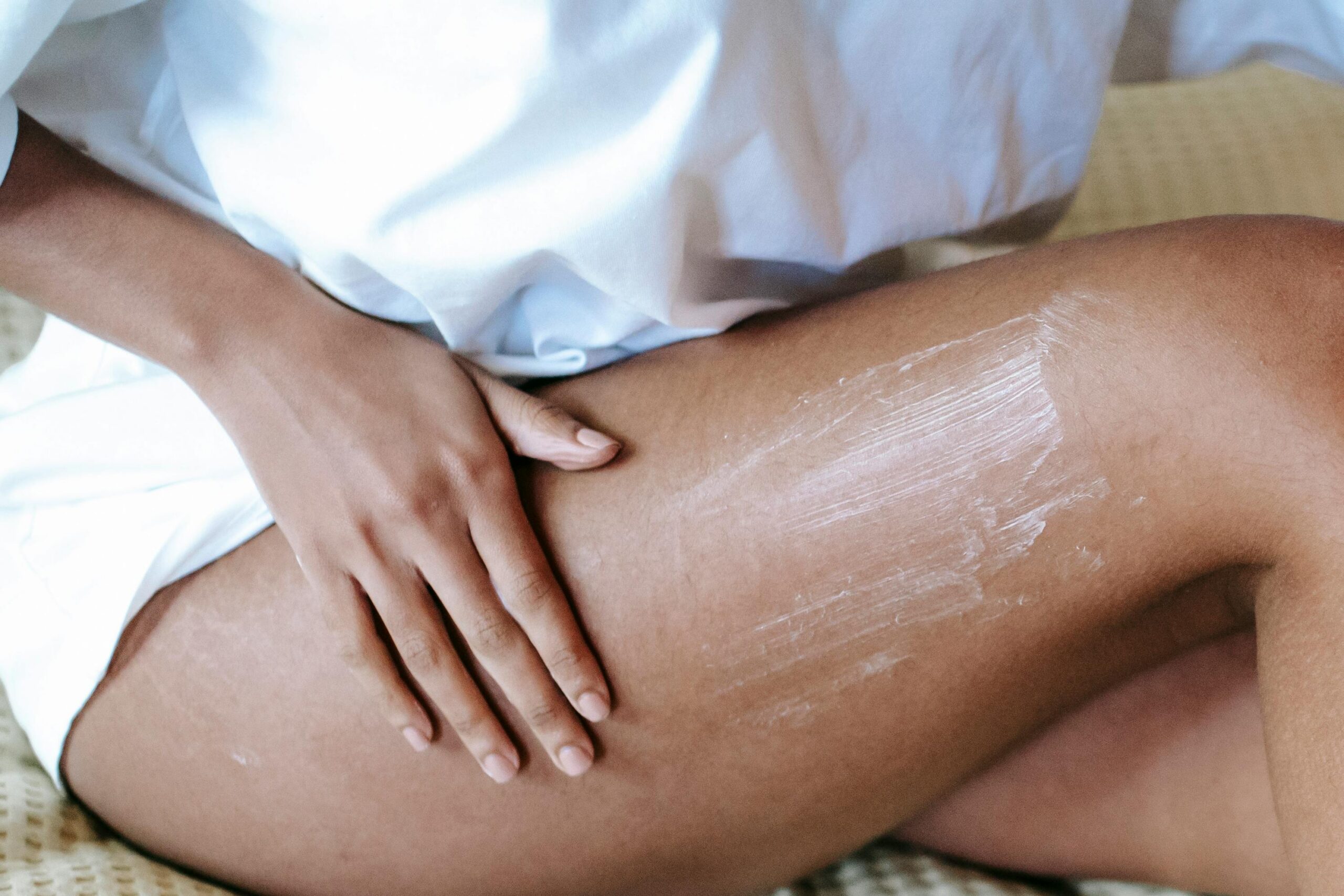
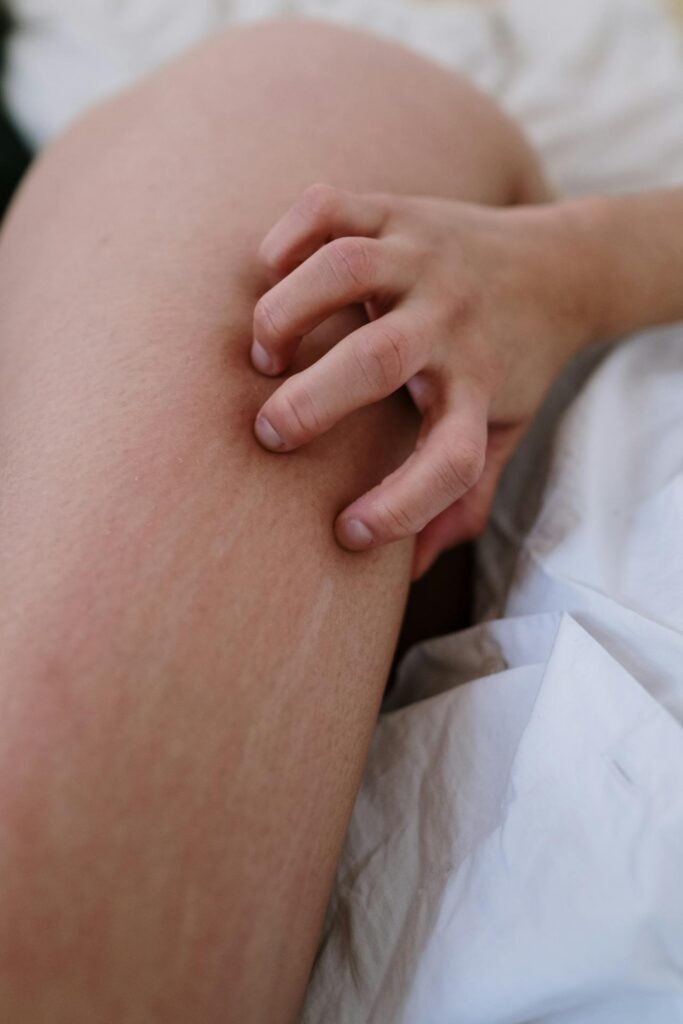
An itchy rash inner thigh is one of the most common and uncomfortable skin complaints for both men and women. Whether it appears as red, inflamed patches, small bumps, or scaly skin, an itchy rash on the inner thigh can make everyday activities — from walking to exercising — genuinely painful. The good news is that most causes of an itchy rash inner thigh are entirely treatable, and once you identify what’s behind the irritation, relief is usually quick to follow.
⚕️ Medical Disclaimer: This article is for informational purposes only and does not constitute medical advice. Always consult a qualified healthcare professional before making changes to your health routine.
Last updated: May 2026
📋 Table of Contents
- Why the Inner Thigh Is Prone to Rashes
- 8 Common Causes of an Itchy Rash on the Inner Thigh
- Itchy Rash Inner Thigh Treatments You Can Try Today
- Natural Home Remedies for Inner Thigh Rash
- Common Itchy Rash Inner Thigh Misconceptions
- How to Prevent an Itchy Rash on Your Inner Thigh
- When to Seek Professional Help
- Frequently Asked Questions
Why the Inner Thigh Is Prone to Rashes
The inner thigh is an anatomically vulnerable area when it comes to skin irritation. It is a warm zone where skin surfaces regularly rub against each other or against clothing, and where sweat accumulates and cannot evaporate easily. These conditions create the perfect environment for an itchy rash inner thigh to develop — whether from friction, trapped moisture, fungal overgrowth, or allergic reactions.
According to dermatologists, the combination of heat, humidity, and skin-on-skin contact makes the inner thigh one of the most common sites for intertrigo, fungal infection, and chafing rashes in both men and women. People who are overweight, physically active, or who live in hot climates face a higher risk. Even simply wearing tight synthetic clothing in warm weather can trigger an itchy rash inner thigh in an otherwise healthy person.
Understanding this unique anatomy is the first step to treating any itchy rash on the inner thigh correctly. Since several different conditions can look very similar, identifying the right cause — and choosing the matching treatment — makes a significant difference in how quickly you recover.
8 Common Causes of an Itchy Rash Inner Thigh
1. Chafing — The Most Common Itchy Rash Inner Thigh Cause
Chafing is the single most frequent cause of an itchy rash inner thigh. It occurs when the thighs repeatedly rub against each other or against clothing, breaking down the skin barrier and causing redness, irritation, and a burning sensation. The rash typically appears as raw, reddened skin with slightly shiny patches and is most common in warm weather, during exercise, or when wearing tight clothing made of synthetic materials.
Chafing-related inner thigh rash responds quickly to treatment when friction is reduced. Applying petroleum jelly, an anti-chafing balm, or aloe vera gel provides immediate relief. Switching to moisture-wicking or loose-fitting fabrics prevents recurrence.
2. Jock Itch (Tinea Cruris) — Fungal Itchy Rash Inner Thigh
Jock itch, medically known as tinea cruris, is a fungal infection caused by dermatophytes — specifically Trichophyton rubrum in the majority of cases. It produces a characteristic itchy rash inner thigh with well-defined, red borders and scaling edges that often forms a ring-like pattern. According to MedlinePlus, jock itch thrives in warm, moist environments and is most common in adult men, teenage boys, and athletes.
The infection typically stays in the creases of the upper thigh and groin area. It can spread from athlete’s foot if the same towel is used on both feet and the groin. Treatment with over-the-counter antifungal creams such as clotrimazole or miconazole for 2–4 weeks is highly effective.
3. Heat Rash (Miliaria) — Itchy Bumps on Inner Thigh
Heat rash develops when sweat ducts become blocked, trapping sweat beneath the skin. The result is a cluster of small, red, itchy bumps that give a prickly or stinging sensation — which is why it is sometimes called prickly heat. Heat rash is especially common on the inner thigh during hot, humid weather or after intense physical activity. The itchy rash inner thigh from heat rash typically clears up within a few days once the skin is kept cool and dry.
Cooling the affected area, wearing loose cotton clothing, and staying in air-conditioned environments are the most effective strategies. Applying a cool (not cold) compress and calamine lotion provides quick symptomatic relief.
4. Contact Dermatitis — Allergic Inner Thigh Rash
Contact dermatitis occurs when the skin reacts to an irritant or allergen that it has come into direct contact with. On the inner thigh, common triggers include laundry detergents, fabric softeners with synthetic fragrances, harsh soaps, certain clothing dyes, shaving products, or topical medications. The resulting itchy rash inner thigh typically appears as red, inflamed patches that may include small blisters and intense itching.
Identifying and eliminating the triggering substance is the key treatment step. Switching to fragrance-free, hypoallergenic detergents and cleansers, and applying topical hydrocortisone cream to reduce inflammation, usually clears the rash within one to two weeks.
5. Eczema (Atopic Dermatitis) on the Inner Thigh
Eczema is a chronic inflammatory skin condition characterised by dry, intensely itchy, and inflamed skin. While it most commonly begins in the folds of the elbows or knees, eczema can spread to the inner thighs and cause significant discomfort. An eczema-related itchy rash inner thigh tends to be dry, scaly, and lichenified (thickened) from repeated scratching, and flares are typically triggered by environmental irritants, stress, sweat, or synthetic fabrics.
Management focuses on regular moisturising with fragrance-free emollients, identifying and avoiding triggers, and using topical corticosteroids during flare-ups. Consulting a dermatologist is recommended for persistent or severe eczema on the inner thigh.
6. Intertrigo — Skin Fold Rash Inner Thigh
Intertrigo is a rash that develops specifically in skin folds where friction, moisture, and warmth combine. It can be caused by fungi, bacteria, or both simultaneously. The rash presents as red, raw-looking skin that is often weeping, macerated (waterlogged in appearance), and foul-smelling in more severe cases. This type of itchy rash inner thigh is common in people with larger body habitus, in hot climates, and in those who wear tight clothing for extended periods.
Treatment involves keeping the area dry, applying absorbent powders (like zinc oxide powder), and using topical antifungal or antibacterial treatments as appropriate. Wearing loose, breathable cotton clothing is essential for recovery and prevention.
7. Razor Burn and Folliculitis
Razor burn is a common cause of an itchy rash inner thigh in people who shave the groin area. It presents as red bumps, irritation, and stinging that appear shortly after shaving. Folliculitis — inflammation of hair follicles — can develop alongside razor burn when bacteria enter the follicle, producing pus-filled bumps. Both conditions respond well to keeping the skin clean, using a sharp blade with shaving gel, and applying soothing aloe vera after shaving.
If folliculitis becomes infected (painful, enlarging bumps with pus), a topical or oral antibiotic may be needed. Persistent folliculitis should be assessed by a GP or dermatologist.
8. Psoriasis and Other Conditions
Psoriasis is a chronic autoimmune condition that can cause raised, silvery-scaled red plaques anywhere on the body, including the inner thigh. When psoriasis occurs in skin folds — known as inverse psoriasis — it typically appears as smooth, shiny red patches without the usual scaling. Less commonly, an itchy rash inner thigh may be caused by hidradenitis suppurativa (a chronic skin condition causing painful lumps and scarring), swimmer’s itch, or — rarely — sexually transmitted infections affecting the groin area.
Psoriasis requires diagnosis and management by a healthcare professional, as it is a systemic condition with several effective treatment options including topical steroids, biologics, and phototherapy.
💡 Did You Know? According to the CDC, fungal skin infections like tinea cruris (jock itch) affect millions of people globally — with dermatophytosis accounting for approximately 10–20% of all visits to dermatologists. Warm, humid climates and tight synthetic clothing significantly increase risk. An itchy rash inner thigh from fungal causes is among the most commonly treated dermatology conditions worldwide.
Itchy Rash Inner Thigh Treatments You Can Try Today
Treating an itchy rash inner thigh effectively requires matching the treatment to the cause. The approach for a fungal infection differs significantly from the approach for contact dermatitis or eczema. Here are the most evidence-supported treatments, organised by cause type.
For Fungal Infections (Jock Itch): Antifungal Creams
Over-the-counter antifungal creams containing clotrimazole 1%, miconazole, or terbinafine are the first-line treatment for jock itch-related itchy rash inner thigh. Apply twice daily to the affected area and for at least one week after the rash clears to prevent recurrence. According to NHS guidance, most fungal skin infections respond to treatment within 2–4 weeks. Keep the area clean and thoroughly dry before each application.
If the antifungal itchy rash inner thigh does not respond to OTC treatment within 4 weeks, or if you have a weakened immune system or diabetes, seek medical review. Prescription-strength antifungals may be required.
For Chafing and Friction Rash: Barrier Protection
Chafing-related itchy rash inner thigh heals fastest when friction is eliminated and the skin barrier is protected. Apply petroleum jelly, zinc oxide cream, or a dedicated anti-chafing balm generously to clean, dry skin before activity. Change out of wet or sweaty clothing immediately after exercise. Wearing moisture-wicking shorts or compression cycling shorts under skirts or dresses provides a protective barrier between thigh skin surfaces.
The rash itself typically resolves within 3–5 days once friction is removed. Calamine lotion or 1% hydrocortisone cream can soothe the itch and inflammation during the healing process.
For Inflammatory Rashes: Hydrocortisone and Antihistamines
Contact dermatitis, heat rash, and mild eczema flares on the inner thigh respond well to topical 1% hydrocortisone cream applied sparingly once or twice daily for up to one week. Oral antihistamines (such as cetirizine or loratadine) help control the itch and reduce the inflammatory response, particularly if the itchy rash inner thigh is causing sleep disruption. Avoid extended use of topical steroids on skin fold areas without medical supervision, as the skin is thinner there and more vulnerable to steroid-related side effects.
For eczema-related itchy rash on the inner thigh, regular application of a fragrance-free emollient cream (applied twice daily even when the skin looks clear) is essential for long-term management and prevention of flares.

Natural Home Remedies for Itchy Rash Inner Thigh
Several well-established natural remedies can provide meaningful relief for an itchy rash inner thigh, particularly for mild cases caused by chafing, heat rash, or contact dermatitis. These options are gentle, widely available, and free from harsh synthetic chemicals.
Aloe Vera Gel
Aloe vera is one of the most effective natural remedies for an itchy rash inner thigh. Its anti-inflammatory and cooling properties reduce redness and itching rapidly. Apply fresh aloe gel (or a 100% pure aloe product) directly to the rash 2–3 times daily. For added antibacterial benefit, mix with 2–3 drops of diluted tea tree oil before applying. Always do a patch test first, as some individuals are sensitive to tea tree oil.
Colloidal Oatmeal Baths
Colloidal oatmeal has well-documented anti-inflammatory properties and is particularly soothing for itchy, inflamed skin. Add one cup of finely blended oats to a lukewarm bath and soak for 15–20 minutes. This is especially helpful for an itchy rash inner thigh caused by eczema or contact dermatitis. Rinse with clean water and pat the skin gently dry — never rub, as this worsens inflammation.
Coconut Oil
Virgin coconut oil has both moisturising and mild antifungal properties, making it a useful natural remedy for an itchy rash inner thigh caused by mild fungal overgrowth or dry, irritated skin. Apply a thin layer to the clean, dry affected area 2–3 times daily. Note that coconut oil is occlusive — it traps moisture — so ensure the skin is completely dry before application, particularly in warm weather, to avoid making a fungal rash worse.
Cold Compresses
Cold compresses reduce inflammation and provide immediate itch relief for almost any type of itchy rash inner thigh. Wrap ice cubes or a gel ice pack in a clean cloth and apply to the affected area for 10–15 minutes. Repeat up to 3–4 times daily as needed. Never apply ice directly to skin, as this can cause ice burn. Cold compresses are particularly effective for heat rash and contact dermatitis.
Calamine Lotion
Calamine lotion is a time-tested OTC remedy for itchy skin conditions, including an itchy rash inner thigh from heat rash, contact dermatitis, or mild allergic reactions. Its zinc oxide content reduces inflammation and dries out weeping skin. Apply with a cotton pad to the affected area 2–3 times daily. It is particularly soothing when refrigerated before use. Calamine lotion is safe for children and adults alike.
Common Itchy Rash Inner Thigh Misconceptions
“All inner thigh rashes are jock itch”
This is one of the most common misconceptions about an itchy rash inner thigh. While jock itch is certainly common, it accounts for only a fraction of inner thigh rash cases. Chafing, heat rash, contact dermatitis, and eczema are equally or more prevalent — and they require entirely different treatments. Using antifungal cream on a contact dermatitis rash, for example, will have no effect and may delay recovery.
“Only men get jock itch”
While tinea cruris (jock itch) is statistically more common in men, women are certainly not immune. Women can develop fungal infections on the inner thigh, particularly in hot weather, during pregnancy (when hormonal changes affect skin pH and moisture), or when wearing tight synthetic clothing regularly. Any itchy rash inner thigh with defined red borders and scaling in a woman should be assessed for fungal causes, not dismissed as something else.
“You should scrub the area to remove the rash faster”
Scrubbing or vigorous rubbing of an itchy rash inner thigh is counterproductive and potentially harmful. It breaks down the already compromised skin barrier, introduces bacteria into micro-abrasions, and worsens inflammation. Always clean the area gently with a mild, fragrance-free soap and lukewarm water, and pat — never rub — dry with a clean towel. Gentle handling is one of the most important aspects of inner thigh rash care.
How to Prevent an Itchy Rash Inner Thigh
Preventing an itchy rash inner thigh comes down to addressing the underlying conditions that make this area vulnerable. These practical daily habits significantly reduce the risk of developing a rash in the first place.
Keep the inner thigh area clean and thoroughly dry — especially after showering, swimming, or exercise. Moisture trapped against the skin is the most common trigger for both fungal infections and heat rash. Pat the skin completely dry before dressing and consider using an absorbent powder (such as zinc oxide or unscented talc-free powder) if you are particularly prone to moisture accumulation.
Choose clothing wisely. Natural fibres like cotton and bamboo allow air circulation and reduce friction compared to synthetic materials. Wear loose-fitting underwear and trousers whenever possible, and change out of sweaty or wet clothing immediately after exercise. For active people who frequently develop an itchy rash inner thigh from chafing, moisture-wicking compression shorts worn under other clothing provide significant protection. For more guidance on managing sun-related or environmental skin irritation, see our guide on sun poisoning rash symptoms and treatment.
Maintain good overall hygiene. Bathe daily — especially after exercise — using a mild, fragrance-free soap. Avoid sharing towels, clothing, or personal items, as fungal infections like jock itch are contagious. If you have athlete’s foot, treat it promptly, as the same fungus can spread to the inner thigh. For an evidence-based approach to natural skin care that supports your skin barrier and reduces inflammation, explore the benefits of manuka honey for skin conditions — its antimicrobial properties make it a useful addition to a natural skin care routine.
When to Seek Professional Help for an Itchy Rash Inner Thigh
Most cases of itchy rash inner thigh resolve within one to two weeks with appropriate home treatment. However, there are specific circumstances that warrant prompt medical evaluation. See a GP or dermatologist if the rash persists for longer than one week despite appropriate home treatment, if it is spreading rapidly beyond the inner thigh, or if it is accompanied by fever, chills, or systemic symptoms.
Seek medical attention if the itchy rash inner thigh is producing pus-filled blisters, open sores, or significant skin breakdown — these can indicate a bacterial secondary infection that requires antibiotic treatment. Additionally, if you notice raised, well-defined plaques that do not respond to antifungal or anti-inflammatory creams, a dermatologist can assess for psoriasis or other systemic skin conditions requiring specialist management.
The National Library of Medicine (PubMed) notes that recurrent or treatment-resistant fungal infections — particularly those that may involve newer antifungal-resistant strains of Trichophyton indotineae — are increasing globally and require culture testing and prescription antifungal regimens. If you have tried two or more courses of OTC antifungal cream without improvement, a medical review with skin swab testing is the appropriate next step.
Frequently Asked Questions About Itchy Rash Inner Thigh
What is the fastest way to get rid of an itchy rash on the inner thigh?
The fastest way to relieve an itchy rash inner thigh depends on the cause. For fungal rashes (jock itch), apply an OTC antifungal cream twice daily. For chafing, apply petroleum jelly or calamine lotion and eliminate friction. For heat rash, cool the area and keep it dry. For allergic or contact dermatitis, remove the triggering substance and apply 1% hydrocortisone cream. Regardless of cause, keeping the area clean, dry, and friction-free accelerates healing significantly.
Can an itchy rash on the inner thigh be a sign of something serious?
The vast majority of itchy rash inner thigh cases are caused by benign, easily treatable conditions like chafing or fungal infection. However, in rare cases, a persistent or unusual rash may indicate a sexually transmitted infection (particularly if located close to the groin), psoriasis, hidradenitis suppurativa, or another systemic condition. Any itchy rash inner thigh that does not respond to appropriate OTC treatment within one to two weeks, or that is accompanied by other symptoms such as fever or genital sores, should be assessed by a doctor.
Why does my itchy rash inner thigh keep coming back?
Recurring itchy rash inner thigh is usually a sign that the underlying cause has not been fully addressed. For fungal infections, this often means the treatment course was too short (antifungal cream should be continued for at least one week after the rash clears), or that a reservoir of fungal infection remains (such as untreated athlete’s foot spreading to the groin). For chafing or heat rash, recurrence means the physical conditions — tight clothing, excess moisture, heat — have not been modified. Identifying and consistently addressing the root cause is the key to preventing recurrence.
Is an itchy rash on the inner thigh contagious?
It depends on the cause. Fungal infections like jock itch are mildly contagious — they can spread through direct skin-to-skin contact or by sharing towels, clothing, or bedding with an infected person. Chafing, heat rash, eczema, and contact dermatitis are not contagious and pose no risk to others. If your itchy rash inner thigh has been diagnosed as tinea cruris, avoid sharing personal items and treat your feet simultaneously if athlete’s foot is also present, to prevent reinfection.
🌿 An itchy rash on the inner thigh is uncomfortable — but it doesn’t have to linger.
Identify the cause, apply the right treatment, and keep the area clean and dry. Most inner thigh rashes resolve within one to two weeks with consistent care. If yours doesn’t, a dermatologist can get you the right diagnosis and treatment plan fast. 💚
✍️ About the Author
This article was written by the editorial team at Blooming Vitality, a health and wellness platform dedicated to evidence-based, compassionate guidance for skin and physical wellbeing. Our content is reviewed for accuracy against current peer-reviewed research and NHS-aligned health guidelines.