💚 TL;DR
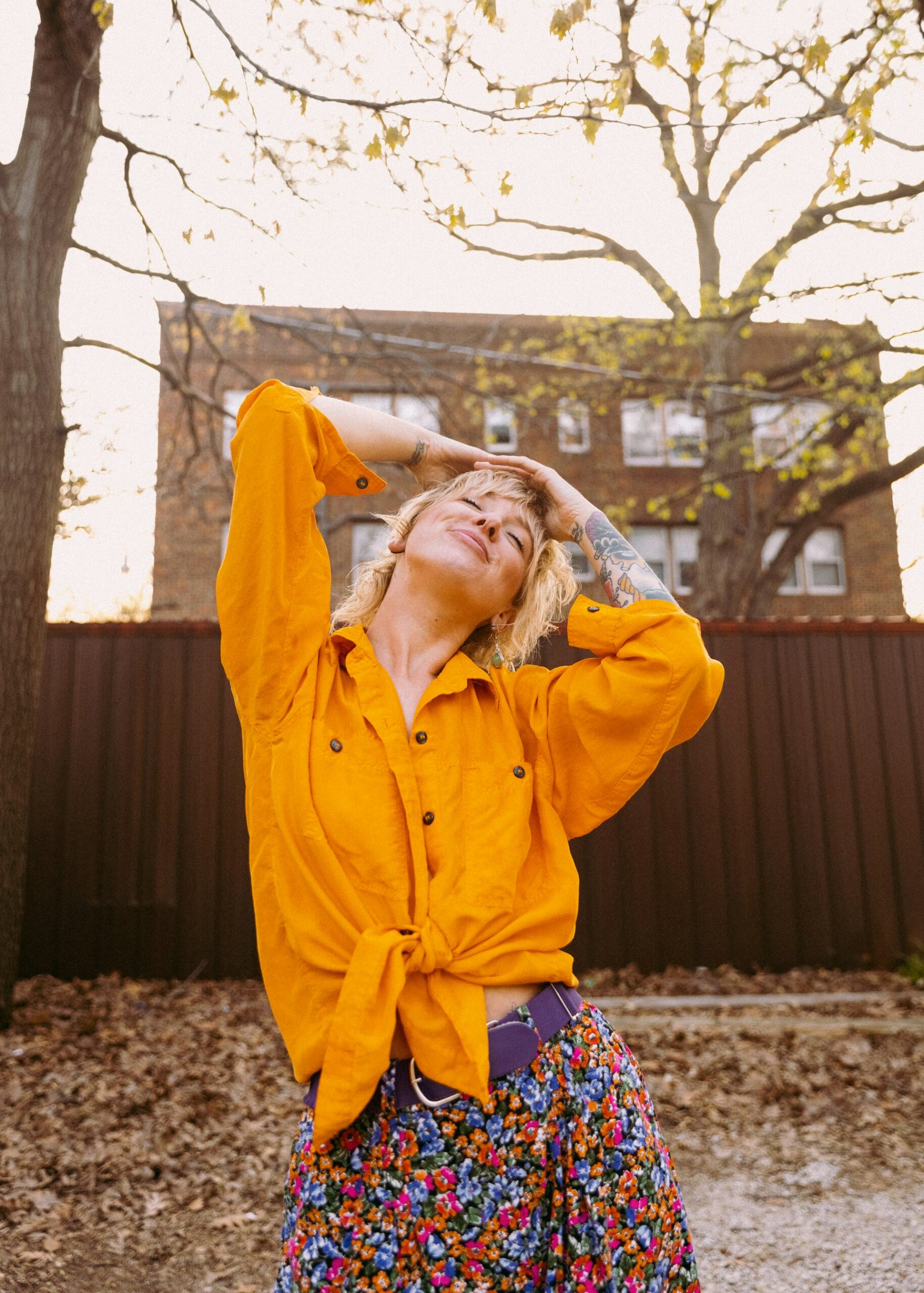
- Dopamine dressing is the practice of intentionally wearing colours, textures, and styles that boost your mood and emotional wellbeing — backed by colour psychology research.
- Clothing cannot directly produce dopamine, but it can trigger positive emotional responses that lead to increased dopamine release in the brain — a real, measurable neurological effect.
- Dopamine dressing is not about wearing neon every day — it is about choosing what makes you feel good, which varies significantly from person to person.
- Pinterest named dopamine dressing a top style trend for 2026, and fashion forecasters expect it to continue growing as a reaction against muted minimalism and mental health burnout.
Dopamine dressing is one of the most talked-about wellness-meets-fashion trends of 2025 and 2026. The idea is simple: wear clothes that make you feel good, and your brain will respond in kind.
But dopamine dressing is more than a TikTok aesthetic. It sits at the intersection of colour psychology, enclothed cognition, and neuroscience — and there is genuine science behind why reaching for that bold yellow jumper on a grey Tuesday morning can shift your entire mental state.
This guide explains what dopamine dressing actually is, what the research says, how colour psychology works in practice, and how to apply it to your own wardrobe without buying a single new thing.
⚕️ Medical Disclaimer: This article is for informational purposes only. Dopamine dressing is a wellness lifestyle practice, not a treatment for any mental health condition. If you are experiencing depression, anxiety, or burnout, please consult a qualified mental health professional.
What Is Dopamine Dressing?
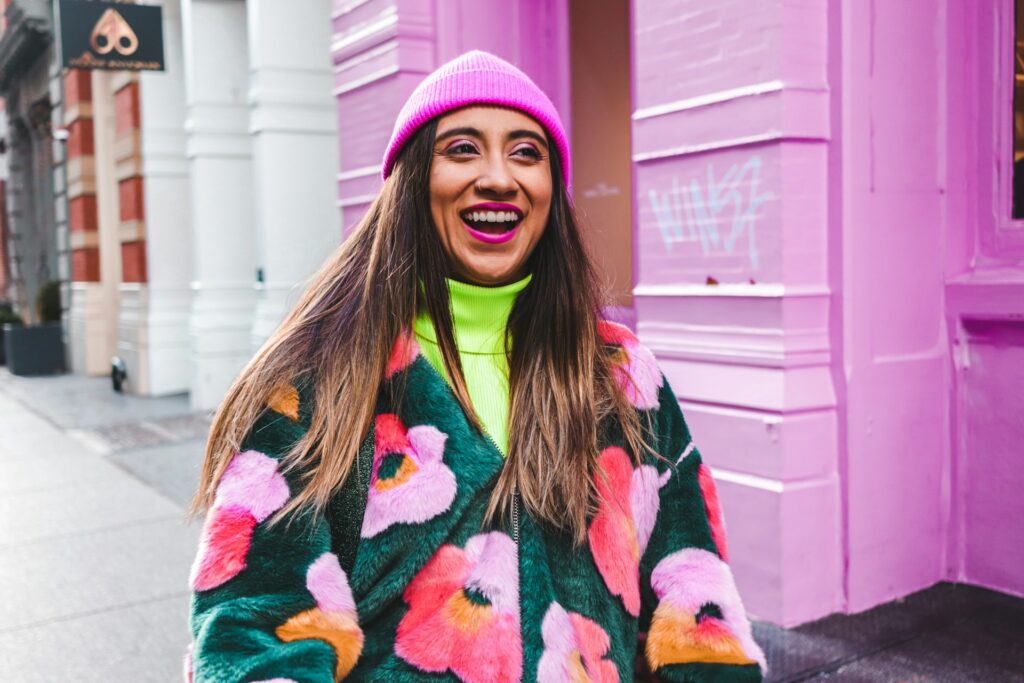
It refers to the practice of deliberately choosing clothing — colours, textures, prints, and silhouettes — based on how they make you feel emotionally, rather than what is on trend or what is “appropriate.”
The term became widely used in 2022 when Pinterest named it a top style trend. It has since evolved into a broader philosophy: dressing from the inside out, asking “does this make me feel good?” rather than “does this look good to others?”
The concept is part of a larger psychological phenomenon called enclothed cognition — the scientific study of how clothing affects our thoughts, feelings, and behaviours. Dopamine dressing takes enclothed cognition and turns it into a daily, intentional practice.
The Science: How Clothing Affects the Brain
Clothing cannot directly produce dopamine — but it can reliably trigger emotional responses that prompt the brain’s own dopamine release. This is not a trivial distinction. It means the effect of dopamine dressing is real and neurologically grounded, even if the mechanism is indirect.
Research in enclothed cognition, pioneered by psychologists Adam and Galinsky, shows that what we wear affects how we think and perform. Wearing clothing associated with certain qualities — confidence, creativity, authority — actually influences the wearer’s cognitive and emotional state, not just how others perceive them.
Colour itself has measurable physiological effects. According to research published in Frontiers in Psychology, colour exposure produces consistent changes in heart rate, blood pressure, and cortisol levels. Warm colours like red and orange can increase arousal and energy. Cool colours like blue and green reliably lower perceived stress and slow heart rate.
When you wear a colour that you personally associate with positive feelings — whether that is cherry red confidence or soft lavender calm — your brain activates reward pathways. This is the neurological basis of this kind of dressing.
💡 Did You Know? Clinical psychologist Dr Gita Chaudhuri notes that dopamine dressing is “complex and completely subjective to each individual.” For one person it looks like saturated neon. For another it might be a perfectly fitted all-black outfit that signals strength. What matters is not the colour itself — it is how you perceive it and how it makes you feel. According to the WHO’s mental health framework, emotional wellbeing is shaped by daily practices that support positive affect — and intentional self-expression through clothing qualifies as exactly that.
Dopamine Dressing Colour Psychology Guide
While personal associations always override general rules, colour psychology research provides useful starting points for dopamine dressing choices. These associations are consistent across large study populations, though cultural context always matters.
Yellow — Energy and Optimism
Yellow is one of the most psychologically uplifting colours in dopamine dressing. Research consistently links it to feelings of happiness, optimism, and creative energy.
It is also the colour most associated with the dopamine dressing trend visually — the Kind Patches were yellow, and yellow dominates the aesthetic on social media. A little goes a long way — a yellow scarf or bag can provide the uplift without overwhelming a neutral outfit.
Red and Orange — Confidence and Power
Red is the most physiologically activating colour. It raises heart rate and increases arousal — which in the right context translates as confidence and presence.
Orange sits between red’s energy and yellow’s warmth — it is associated with enthusiasm, sociability, and warmth. Both are strong choices for dopamine dressing when you need a boost before a challenging situation.
Blue and Green — Calm and Restoration
Blue and green are reliably calming colours. Green in particular is associated with restoration and nature exposure — wearing it can mimic some of the psychological benefits of spending time outdoors.
For dopamine dressing purposes, these are ideal on days when overstimulation or anxiety is the challenge — the goal is less about energy and more about feeling settled and safe.
Pink and Lilac — Playfulness and Softness
Soft pinks and lilacs have become central to the dopamine dressing aesthetic, associated with lightness, approachability, and a certain deliberate joy. They signal that the wearer is choosing softness intentionally — not by default.
Black and Neutral — Calm Confidence
Dopamine dressing does not require colour. For many people, a perfectly fitted, high-quality black outfit is their most mood-lifting option — it signals strength, composure, and intentionality.
The principle of this dressing is always emotional authenticity first. If black makes you feel powerful, black is your dopamine colour.
How to Try Dopamine Dressing Today
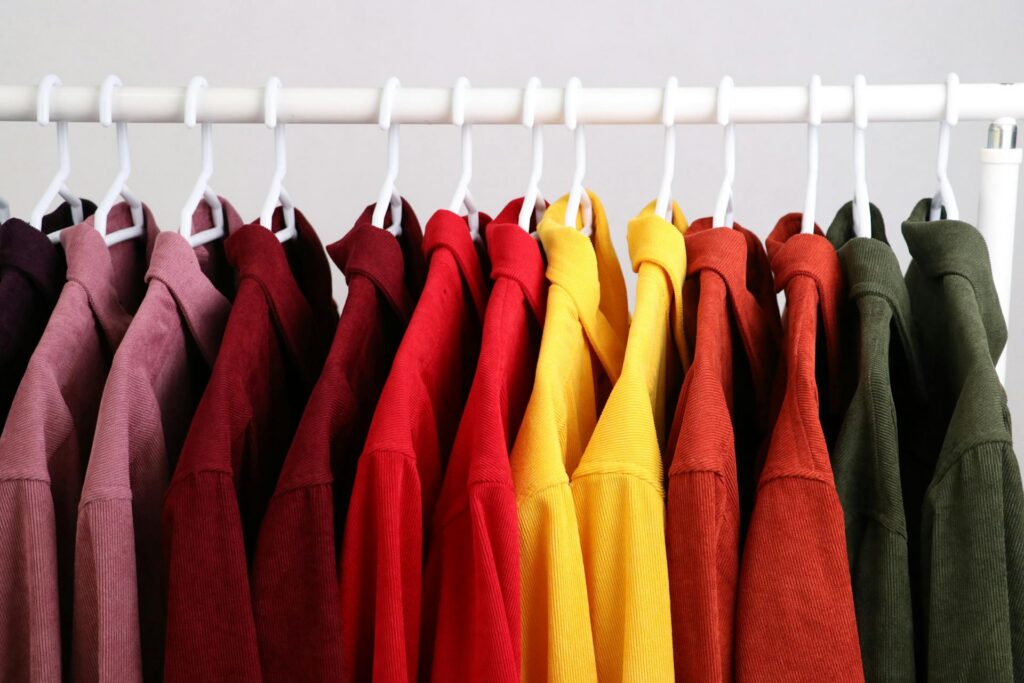
The best entry point into it is your existing wardrobe. You do not need to buy anything new. Start by pulling out every item you own and asking one question: “How do I actually feel when I wear this?”
Step 1 — Identify your mood-lifters. These are the pieces you reach for on days when you want to feel your best. Notice what they have in common — is it colour, texture, silhouette, or the way they fit? That pattern is your personal dopamine dressing formula.
Step 2 — Start with accessories. If bold colour feels unfamiliar, begin with one accessory — a bag, scarf, earrings, or socks in a colour that genuinely excites you. This is a low-commitment, high-impact way to test dopamine dressing without overhauling your wardrobe.
Step 3 — Dress intentionally for your day. Before choosing your outfit, check in with how you are feeling and what you need. Need energy? Go warmer and brighter. Need calm? Reach for cool tones and soft textures. Need confidence? Choose the piece that makes you feel most like yourself.
Step 4 — Notice the effect. Pay attention to how you feel once dressed. Dopamine dressing works partly through the ritual of intentional choice — the act of pausing to ask “what do I need today?” is itself a mood-regulating practice.
Step 5 — Build sustainably. When adding new pieces, buy fewer items in colours and textures that genuinely excite you rather than many items in safe neutrals. Fashion forecasters predict that dopamine dressing will evolve toward quality over quantity — fewer, more intentional pieces in truly joy-inducing colours.
Common Dopamine Dressing Misconceptions
“Dopamine dressing means wearing neon every day”
This is the most common misunderstanding of this respective dressing. The trend is not prescriptive about which colours you should wear. It is prescriptive about the process — choosing based on how clothes make you feel, not what is trending or expected.
For some people, maximalist colour is the answer. For others, a beautifully textured camel coat is their most mood-lifting garment. Both are valid expressions of dopamine dressing.
“It’s a superficial trend with no real effect”
The enclothed cognition research and colour psychology evidence are genuine. Clothing does affect cognitive and emotional states — this is established in academic psychology, not just wellness marketing.
That said, dopamine dressing produces modest, contextual effects — not transformation. It can shift your baseline mood by a meaningful degree. It cannot override clinical depression, severe anxiety, or significant life stressors.
What Dopamine Dressing Cannot Do
It is important to be clear about the limits of dopamine dressing. Research from Chill.com’s 2026 experiment found that bold colour produced “a slight rise in alertness” and helped people “break the loop” on flat days — but it did not reset a dysregulated nervous system.
Dopamine dressing can shift mood. It cannot regulate it. If you are experiencing persistent low mood, emotional numbness, burnout, or clinical anxiety, please seek professional support. Our article on emotional numbness explains what is happening neurologically when mood tools stop working — and what proper support looks like. Our guide on recovering from burnout covers the more structural interventions that are needed when the nervous system is genuinely depleted.
Frequently Asked Questions
What is dopamine dressing exactly?
Dopamine dressing is the practice of choosing clothing based on how it makes you feel emotionally — using colour, texture, and style as tools for mood regulation. It is grounded in the psychological concept of enclothed cognition and colour psychology research. The goal is not to follow a specific aesthetic but to dress with emotional intentionality.
Does dopamine dressing actually work?
The evidence suggests it does produce real, if modest, mood effects. Colour exposure has measurable physiological effects on heart rate, cortisol, and arousal. Enclothed cognition research confirms that what we wear affects how we think and feel. The dopamine dressing effect is real — but it shifts mood rather than transforming it, and personal colour associations matter more than universal colour rules.
What colours are best for dopamine dressing?
There are no universally “best” colours for dopamine dressing — personal associations always override general rules. That said, yellow, orange, and red tend to be energising and confidence-boosting. Blue and green tend to be calming and restorative. Pink and lilac are associated with playfulness. The most important question is always: which colours make you feel most like yourself?
Can dopamine dressing help with anxiety or depression?
Dopamine dressing can be a supportive daily practice that contributes to emotional wellbeing — but it is not a treatment for clinical anxiety or depression. If you are experiencing these conditions, evidence-based treatments including CBT, SSRIs (under medical supervision), and lifestyle interventions are the appropriate first steps. Dopamine dressing works best as a complementary daily habit alongside, not instead of, professional care.
🌿 Dress for How You Want to Feel — Not Just How You Look
Dopamine dressing is one of the simplest, most accessible mood tools available. It costs nothing to start, requires no new purchases, and takes about 30 seconds of intentionality each morning. Start with one piece that genuinely makes you smile — and notice what happens. 💚
✍️ About the Author
This article was written by the editorial team at Blooming Vitality, a health and wellness platform dedicated to evidence-based, compassionate guidance for mental and physical wellbeing. Our content is reviewed for accuracy against current peer-reviewed research and NHS-aligned health guidelines.