
💚 TL;DR
- Learning how to fall asleep with anxiety involves calming both the physiological stress response and the racing mind simultaneously.
- Proven techniques include 4-7-8 breathing, progressive muscle relaxation, cognitive defusion, and the cognitive shuffle method.
- Natural supplements like l-theanine, magnesium glycinate, and ashwagandha can significantly reduce pre-sleep anxiety.
- Consistent sleep hygiene is non-negotiable — anxiety thrives in the chaos of irregular schedules and overstimulating evenings.
If you’ve ever lain in bed at midnight with your heart racing, mind spinning through worries you can’t switch off, you know exactly why learning how to fall asleep with anxiety feels urgent. Anxiety and sleep have a particularly cruel relationship: anxiety makes sleep harder, and poor sleep amplifies anxiety — creating a vicious cycle that can feel impossible to break. An estimated 40 million Americans and over 8 million adults in the UK experience anxiety disorders, and sleep disruption is among the most universally reported symptoms. The good news is that targeted, evidence-based strategies can interrupt this cycle effectively.
Why Anxiety Makes Sleep So Difficult
When anxiety activates the sympathetic nervous system — the “fight or flight” response — it triggers a cascade of physiological changes that are the opposite of what sleep requires. Cortisol and adrenaline rise, heart rate increases, muscle tension climbs, and the brain shifts into a hypervigilant scanning mode, looking for threats. None of this is compatible with the relaxed parasympathetic state needed for sleep onset. Understanding this is the first step in knowing how to fall asleep with anxiety: you need to actively reverse these physiological states, not just “try harder to relax.”
The Science Behind How to Fall Asleep with Anxiety
Research published in PubMed confirms that anxiety disorders are associated with significantly longer sleep onset latency, more frequent nocturnal awakenings, and reduced total sleep time compared to non-anxious populations. Crucially, the same research shows that targeted interventions — particularly breathwork, cognitive techniques, and anxiolytic supplements — can produce meaningful improvements in sleep even while anxiety is being actively managed. NHS guidance on anxiety recommends addressing sleep as a primary component of anxiety management rather than as a secondary concern.
10 Proven Strategies: How to Fall Asleep with Anxiety
1. 4-7-8 Breathing — The Fastest How to Fall Asleep with Anxiety Tool
Inhale for 4 counts, hold for 7, exhale slowly for 8. This breath pattern activates the vagus nerve and parasympathetic nervous system within minutes, directly counteracting the physiological arousal of anxiety. It’s free, immediate, and one of the most evidence-supported answers to how to fall asleep with anxiety that requires no equipment. Practice it lying in bed, lights off.
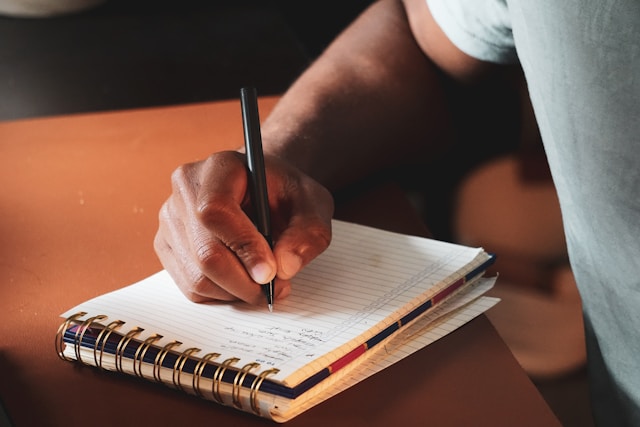
2. Write Your Worries Down Before Bed
Research shows that 10 minutes of expressive worry journaling — writing down every anxious thought without editing — before your wind-down routine significantly reduces pre-sleep cognitive arousal. This “externalisation” empties the active working memory, making it harder for anxious thoughts to spiral in bed. A dedicated “worry journal” is one of the most accessible ways to fall asleep with anxiety tools available.
3. Progressive Muscle Relaxation (PMR)
Anxiety is held in the body as tension. PMR — systematically tensing and releasing each muscle group from toes to face — interrupts this physical pattern and produces whole-body relaxation that naturally transitions into sleep. Many people find this more effective than breathing techniques alone for the somatic (physical) component of how to fall asleep with anxiety.
4. Cognitive Defusion — Separating Yourself from Anxious Thoughts
From Acceptance and Commitment Therapy (ACT), cognitive defusion involves labelling thoughts rather than engaging with them: “I’m having the thought that I’ll fail tomorrow” rather than “I will fail tomorrow.” This simple linguistic shift creates psychological distance from anxious content, reducing its emotional charge — a powerful component of how to fall asleep with anxiety for chronic overthinkers.
5. The Cognitive Shuffle
Visualise a rapid, random sequence of unconnected images — a banana, a lighthouse, a purple sock, a sleeping cat. This technique disrupts the narrative, linear thinking that feeds anxiety, replacing it with random visual imagery that mimics pre-sleep hypnagogic states. It’s one of the most effective modern answers to how to fall asleep with anxiety for those whose minds run in anxious stories.
6. Take L-Theanine 45 Minutes Before Bed
L-theanine (200mg) taken 45 minutes before bed increases alpha brain wave activity — a state of relaxed alertness — and reduces physiological markers of stress, including heart rate and cortisol. This makes it one of the most useful supplemental tools for falling asleep with anxiety, as it takes the edge off without causing sedation or dependence.
7. Magnesium Glycinate for Nervous System Calm
Magnesium glycinate (300–400mg) taken at bedtime activates GABA receptors — producing genuine anxiolytic effects — while glycine independently calms the brainstem. For many people with anxiety-driven sleep difficulties, this combination addresses both the mental and physical dimensions of how to fall asleep with anxiety simultaneously.
8. Limit News and Screens After 8 pm
Threatening or emotionally arousing content — news, social media arguments, true crime — activates the amygdala and significantly worsens pre-sleep anxiety. Implementing a hard “no news after 8 pm” rule is one of the simplest environmental strategies to fall asleep with anxiety, with an outsized positive impact.
9. Use White Noise or Sleep Sounds
An anxious brain in silence will fill that silence with worry. A consistent auditory background — white noise, brown noise, rain sounds, or gentle music — gives the brain something neutral to process, reducing rumination. This is a surprisingly effective how to fall asleep with anxiety tool that works within minutes for most people.
10. Consider Ashwagandha for Baseline Cortisol Reduction
For those with generalised anxiety, ashwagandha (300–600mg KSM-66) taken daily reduces baseline cortisol by 14–32% over 8–12 weeks — making the evening cortisol drop that precedes sleep easier to achieve. This is a longer-term how to fall asleep with anxiety strategy that works systemically on the HPA axis rather than just in the immediate bedtime window.
💡 Did You Know? Paradoxical intention — actively trying to stay awake rather than trying to sleep — is one of the most counterintuitive yet effective ways to fall asleep with anxiety techniques. By removing the performance pressure of “I must fall asleep,” the nervous system relaxes, and sleep naturally follows. Cleveland Clinic sleep researchers include paradoxical intention as a core component of CBT-I for anxiety-related insomnia.
A Pre-Sleep Anxiety Protocol: How to Fall Asleep with Anxiety Tonight
- 9:00 pm: Screens off, take l-theanine 200mg + magnesium glycinate 300mg
- 9:10 pm: 10-minute worry journal — write every anxious thought without editing
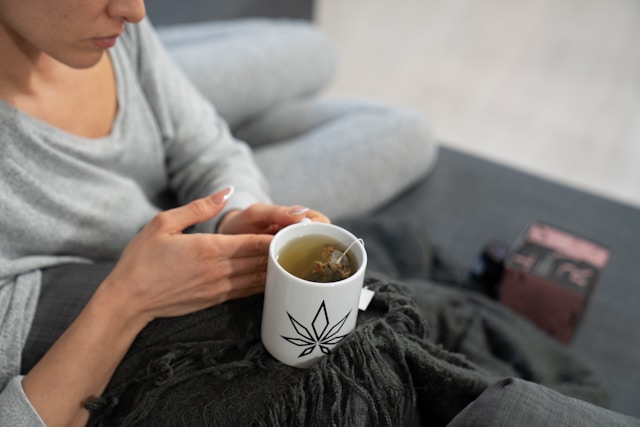
- 9:25 pm: Warm bath or shower, herbal chamomile tea
- 9:50 pm: Light reading or white noise, dim lights
- 10:00 pm: In bed, 4-7-8 breathing for 5 minutes, then cognitive shuffle or PMR
For a deeper dive into natural anxiety support, see our guide on ashwagandha for stress and anxiety.
When to Seek Professional Help
If anxiety is severely disrupting your sleep despite these strategies, please consult your GP. Generalised anxiety disorder, panic disorder, and PTSD-related sleep disturbances often require professional treatment — including CBT, CBT-I, or medication — that goes beyond self-help strategies. Effective treatment is available and makes a profound difference. You don’t have to manage how to fall asleep with anxiety alone.
💬 You’re Not Alone in This
Which of these how to fall asleep with anxiety strategies will you try tonight? Share in the comments — your experience may help someone else in the same situation.
📖 Read next: Natural Stress Relief Supplements That Actually Work — the wider toolkit for managing anxiety from the inside out.