
💚 TL;DR
- Cottage cheese benefits span far beyond protein — this single food supports muscle building, weight loss, bone health, blood sugar control, thyroid function, and gut health simultaneously.
- A landmark April 2025 review in Critical Reviews in Food Science and Nutrition by King’s College London identified cottage cheese as a “relatively underexplored” cultured dairy food with evidence across cardiometabolic, gastrointestinal, body composition, and appetite regulation outcomes.
- Cottage cheese sales jumped 20% between June 2024 and June 2025, driven by the viral high-protein trend — making it one of the fastest-growing food categories globally.
- Cottage cheese contains 80% casein protein — slow-digesting over 6–8 hours — making it uniquely effective as a pre-sleep protein source for overnight muscle repair.
Cottage cheese benefits have made it the unexpected superstar of the 2024–2026 high-protein food movement. Once dismissed as a bland diet food from a previous era, cottage cheese is now one of the most searched and most purchased protein foods in the world — with global sales jumping 20% in the 12 months to June 2025, according to market research firm Circana.
The renaissance is deserved. Cottage cheese is one of the most nutrient-dense, versatile, and affordable high-protein foods available — and a landmark 2025 review by researchers at King’s College London, published in Critical Reviews in Food Science and Nutrition, found evidence for cottage cheese benefits across multiple health outcomes including body composition, appetite regulation, metabolic health, and gut health.
This guide covers 10 science-backed cottage cheese benefits, full nutrition facts, how it compares to Greek yogurt, how to choose the right type, and creative ways to use it every day.
⚕️ Medical Disclaimer: This article is for informational purposes only. If you have kidney disease, lactose intolerance, or a specific medical dietary requirement, please consult a registered dietitian before significantly increasing your cottage cheese intake.
Last updated: May 2026
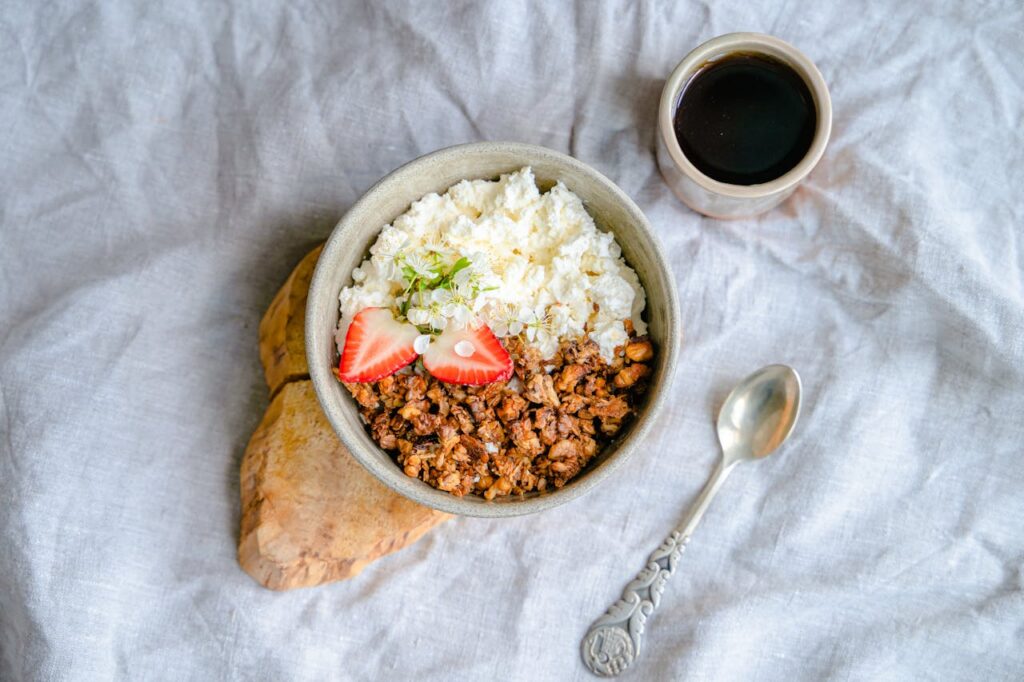
What Is Cottage Cheese?
Cottage cheese is a fresh, unaged cheese made from curdled cow’s milk. It is produced by adding live active cultures to milk — which convert lactose into lactic acid, separating the milk into curds (solid protein and fat) and whey (liquid). The curds are then cut, drained, and mixed with a small amount of cream and salt to produce the characteristic lumpy, moist texture.
Unlike most cheeses, cottage cheese does not go through an ageing or ripening process — making it a “fresh” cheese with a mild flavour and relatively short shelf life. The live active cultures used in its production give it a probiotic content similar to yogurt, contributing to the gut health cottage cheese benefits that are increasingly well-evidenced.
Cottage cheese is sold in small curd, large curd, and whipped varieties, and at fat percentages ranging from 0% (fat-free) to 4% (full-fat). The differences between these affect texture and calorie content but do not significantly change the core cottage cheese benefits from a protein and micronutrient perspective.
Cottage Cheese Nutrition Facts
Understanding the numbers behind cottage cheese benefits starts with its nutritional profile. Per 100g serving of low-fat (2%) cottage cheese, according to USDA data:
Calories: 98 kcal | Protein: 11g | Fat: 4g | Carbohydrates: 3g | Sugar: 3g (natural lactose only) | Calcium: ~11% RDA | Phosphorus: ~16% RDA | Selenium: ~19% RDA | B12: ~15% RDA | Sodium: 364mg (16% DV)
A generous 200g serving — the amount most people eat — delivers approximately 22g protein at just 196 calories. At this protein-to-calorie ratio, cottage cheese stands alongside chicken breast and tinned tuna as one of the most protein-efficient whole foods available. The sodium content is worth noting for those monitoring blood pressure — low-sodium varieties (around 140mg/100g) are available, or rinsing regular cottage cheese with water can reduce sodium by approximately 60%.
💡 Did You Know? The protein in cottage cheese is approximately 80% casein — the slow-digesting protein that gives it its unique muscle-building advantage. Casein digests over 6–8 hours, providing a sustained release of amino acids into the bloodstream rather than a fast spike. This is why bodybuilders have eaten cottage cheese before bed for decades — and why 2025 research now confirms that a cottage cheese benefit over Greek yogurt is its superior overnight muscle protein synthesis effect. According to a comprehensive review published in PubMed by King’s College London researchers (April 2025), cottage cheese is an efficacious vehicle for bioactive compounds with potential across multiple health outcomes — yet remains one of the most underresearched dairy foods relative to its consumption levels.
10 Cottage Cheese Benefits Backed by Science
1. Cottage Cheese Benefits for Muscle Building and Recovery
The most celebrated cottage cheese benefit for athletes and fitness enthusiasts is its exceptional casein protein content. Casein makes up approximately 80% of cottage cheese’s protein — it is slow-digesting, taking 6–8 hours to fully break down, providing a sustained drip-feed of amino acids to muscle tissue rather than a rapid spike.
Research from Maastricht University found that consuming casein protein before sleep increased overnight muscle protein synthesis by approximately 22% compared to a placebo — and cottage cheese is the most accessible, affordable, and food-based way to achieve this effect. The research consistently shows pre-sleep protein intake supports greater muscle mass gains over training programmes compared to daytime-only protein consumption.
WebMD’s medically reviewed nutrition overview notes that “people who eat protein-rich bedtime snacks like cottage cheese enjoy better muscle quality and higher metabolism.” Among the cottage cheese benefits for athletes, this pre-sleep casein advantage is the most practically distinctive — no other common whole food delivers it as efficiently.
2. Cottage Cheese Benefits for Weight Loss and Satiety
Cottage cheese is one of the best foods for weight management, and its cottage cheese benefits for fat loss are well-supported by the scientific evidence. Its high protein content — approximately 11g per 100g at just 98 calories — produces strong satiety through multiple mechanisms.
Protein suppresses ghrelin (the hunger hormone) and elevates peptide YY (a satiety hormone) more effectively than either carbohydrate or fat. The slow-digesting casein in cottage cheese means this satiety effect lasts longer than fast proteins like whey — keeping hunger at bay for 3–4 hours after eating. Research shows that high-protein diets reduce total daily calorie intake naturally, without deliberate restriction.
The 2025 viral TikTok high-protein trend — which saw cottage cheese sales jump 20% — reflects a growing consumer understanding that cottage cheese benefits for weight management are real, sustainable, and require no calorie counting when it becomes a dietary staple.
3. Cottage Cheese Benefits for Bone Health
Cottage cheese provides a meaningful combination of bone-supporting nutrients: calcium, phosphorus, and protein. A recent review cited by nutrition researchers at Today’s Dietitian found that children and adults who avoid dairy products are at higher risk of fractures — and that fermented dairy products like cottage cheese have been specifically linked to a lower risk of hip fracture.
Calcium and phosphorus work together in bone mineralisation, while protein provides the collagen matrix that gives bone its structural flexibility. The cottage cheese benefits for bone health are particularly important for women over 40, older adults at risk of osteoporosis, and younger people who are building peak bone mass.
Unlike calcium from supplements, the calcium in cottage cheese is delivered alongside the other bone-supporting nutrients in a food matrix that enhances absorption — a point consistently made in dairy nutrition research.
4. Cottage Cheese Benefits for Blood Sugar Control
Cottage cheese has a low glycaemic impact — its carbohydrate content is minimal (approximately 3g per 100g, all natural lactose), and its high protein and fat content further slow digestion and blunt any blood glucose response. This makes cottage cheese benefits particularly significant for people managing or at risk of type 2 diabetes.
Food Network’s registered dietitian nutrition team notes that cottage cheese “has a limited impact on blood glucose levels, especially compared to other low-fat dairy products” — making it one of the most diabetes-compatible high-protein snack and meal options available. For people with type 2 diabetes, it is “a great alternative to other cheeses.”
The casein protein’s slow digestion rate is particularly beneficial here — it produces a gradual, steady amino acid and glucose release rather than the rapid spikes that can stress insulin regulation. This steady-state effect is one of the underappreciated cottage cheese benefits for metabolic health.
5. Cottage Cheese Benefits for Thyroid Health
One of the most overlooked cottage cheese benefits is its selenium content. Selenium is an essential trace mineral that plays a critical role in thyroid hormone production and metabolism. Cottage cheese is an excellent source — providing approximately 19% of the recommended daily intake per 100g serving.
Selenium is particularly important for people with autoimmune thyroid conditions including Hashimoto’s thyroiditis and Graves’ disease — both of which are associated with selenium deficiency. WebMD’s medically reviewed cottage cheese overview specifically highlights thyroid protection as a key cottage cheese benefit, noting it “may help those with Hashimoto’s thyroiditis or Graves’ disease.”
Iodine is also present in cottage cheese — another essential thyroid mineral that is commonly deficient in populations avoiding dairy and seafood. This dual selenium and iodine content makes cottage cheese particularly valuable for thyroid health alongside its protein benefits.
6. Cottage Cheese Benefits for Gut Health
Cottage cheese is a fermented dairy food — made using live active cultures that convert lactose to lactic acid during production. These cultures, including Lactococcus lactis and Leuconostoc species, remain live in the finished product, contributing probiotic cottage cheese benefits similar to yogurt.
The 2025 King’s College London review in Critical Reviews in Food Science and Nutrition specifically identified cottage cheese as potentially “an efficacious vehicle for bioactive compounds” with evidence across gastrointestinal health outcomes. In vitro and in vivo models suggest cottage cheese may support gut microbiome diversity and intestinal barrier integrity.
For people who are sensitive to lactose, the fermentation process that produces cottage cheese breaks down a significant portion of lactose during production — making it more tolerable than milk or unfermented dairy for those with mild lactose sensitivity. This is one of the practical cottage cheese benefits for the significant proportion of adults who experience digestive discomfort with regular dairy.
7. Cottage Cheese Benefits for Heart Health
Fermented dairy consumption is consistently associated with improved cardiovascular markers in large population studies. Among the cottage cheese benefits for heart health, the most evidence-backed are: reduced LDL cholesterol from probiotic activity, blood pressure support from potassium and bioactive peptides produced during fermentation, and a reduced risk of cardiovascular events associated with regular dairy consumption.
The King’s College London 2025 review highlighted “cardiometabolic” outcomes as one of the key areas where cottage cheese shows promise — though it noted the need for more high-quality randomised controlled trials specifically on cottage cheese rather than dairy in general. The existing evidence base from yogurt and fermented dairy more broadly provides a strong biological rationale for the cardiovascular cottage cheese benefits.
The sodium content (364mg/100g in standard varieties) is worth monitoring for people with hypertension — choosing low-sodium cottage cheese is advisable for those managing blood pressure, and the overall cottage cheese benefit for cardiovascular health is best realised in the context of a balanced, varied diet. According to NHS dairy nutrition guidance, dairy foods including cottage cheese form part of a heart-healthy balanced diet when consumed in appropriate portions.
8. Cottage Cheese Benefits for Pregnancy Nutrition
Pregnancy significantly increases protein, calcium, phosphorus, and B12 requirements — and cottage cheese addresses all four in a single food. The cottage cheese benefits for pregnancy are substantial: a 200g serving provides approximately 22g protein, significant calcium and phosphorus for foetal bone development, B12 for neural tube formation, and choline (found in cottage cheese dairy fat) for brain development.
Unlike soft cheeses such as brie, camembert, and blue cheese — which are not recommended during pregnancy due to listeria risk — pasteurised cottage cheese is considered safe to eat throughout pregnancy. This safety profile, combined with its nutrient density, makes cottage cheese benefits for pregnancy particularly practical for expectant mothers seeking high-protein, low-risk dairy options.
9. Cottage Cheese Benefits for Skin and Wound Healing
The selenium, zinc, and protein in cottage cheese contribute meaningful cottage cheese benefits for skin health and wound healing. Protein provides the amino acids — particularly glycine and proline — needed for collagen synthesis, which is the structural protein giving skin its firmness and enabling wound healing.
Selenium’s antioxidant role protects skin cells from oxidative damage, while zinc (present in smaller amounts in cottage cheese) supports both wound healing and immune function. These are not headline cottage cheese benefits, but they contribute to the overall body maintenance that a high-protein, mineral-rich diet supports.
10. Cottage Cheese Benefits as a Culinary Staple
The final — and perhaps most practically important — of the cottage cheese benefits is its extraordinary culinary versatility. The 2025 viral trend saw cottage cheese appear in recipes for high-protein ice cream, pancakes, flatbreads, bagels, pasta sauces, dips, and even desserts. This versatility is not just social media creativity — it is nutritionally meaningful, because it makes achieving high daily protein intake genuinely sustainable.
Cottage cheese substitutes effectively for ricotta in pasta dishes and lasagne. Blended, it creates a smooth base for protein-rich sauces and dips. Frozen with fruit and honey, it makes genuinely delicious high-protein ice cream. Used in baking, it adds moisture and protein without significantly altering flavour. The cottage cheese benefit here is consistency — it makes high protein eating varied, enjoyable, and sustainable rather than repetitive and boring.
Cottage Cheese vs Greek Yogurt
The most common comparison in the protein dairy space is cottage cheese vs Greek yogurt — and both are excellent, but with meaningful differences that determine which is most appropriate for specific goals.
Protein: Cottage cheese (11g/100g) has slightly less protein than 0% Greek yogurt at the same serving size — but the casein content of cottage cheese (80% of its protein) is higher, making it superior for slow-release and pre-sleep protein applications. Full-fat cottage cheese actually has more total protein than full-fat Greek yogurt per serving.
Probiotics: Both are fermented dairy foods with live active cultures. Greek yogurt typically uses Lactobacillus bulgaricus and Streptococcus thermophilus; cottage cheese uses different strains. Both support gut health, though Greek yogurt has a larger probiotic research base. Our guide on Greek yogurt benefits covers its probiotic profile in depth for comparison.
Texture and versatility: Greek yogurt is smooth and tangy — easier to use in sweet preparations. Cottage cheese has a lumpier texture in its natural form but blends perfectly smooth. For savoury applications, pasta dishes, and high-protein cooking, cottage cheese benefits from greater versatility than Greek yogurt.
Sodium: Cottage cheese is significantly higher in sodium than Greek yogurt — an important distinction for those monitoring blood pressure. Greek yogurt is the lower-sodium choice; cottage cheese requires the low-sodium variety for blood pressure-conscious consumers.
How to Choose the Right Cottage Cheese
Not all cottage cheese is created equal, and choosing well maximises the cottage cheese benefits you receive.
Fat percentage: 1% or 2% milkfat provides the best protein-to-calorie ratio for weight loss or lean muscle building goals. Full-fat (4%) delivers more flavour and satiety and is perfectly appropriate for people not restricting calories. Fat-free (0%) has the highest protein density but the thinnest flavour — typically used blended into recipes rather than eaten plain.
Live cultures: Check the label for “live and active cultures” to ensure you receive the probiotic cottage cheese benefits. Some cottage cheeses are heat-treated after fermentation, which kills the beneficial bacteria.
Sodium: Standard cottage cheese contains around 364mg sodium per 100g. Choose “reduced sodium” or “low sodium” varieties (approximately 140mg/100g) if you are managing hypertension or following a lower-sodium diet.
Curd size: Small curd blends more smoothly and is better for cooking and recipes. Large curd has more texture and is better for eating plain or with toppings. Neither affects the nutritional cottage cheese benefits — it is purely a texture preference.
How to Eat Cottage Cheese Every Day
The best way to unlock cottage cheese benefits consistently is to build it into meals rather than eating it occasionally as a snack. Here are the most practical daily applications.
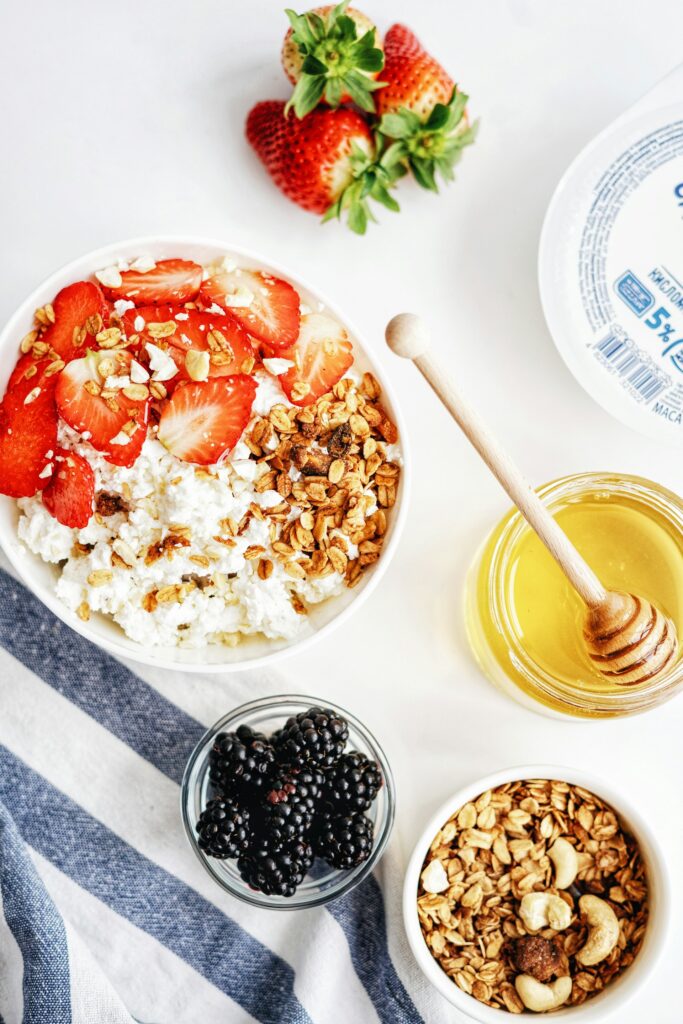
Breakfast: 200g cottage cheese + sliced strawberries + a drizzle of raw honey + walnuts. High in protein, calcium, and healthy fats. Takes 2 minutes. Alternatively, blend cottage cheese into pancake batter for a high-protein breakfast that tastes indistinguishable from standard pancakes.
Lunch: Large curd cottage cheese on wholegrain toast with sliced cucumber, cherry tomatoes, cracked black pepper, and fresh chives. A simple, fast, complete lunch delivering 25–30g protein with fibre and vegetables.
Snack: Cottage cheese blended smooth with a pinch of salt and garlic, used as a protein-rich dip for vegetables or wholegrain crackers. Approximately 20g protein per 200g serving at 200 calories.
Pre-bed: 200g plain cottage cheese 30 minutes before sleep — the single most evidence-backed application of all cottage cheese benefits. The casein protein digests slowly through the night, feeding muscle protein synthesis during the 7–8 hour overnight fast. For athletes building muscle, this is one of the highest-leverage nutritional habits available. Our guide on high protein foods for muscle building covers the full pre-sleep protein evidence base in context.
Cooking: Blend and substitute for cream in pasta sauces (carbonara, alfredo), use in place of ricotta in lasagne and stuffed pasta, stir into mashed potato for extra protein, or use as a base for dressings and dips. The cottage cheese benefit in cooking is invisible to taste but significant nutritionally — every serving adds 10–14g protein per 100g used.
Frequently Asked Questions
What are the main cottage cheese benefits?
The core cottage cheese benefits are: very high protein content (11g/100g, 80% casein for slow release), exceptional muscle building and overnight recovery support, strong weight loss and satiety effects, bone health through calcium and phosphorus, blood sugar management through low glycaemic impact, thyroid protection through selenium, gut health through live probiotic cultures, and cardiovascular support through fermented dairy bioactive compounds. A 2025 King’s College London review in Critical Reviews in Food Science and Nutrition identified cottage cheese as having evidence across cardiometabolic, gastrointestinal, body composition, and appetite regulation outcomes.
Is cottage cheese good for weight loss?
Yes — cottage cheese benefits for weight loss are well-evidenced. Its high protein content suppresses hunger hormones, its casein protein provides prolonged satiety, and its protein-to-calorie ratio (11g protein per 98 calories per 100g) is one of the best of any whole food. Research consistently shows high-protein dairy consumption supports weight loss and healthy body composition. Choose 1% or 2% milkfat varieties for the best protein density without excess calories, and eat it plain — flavoured cottage cheese often contains added sugar that reduces its weight management benefits.
Is it okay to eat cottage cheese every day?
For most healthy adults, eating cottage cheese daily is safe and beneficial. The cottage cheese benefits are most reliably accessed through consistent daily consumption rather than occasional use. The main considerations for daily eating are: sodium content (choose low-sodium varieties if managing blood pressure), fat intake (consider 1–2% options if managing saturated fat), and variety (include other protein sources to ensure a full amino acid profile across the day). There is no established upper safe limit for cottage cheese consumption in healthy adults — eat it in amounts that fit your overall dietary goals.
Can cottage cheese help build muscle?
Yes — cottage cheese benefits for muscle building are among the most well-evidenced of any whole food. Its 80% casein protein content digests over 6–8 hours, providing a sustained amino acid release that is particularly effective during sleep, when muscle protein synthesis peaks. Research shows pre-sleep casein protein consumption increases overnight muscle protein synthesis by approximately 22%. Eating 200g cottage cheese before bed is the most practical food-based way to implement this strategy. Combined with adequate daytime protein from other sources, cottage cheese is one of the most powerful tools in a muscle-building nutrition plan.
🌿 The Protein Food You’ve Been Overlooking
Cottage cheese benefits are real, wide-ranging, and backed by a growing body of clinical evidence. It is one of the most protein-efficient, versatile, and affordable foods in any health-conscious kitchen. Whether you eat it for muscle building, weight loss, bone health, or simply as a daily protein staple — make room for it in your routine. Your body will notice the difference. 💚
✍️ About the Author
This article was written by the editorial team at Blooming Vitality, a health and wellness platform dedicated to evidence-based nutrition guidance. Our content is reviewed for accuracy against current peer-reviewed research and dietitian-approved guidelines.