
⚡ TL;DR — Best Tea for Sore Throat
- The best teas for sore throat are chamomile, ginger, marshmallow root, slippery elm, and licorice root — each working through different soothing, anti-inflammatory, or coating mechanisms.
- Adding Manuka honey (1–2 tsp, added when the tea cools below 60°C to preserve MGO) significantly enhances antibacterial and soothing benefits.
- Warm temperature is important — hot enough to soothe but not so hot it further irritates inflamed tissues.
- Green tea has antioxidant and anti-inflammatory EGCG content; peppermint provides menthol numbing; lemon adds vitamin C and acidity that kills bacteria.
When your throat is sore, raw, or scratchy, a warm cup of the right tea can make a meaningful difference — not just in comfort but in actual healing. The best tea for sore throat isn’t just warm liquid; it’s a delivery vehicle for anti-inflammatory, antimicrobial, and demulcent (throat-coating) compounds that directly address what’s happening in inflamed throat tissues. Different teas work through different mechanisms — and choosing the right one for your specific symptoms can significantly improve relief. This guide covers the seven best teas for sore throat, their mechanisms, how to prepare them optimally, and how to supercharge them with honey.
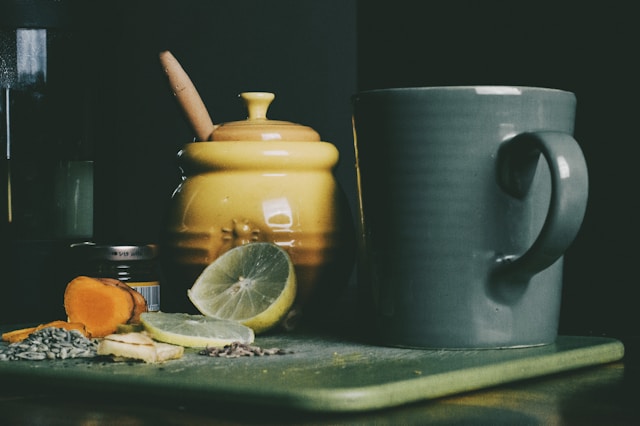
1. Chamomile Tea — Best for Inflammation and Relaxation
Chamomile is arguably the best tea for sore throat when inflammation and irritation are the primary complaint. Chamomile’s active compounds — primarily apigenin and chamazulene — have well-documented anti-inflammatory, antispasmodic, and mild analgesic properties. These reduce throat tissue inflammation, ease the spasms that cause that painful swallowing reflex, and help you relax — which is particularly useful when throat pain is disrupting sleep. Chamomile also has mild antiviral and antibacterial properties. Brew it slightly stronger than usual (2–3 minutes steeping), add honey, and sip slowly for maximum contact time with throat tissues.
2. Ginger Tea — Best for Antimicrobial Action and Warmth
Ginger is one of the most medicinally active herbs in the sore throat arsenal. Hence, it makes one of the best tea for sore throat. Gingerols and shogaols in ginger have potent anti-inflammatory and antimicrobial effects — directly addressing bacterial throat infections. Ginger also improves local circulation to throat tissues, supporting immune cell delivery and accelerating healing. The warming sensation ginger produces in the throat is genuinely soothing for pain. For the best sore throat tea with ginger: use fresh ginger (slice 4–5 pieces of fresh root and simmer for 10–15 minutes — significantly more potent than tea bags), add lemon juice and honey. Manuka honey + ginger + lemon is a powerful antimicrobial combination.
💡 Honey Temperature Tip: Always add honey after your tea has cooled to below 60°C — boiling water destroys the MGO and beneficial enzymes in Manuka honey that provide its therapeutic effect. If the cup is too hot to hold comfortably, it’s too hot for the honey. This applies to all medicinal uses of honey.
3. Marshmallow Root Tea — Best for Coating and Protecting
Marshmallow root (Althaea officinalis) is less well-known than chamomile or ginger, but it may be the single most effective best tea for sore throat for intense raw irritation. It contains mucilage — a gel-like polysaccharide that dissolves in water to form a slippery, coating film on throat mucosa. This protective coating physically reduces friction and irritation with every swallow, provides a barrier against further irritation, and reduces the inflammatory response. The coating effect is fast and lasts for some time after drinking. It’s the most demulcent (throat-coating) of all herbal teas and is particularly valuable when swallowing is very painful.
4. Slippery Elm Tea — Best for Intense Throat Irritation
Slippery elm (Ulmus rubra) works similarly to marshmallow root — its bark contains mucilage that forms a protective, soothing coating on irritated mucosal surfaces. It’s been used by Native American healers for throat conditions for centuries, and is now recognised in herbal medicine for its demulcent, anti-inflammatory, and antioxidant properties. Slippery elm and marshmallow root are sometimes combined for maximum coating effect in throat comfort teas. Brew from bark powder mixed directly into hot water — it doesn’t steep like a leaf tea — and stir thoroughly before drinking with honey. Have it and you will understand why it is the best tea for sore throat.
5. Licorice Root Tea — Best for Anti-inflammatory Pain Relief
Licorice root (Glycyrrhiza glabra) contains glycyrrhizin — a compound with potent anti-inflammatory properties that inhibit prostaglandin production (the same mechanism as NSAIDs like ibuprofen). It also has documented antiviral properties relevant to upper respiratory infections. Clinical studies have found licorice root gargles effective for sore throat pain, particularly when used before medical procedures like intubation. As the best tea for sore throat specifically targeting pain, licorice root is highly effective — but should not be used daily for more than 4–6 weeks or in people with high blood pressure, as glycyrrhizin can raise blood pressure with prolonged use.
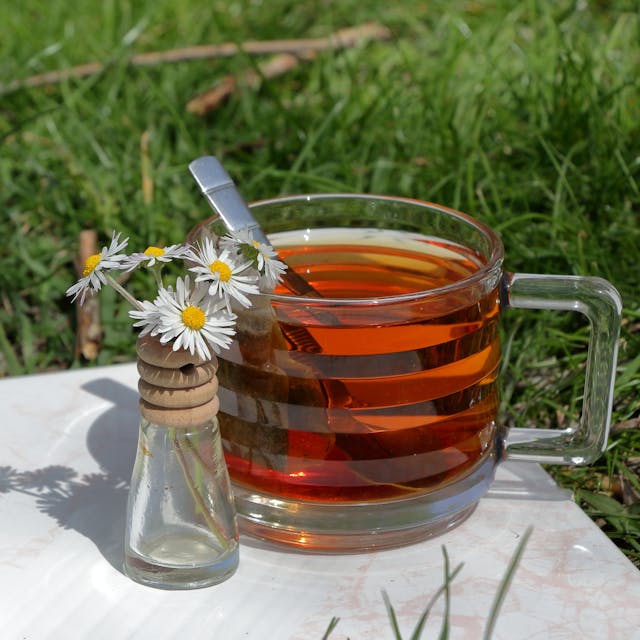
6. Green Tea — Best for Antioxidant Support
Green tea’s EGCG (epigallocatechin gallate) has anti-inflammatory, antioxidant, and antiviral properties. As a sore throat tea, green tea provides antioxidant support during infection, reduces oxidative stress at the throat tissue level, and its catechins have direct inhibitory effects against influenza virus and certain bacteria. It contains caffeine — which is mildly decongestant — but this also means it can mildly dehydrate. Brew at 70–80°C (not boiling — boiling destroys EGCG) and add honey. For those wanting caffeine-free options, all the other teas on this list are caffeine-free. It is still the best tea for sore throat – try to be sure for yourself!
7. Peppermint Tea — Best for Numbing and Cooling Relief
Peppermint’s menthol content provides a distinctive, immediate cooling and numbing sensation — activating TRPM8 cold receptors in throat tissues that effectively override pain signals. This provides rapid, if temporary, pain relief that is genuinely useful during acute sore throat flare-ups. Peppermint is also a mild decongestant, which helps with the nasal congestion that often accompanies sore throats. Don’t brew peppermint too hot — a slightly cooler brew allows you to inhale the menthol vapours as you drink, which adds nasal decongestant benefit. Note: peppermint can worsen acid reflux — avoid if you’re prone to GERD.
For the complete guide to the best tea for sore throat and other sore throat approaches, see our sore throat remedies guide and manuka honey benefits guide.
🍵 Your best tea for sore throat depends on your primary symptom:
Intense irritation → marshmallow root or slippery elm. Inflammation and pain → chamomile or licorice root. Infection → ginger with lemon and Manuka honey. Antioxidant support → green tea. Numbing relief → peppermint. All of them benefit from a spoonful of Manuka honey.
Disclaimer: Herbal teas are complementary remedies, not medical treatments. Consult a healthcare professional if sore throat is severe, persistent, or accompanied by high fever.