⚡ TL;DR — Organic Castor Oil
- Organic castor oil is cold-pressed from pesticide-free Ricinus communis seeds — look for USDA Organic or COSMOS certification and hexane-free extraction.
- Its primary active compound, ricinoleic acid (around 80% of the oil), drives most of its anti-inflammatory, antimicrobial, and moisturising benefits.
- Best used topically for skin, hair, lashes, brows, and nails — internal use as a laxative is FDA-approved but not recommended for regular or long-term use.
- Always patch test first — castor oil can cause allergic reactions in some people, particularly those sensitive to Euphorbiaceae plant family.
Organic castor oil has become one of the most popular natural wellness oils — and the “organic” distinction matters more than most people realise. Not all castor oil is equal: conventional varieties may be extracted using chemical solvents like hexane, grown with pesticide residues, or refined in ways that degrade the active compounds responsible for its benefits. This guide explains exactly what to look for when buying organic castor oil, what its ricinoleic acid content actually does in the body, and how to use it effectively across a wide range of applications.
What Is Organic Castor Oil?
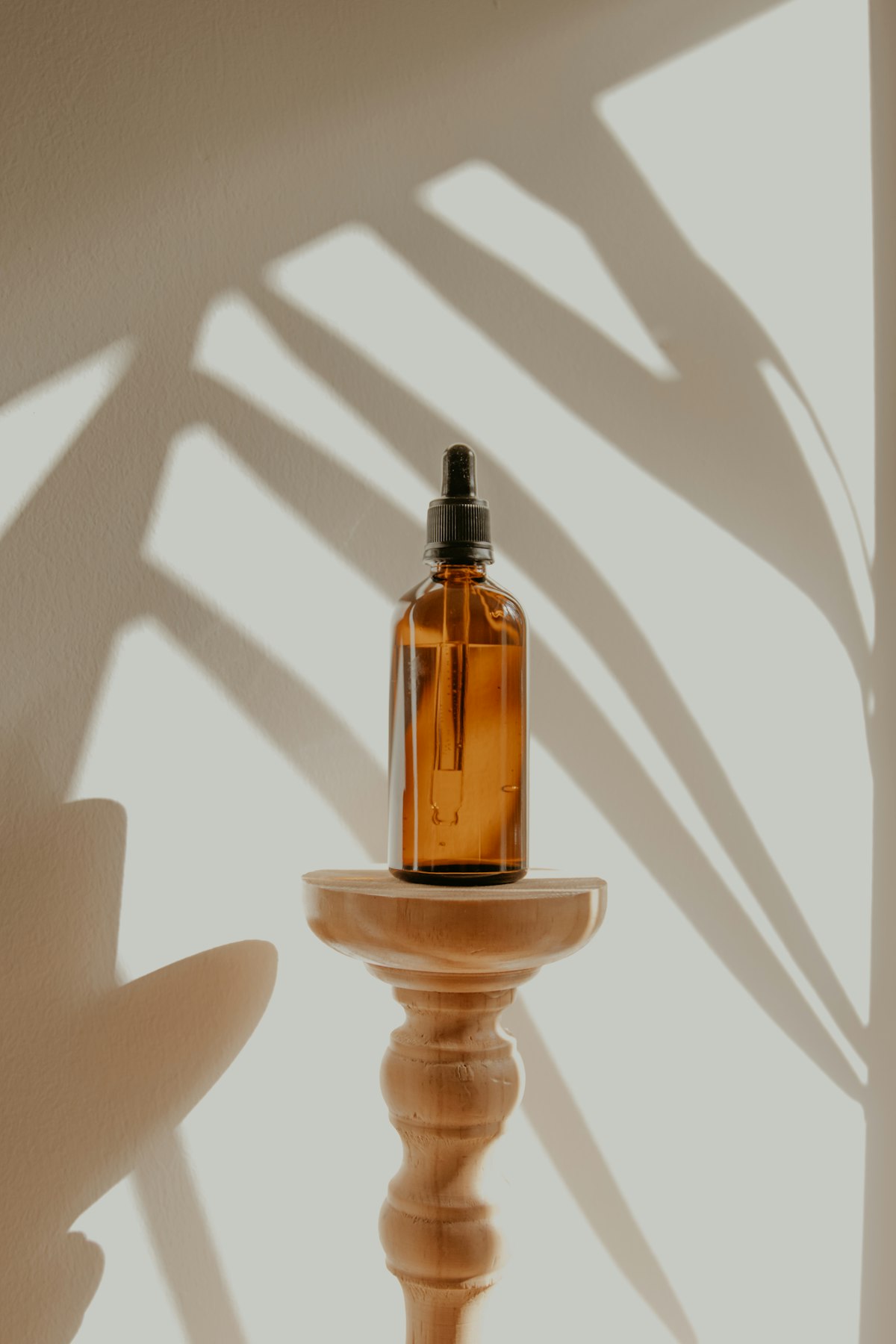
Organic castor oil is extracted from the seeds of Ricinus communis, a plant native to tropical Africa and Asia. “Organic” means the seeds are grown without synthetic pesticides or fertilisers, and the oil is extracted through cold-pressing — a mechanical process that applies pressure without heat or chemical solvents to preserve the full nutrient and fatty acid profile. This is in contrast to solvent-extracted or refined castor oil, which may use hexane (a petrochemical solvent) and subsequent heat or bleaching processes that reduce quality.
The result of cold-pressing organically grown seeds is an oil that retains its full ricinoleic acid content (typically 80–85%), along with naturally occurring vitamin E, omega-6 and omega-9 fatty acids, and a range of antioxidants. The colour of quality organic castor oil is pale yellow to golden — darker or very dark oils may indicate poor processing or degradation.
The Science: What Ricinoleic Acid Does
Ricinoleic acid is the compound that makes organic castor oil uniquely effective compared to other plant oils. It’s a monounsaturated fatty acid that makes up roughly 80% of castor oil’s composition — a proportion found in virtually no other natural oil. Ricinoleic acid works through several mechanisms: it binds to EP3 prostanoid receptors in smooth muscle tissue, producing anti-inflammatory and antispasmodic effects; it has demonstrated antimicrobial activity against a range of bacteria and fungi in laboratory studies; and its molecular structure allows it to penetrate deeper into skin layers than most other oils, carrying moisture and active compounds with it.
According to WebMD’s medically reviewed overview, castor oil’s ricinoleic acid content may help reduce inflammation when applied topically, and has antibacterial and antimicrobial properties that support wound healing. A 2023 clinical trial also found that creams containing castor oil were an effective treatment for under-eye dark circles (infraorbital hyperpigmentation), according to Medical News Today.
💡 Did You Know? Organic castor oil has one of the highest proportions of ricinoleic acid of any naturally occurring oil — approximately 80%. For comparison, most plant oils contain less than 1% of this compound. This unusual concentration is what gives castor oil its distinctive thick consistency and broad therapeutic properties.
Top Uses for Organic Castor Oil
Skin Moisturiser and Barrier Repair
Organic castor oil is an excellent emollient — it creates a moisture-retaining barrier on the skin surface while its ricinoleic acid penetrates deeper to hydrate and soothe. It’s particularly effective for very dry skin, cracked heels, chapped lips, and rough elbows. Because it’s thick and slightly sticky, it’s best used at night or mixed with a lighter carrier oil (like jojoba or almond) for daytime application.
Hair Growth and Scalp Health
Applied to the scalp, organic castor oil improves circulation, reduces scalp inflammation, and provides antifungal protection — creating better conditions for hair growth. Its ricinoleic acid has been shown to block prostaglandin D2, a compound associated with hair follicle miniaturisation. Results for hair growth typically become visible after 4–6 weeks of consistent weekly application. See our dedicated guide on natural oils for hair growth for a broader comparison of options.
Eyelash and Eyebrow Conditioning
One of the most popular uses for organic castor oil is nightly application to lashes and brows. Using a clean mascara wand or cotton swab, apply a small amount before bed. While evidence for dramatic growth is largely anecdotal, the conditioning and moisturising effects are well-supported — reducing brittleness and breakage which in turn makes lashes appear thicker and fuller over time.
Castor Oil Packs (Abdominal Use)
Castor oil packs — saturating a flannel cloth with organic castor oil and placing it over the abdomen with gentle heat — are a traditional wellness practice with a long history in naturopathic medicine. Proponents use them for liver support, digestive health, and relaxation. The evidence base is limited but promising, with some research suggesting anti-inflammatory effects through transdermal absorption of ricinoleic acid.
Nail and Cuticle Care
Massaging a drop of organic castor oil into each nail and cuticle nightly strengthens brittle nails, reduces cuticle dryness, and improves overall nail health. Its deep-penetrating fatty acids nourish the nail matrix — the tissue responsible for nail growth — from the outside in.
How to Choose a Quality Organic Castor Oil
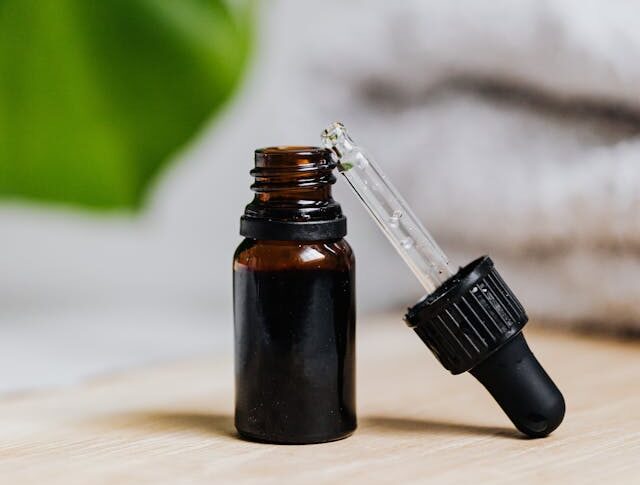
When buying organic castor oil, look for these key indicators of quality. Certification: look for USDA Organic, COSMOS Organic, or ECOCERT certification — these third-party certifications verify both the organic growing conditions and the extraction process. Extraction method: the label should specify “cold-pressed” and ideally “hexane-free” — this confirms no chemical solvents were used. Packaging: quality organic castor oil should be sold in dark glass bottles (amber or blue), which protect the oil from light degradation that reduces ricinoleic acid potency. Colour: pale to golden yellow. Texture: thick and slightly viscous. Smell: mild, slightly nutty. If the oil smells rancid, chemical, or very harsh, it’s not a quality product. Avoid very cheap options — organic cold-pressed castor oil requires more careful processing than conventional varieties and should be priced accordingly.
Common Organic Castor Oil Misconceptions
“Cold-pressed and expeller-pressed are the same thing.” They’re not. Cold-pressing involves no added heat throughout the process. Expeller-pressing uses mechanical friction that generates heat — which can degrade some heat-sensitive compounds. For skincare and hair applications, cold-pressed is the superior choice. That said, some sources note that expeller-pressing at controlled temperatures removes the toxic ricin compound, making it safer for sensitive applications like eyelids.
“Organic castor oil is safe to take internally long-term.” The FDA approves castor oil as a temporary laxative, but it is not intended for long-term or regular internal use. Prolonged internal use can cause electrolyte imbalances and intestinal irritation. It is also contraindicated during pregnancy. Internal use should only be considered under medical supervision.
“More is better for skin and hair.” Castor oil is extremely thick — applying too much leaves a heavy, sticky residue that can clog pores (it has a comedogenic rating of 1, generally considered non-comedogenic, but thick applications on oily or acne-prone skin may still cause issues). A small amount goes a very long way.
How to Build an Organic Castor Oil Routine
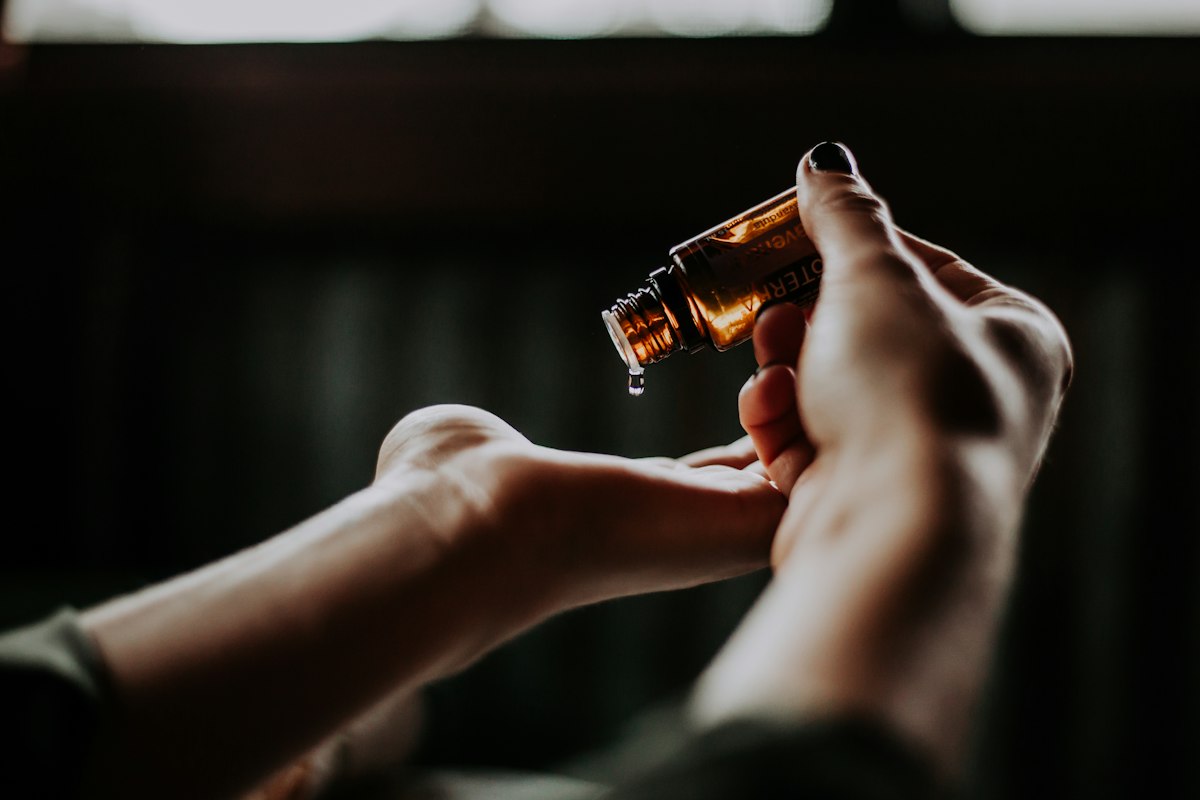
A practical organic castor oil routine: evening body application to dry patches, cracked heels, or cuticles (leave overnight, rinse in morning shower); 1–2x weekly scalp treatment (apply to scalp, massage for 5 minutes, leave for 30–60 minutes before shampooing); nightly lash and brow conditioning with a clean applicator. Because of its thickness, diluting castor oil 50:50 with jojoba, argan, or almond oil makes it more comfortable to apply and easier to spread. For more natural oil wellness guides, explore our Natural Remedies section at Blooming Vitality. The Medical News Today castor oil review and WebMD’s castor oil guide provide solid evidence-based overviews.
Safety & When to See a Doctor
Always perform a patch test before applying organic castor oil to large skin areas — apply a small amount to the inner forearm, leave for 24 hours, and check for redness, swelling, or itching before proceeding. People with known allergies to Euphorbiaceae family plants (which includes rubber tree, poinsettia) have a higher risk of castor oil sensitivity. Consult a doctor before internal use, especially if pregnant, nursing, or managing a digestive condition. If skin irritation develops with topical use, discontinue and see a dermatologist.
🌿 Organic castor oil is a small-bottle, big-impact wellness staple.
Look for cold-pressed, certified organic in a dark glass bottle — and start with just a few drops. Its ricinoleic acid richness means a little goes a long way for skin, hair, lashes, and nails alike.
Disclaimer: This article is for informational purposes only and does not constitute medical advice. Consult a qualified healthcare professional before internal use of castor oil or if you experience adverse reactions.