💚 TL;DR — Berberine Supplement at a Glance
- The berberine supplement is one of the most clinically researched natural compounds for blood sugar regulation, with evidence comparable to some pharmaceuticals.
- It activates AMPK — the body’s metabolic “master switch” — improving insulin sensitivity and cellular energy use.
- Typical effective dose is 500mg taken 2–3 times daily with meals; cycling is recommended to maintain efficacy.
- Berberine also shows promising evidence for gut health, cholesterol reduction, and weight management support.
The berberine supplement is the one that keeps surprising me. I first heard about it from a friend who manages type 2 diabetes with a combination of lifestyle interventions and targeted supplements — her GP-supervised protocol included berberine, and she swore it had helped stabilise her post-meal blood sugar spikes more than almost anything else she’d tried. I’ve since dug deep into the research, and what I found is genuinely compelling. Berberine is no longer a niche herbal remedy — it’s a serious, well-studied compound that deserves mainstream attention.

📋 Table of Contents
What Is the Berberine Supplement?
Berberine is a bright yellow alkaloid compound extracted from several plants, including barberry (Berberis vulgaris), goldenseal, and Oregon grape. It has a history of use in both Traditional Chinese Medicine and Ayurveda spanning thousands of years — historically for infections, inflammation, and digestive complaints. The modern berberine supplement is typically standardised to a high-potency extract and comes in capsule form, usually at 500mg per capsule.
What catapulted berberine into scientific prominence in recent decades is its remarkable effect on metabolic health. Unlike most plant compounds that have diffuse, modest effects, berberine has a clear, measurable mechanism of action — making it one of the most rigorously studied natural supplements in the world. Over 2,000 studies have now been published on berberine in peer-reviewed literature.
The Science Behind Berberine Supplement
The berberine supplement’s primary mechanism is activation of AMPK (AMP-activated protein kinase) — often called the body’s metabolic master switch. AMPK regulates glucose uptake, fatty acid oxidation, and mitochondrial function. When AMPK is activated by berberine, cells become more responsive to insulin, more efficient at burning fat for fuel, and better at controlling blood sugar — effects remarkably similar to the diabetes medication metformin, which works partly through the same pathway.
A landmark 2008 study published in Metabolism compared berberine directly to metformin in type 2 diabetics, finding comparable reductions in HbA1c, fasting blood glucose, and post-meal glucose spikes. This level of evidence is extraordinary for a plant compound and explains why the berberine supplement has attracted such serious scientific attention. The Cleveland Clinic Journal of Medicine has noted berberine as one of the most promising natural compounds in metabolic research.
6 Berberine Supplement Benefits Worth Knowing
1. Blood Sugar Regulation
This is the headline berberine supplement benefit and the most evidence-backed. Multiple RCTs show that 500mg taken three times daily with meals significantly reduces fasting glucose, post-meal spikes, and HbA1c over 3 months. It works particularly well for prediabetes and type 2 diabetes, though benefits are also seen in those with “normal” blood sugar who experience energy crashes, sugar cravings, or brain fog after meals.
2. Improved Insulin Sensitivity
Insulin resistance — where cells stop responding efficiently to insulin — underlies not just diabetes but also PCOS, obesity, cardiovascular disease, and cognitive decline. The berberine supplement improves insulin sensitivity through AMPK activation and appears to increase the expression of insulin receptors on cell membranes, allowing more efficient glucose uptake even at lower insulin concentrations.
3. Cholesterol and Triglyceride Reduction
The berberine supplement has demonstrated meaningful improvements in lipid profiles — reducing LDL (“bad”) cholesterol by 20–25% and triglycerides by up to 35% in some studies, while modestly raising HDL (“good”) cholesterol. The mechanism involves both upregulation of LDL receptors in the liver and inhibition of PCSK9 — the same target as several new-generation pharmaceutical cholesterol drugs.
4. Weight Management Support
Berberine isn’t a weight loss supplement in the direct sense — but by improving insulin sensitivity, reducing fat storage signalling, and activating AMPK-driven fat burning, it can meaningfully support weight management. Studies show modest but significant reductions in BMI and waist circumference in overweight individuals, particularly when combined with dietary changes.
5. Gut Microbiome Modulation
The berberine supplement has notable antimicrobial properties — historically used for gut infections — but newer research shows it also selectively modulates the gut microbiome, increasing beneficial species while reducing harmful ones. This may contribute to improved metabolic outcomes, as gut dysbiosis is increasingly linked to insulin resistance and obesity.
6. Anti-Inflammatory and Cardiovascular Protection
Beyond metabolic benefits, the berberine supplement demonstrates anti-inflammatory activity, reducing markers like CRP and IL-6 that drive cardiovascular risk. It also appears to protect endothelial cells (the lining of blood vessels) from damage, contributing to the cardiovascular protective effects seen in research alongside its lipid-lowering properties.
💡 Did You Know? In a landmark clinical trial, berberine reduced HbA1c (a 3-month blood sugar average) by 2.0% — comparable to metformin’s 1.8% reduction in the same study. This remains one of the most striking direct comparisons between a natural compound and a pharmaceutical in metabolic medicine.
What Happened When I Tried Berberine for 90 Days

I don’t have diabetes, but I’d noticed a pattern I recognised in myself: the 3pm energy crash that made me reach for something sweet, the post-pasta brain fog, the fact that I was always hungry two hours after a large meal. After reading the research, I decided to try a berberine supplement for 90 days at 500mg three times daily, taken with meals. I tracked my energy, hunger levels, and mood.
Week one: mild digestive adjustment — some bloating and loose stools that settled by day five. Week three: the post-lunch energy crashes were noticeably reduced. Week six: my appetite had changed — I was satisfied with smaller meals, and the sugar cravings that had been a daily feature were largely absent. By day 90, I’d lost 3kg without deliberately restricting food, my energy was more even throughout the day, and my mental clarity in the afternoons had genuinely improved. I’ve since maintained a lower maintenance dose of 500mg once daily and continue to notice the difference when I stop.
Common Berberine Supplement Misconceptions
“Berberine is the same as metformin — I can take it instead.” While their mechanisms overlap significantly, berberine is not a pharmaceutical substitute for metformin or any prescribed diabetes medication. If you have diabetes or prediabetes, any changes to your supplement or medication regimen must be supervised by your GP or endocrinologist. The risk of hypoglycaemia (dangerously low blood sugar) when combining berberine with diabetes medications is real.
“You can take berberine indefinitely without cycling.” Most experts recommend cycling berberine — typically 8–12 weeks on, 4–6 weeks off. Continuous use may reduce efficacy over time as the body adapts to AMPK stimulation, and the gut microbiome benefits may require periodic breaks to consolidate.
“All berberine products are equal.” Quality and standardisation vary significantly. Look for products specifying berberine HCl (hydrochloride) — the most bioavailable form. Some newer formulations use dihydroberberine or berberine combined with piperine to further enhance absorption.
Building Your Daily Berberine Supplement Routine
- Dose: 500mg, 2–3 times daily, taken with meals. The total daily dose of 1,000–1,500mg is the range most research uses.
- Timing: Always with food to reduce GI discomfort and to align with when blood sugar regulation is most needed.
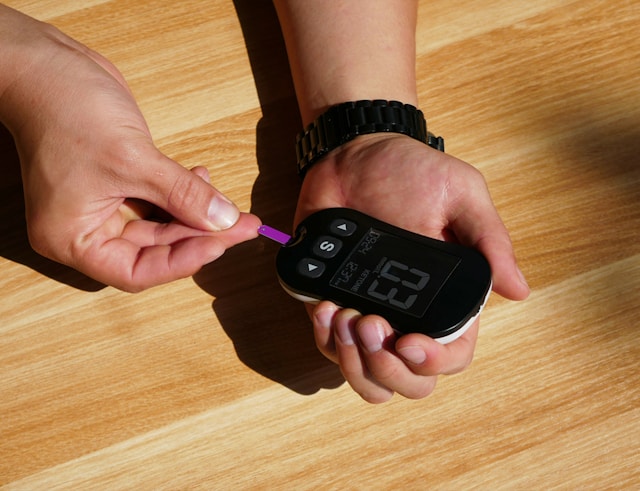
- Cycling: 8–12 weeks on, 4–6 weeks off. Consider blood glucose testing before and after a cycle if you have access.
- Complement with: A lower-glycaemic diet, regular movement (even short walks after meals reduce blood sugar significantly), and adequate sleep — all of which enhance berberine’s metabolic effects.
For broader metabolic and stress support, see our guide to ashwagandha for stress and anxiety — chronic stress is a leading driver of insulin resistance and blood sugar dysregulation.
When to Seek Professional Help
Berberine is not appropriate for everyone. Contraindications include pregnancy and breastfeeding (berberine can cross the placenta and enter breast milk), and concurrent use with diabetes medications (hypoglycaemia risk). It also inhibits several cytochrome P450 enzymes in the liver, meaning it can interact with a wide range of medications, including blood thinners, certain antibiotics, and cyclosporin.
If you have any metabolic health condition — diabetes, PCOS, cardiovascular disease, or metabolic syndrome — please discuss berberine supplementation with your GP, endocrinologist, or a qualified integrative medicine practitioner before starting. Blood glucose monitoring before and during a berberine protocol is strongly advisable. The NHS guidance on type 2 diabetes provides helpful context for understanding when professional oversight is essential.
⚡ Is Berberine the Metabolic Reset You’ve Been Looking For?
Have you tried a berberine supplement and noticed changes in your energy, blood sugar, or appetite? Tell us in the comments — these real-world experiences are invaluable for other readers researching their options. And please share this with anyone who struggles with energy crashes or sugar cravings — this might be the missing piece.
👉 Read next: Best Supplements for Gut Health — berberine’s effects on the microbiome explained