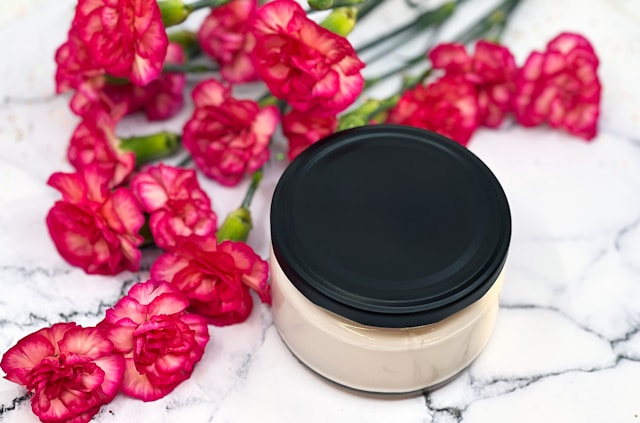
⚡ TL;DR — Beef Tallow for Skin
- Beef tallow for skin is a thick, occlusive moisturiser that can reduce water loss from dry skin — but Cleveland Clinic dermatologists state there is no evidence it is “good” for skin specifically.
- A 2025 Journal of Cosmetic Dermatology study found most social media claims about tallow skincare were financially biased and evidence was insufficient.
- It lacks ceramides — the molecules your skin barrier actually needs — limiting its ability to meaningfully repair the skin barrier.
- Safe for very dry, non-acne-prone skin as a basic moisturiser; avoid on oily, acne-prone, or sensitive skin — it can clog pores and trigger breakouts.
Beef tallow for skin is one of the most hotly debated skincare topics in the wellness community right now. Influencers claim it’s an ancestral skincare miracle — the only moisturiser your great-grandmother ever needed, rich in vitamins and perfectly matched to human skin. Sceptics (and most dermatologists) point out that the evidence is thin, the claims are often financially motivated, and purpose-formulated moisturisers almost certainly outperform it. The truth, as usual, sits somewhere between revolutionary and useless. This guide gives you the honest picture — what beef tallow actually does on skin, what the science says, who it might genuinely suit, and who should avoid it.
What Is Beef Tallow for Skin?
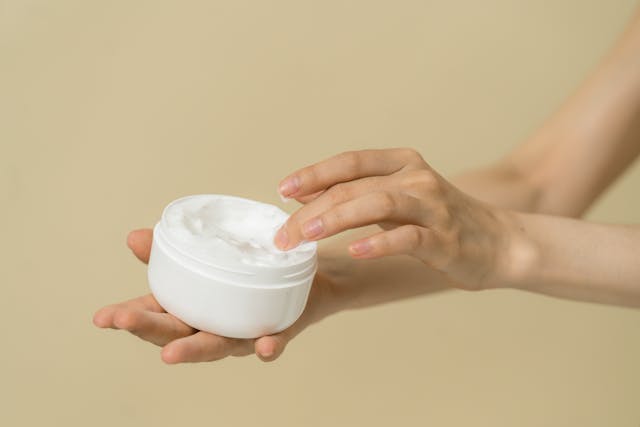
Beef tallow for skin uses the same rendered cow fat used in cooking — but applied topically as a moisturiser rather than eaten. Tallow is primarily saturated and monounsaturated fat (including oleic acid, the same fat in olive oil), with small amounts of fat-soluble vitamins A, D, E, and K, and a modest amount of conjugated linoleic acid (CLA). The “ancestral skincare” movement claims that tallow’s fat profile closely mirrors human sebum (skin oil), making it a more natural and compatible moisturiser than synthetic alternatives. The fat similarity argument has some basis — both tallow and sebum contain significant oleic acid — but this parallel is regularly overstated in social media discourse. Human sebum contains approximately 57% oleic acid; beef tallow contains around 42–44%, alongside a much higher proportion of saturated fat than sebum typically does.
The Claims Being Made About Beef Tallow for Skin
The claims made about beef tallow for skin on social media and in wellness communities include: that it deeply nourishes the skin barrier; that it treats eczema, psoriasis, and dermatitis; that it eliminates wrinkles and signs of ageing; that it protects against sun damage; that it is anti-inflammatory; that it delivers vitamins directly into the skin; and that it’s superior to any manufactured moisturiser. These are very significant claims. The problem is that clinical evidence supporting most of them is essentially absent. As a 2025 analysis in the Journal of Cosmetic Dermatology found when examining social media posts promoting tallow-based skincare: the majority were made by individuals with financial stakes in tallow products, lacked dermatological credentials, and could not be validated against published clinical research.
💡 Did You Know? The most cited “scientific” argument for beef tallow on skin — that its fat composition matches human sebum — actually understates a critical difference. Human sebum is roughly 12% wax esters, which tallow doesn’t contain at all. These wax esters play an important role in maintaining skin surface lipid balance. The similarity between tallow and sebum is real but partial — and the differences matter for skin biology.
What the Evidence Actually Shows
The honest clinical picture for beef tallow for skin is modest. Cleveland Clinic dermatology resident Dr. Angela Wei states directly: there is no evidence that beef tallow is good for skin. Its primary documented effect is basic occlusion — it creates a physical barrier on the skin surface that reduces transepidermal water loss (TEWL). This moisturising mechanism is the same as petroleum jelly, lanolin, or any other occlusive agent. A 2024 Cureus review found that tallow may improve skin moisture by increasing surface fatty acid content — but comparable or superior results were achieved by pumpkin seed oil and linoleic acid in the same study, both of which have more evidence behind them. Cleveland Clinic dermatologist Dr. Mika Tabata notes that tallow lacks ceramides entirely — the lipid molecules that actually constitute and repair the skin barrier. Without ceramides, tallow cannot meaningfully restore a compromised skin barrier the way ceramide-rich moisturisers can. The vitamins A, D, E, and K present in tallow are genuinely beneficial skin-relevant nutrients — but in the concentrations found in tallow and at typical application volumes, the doses delivered to skin cells are not clinically significant.
What Beef Tallow Lacks for Skin Health
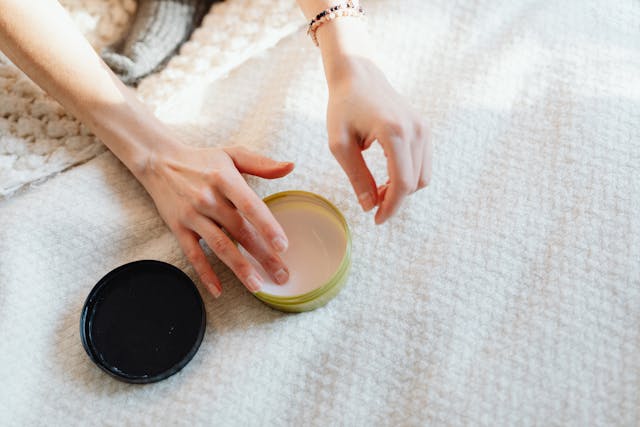
For anyone seriously interested in skin barrier health, it’s important to understand what beef tallow for skin cannot provide compared to evidence-based skincare. Ceramides: the dominant lipid in the skin barrier (making up approximately 50% of the stratum corneum’s lipid content), essential for barrier repair. Tallow contains none. Hyaluronic acid: a humectant that draws water into the skin from the environment — tallow is purely occlusive (seals water in) but cannot add hydration from outside. Niacinamide: a form of vitamin B3 with extensive clinical evidence for reducing inflammation, improving barrier function, reducing hyperpigmentation, and managing acne — absent in tallow. Retinoids: vitamin A derivatives with decades of clinical evidence for anti-ageing and skin renewal — while tallow contains some retinol, the concentration is far below therapeutic doses. Purpose-formulated moisturisers combine occlusives, humectants, and emollients in optimised ratios — along with ceramides, active ingredients, and stability testing — which tallow as a raw ingredient simply cannot replicate.
Who Might Genuinely Benefit From Beef Tallow for Skin
Despite the overhyped claims, there are people for whom beef tallow for skin may provide real, if modest, benefit. People with very dry, non-acne-prone skin who have reactions to common synthetic moisturiser ingredients (like fragrance, preservatives, or silicones) may find tallow a tolerable basic occlusive. Those with extremely irritated, cracked skin (severe dryness, windburn, or occupational skin damage) may benefit from tallow’s occlusive properties as part of a protective skin protocol — similar to how some people use petroleum jelly for the same purpose. People following a strict ancestral or whole-food lifestyle who prefer animal-derived products over synthetics can use tallow safely on dry areas, patch testing first. Grass-fed tallow has a modestly better fatty acid and vitamin profile than grain-fed tallow, so sourcing matters if you’re making this choice. For most people, however, it’s likely to deliver less than a well-formulated ceramide moisturiser — not more.
How to Use Beef Tallow on Skin
If you want to try beef tallow for skin: start with a patch test — apply a small amount to the inner forearm and wait 24 hours to check for reaction. Apply to clean, slightly damp skin — dampness improves occlusive effectiveness. Use a small amount — tallow is dense and a little goes a long way. Apply to body areas rather than face initially, especially if you have any tendency toward breakouts. Store in an airtight glass jar away from heat and light — or refrigerate for extended freshness. Use grass-fed tallow from a reputable supplier. Don’t replace your existing ceramide moisturiser with tallow unless you’ve confirmed tallow works well for your skin — the clinical evidence strongly favours ceramide-rich products for skin barrier support. For broader evidence-based skincare guidance, the Cleveland Clinic’s beef tallow skin review is an excellent current reference. Our complete beef tallow guide covers both cooking and skin uses in detail.
Who Should Avoid Beef Tallow on Skin
Avoid beef tallow for skin if: you have oily or acne-prone skin — tallow’s thick occlusive properties can clog pores and worsen breakouts significantly. Those with a beef allergy or sensitivity should not use it topically. If you have rosacea, seborrheic dermatitis, or any condition involving excess sebum or pore congestion, avoid it. People with eczema or psoriasis should use clinically validated moisturisers with ceramides and consult a dermatologist — the evidence for tallow in these conditions is anecdotal at best and potentially harmful at worst. Never apply tallow to open wounds, infected skin, or active acne lesions. As with all unregulated cosmetic ingredients, there are no standardised formulations, purity testing requirements, or contamination controls on tallow sold for skincare — quality varies significantly between suppliers.
🧴 Beef tallow is a basic occlusive moisturiser — not a revolutionary skincare ingredient.
It can help very dry, non-acne-prone skin retain moisture. It cannot repair your skin barrier, deliver therapeutic vitamins, or outperform ceramide moisturisers. Patch test, use sparingly, and keep realistic expectations.
Disclaimer: This article is for educational purposes only. Skincare decisions should be made with individual skin type and conditions in mind. Consult a dermatologist for persistent skin concerns.