⚡ TL;DR — Beef Tallow
- Beef tallow is rendered cow fat — high in saturated fat, with a small amount of vitamins A, D, E, K and conjugated linoleic acid (CLA).
- For cooking: it has a high smoke point and stable fat profile — but most health authorities still recommend limiting saturated fat to under 10% of daily calories.
- For skin: a 2025 Journal of Cosmetic Dermatology study found most social media claims financially biased and evidence insufficient — Cleveland Clinic’s dermatologist says there is no evidence it’s good for skin.
- It’s not harmful in moderation — but the dramatic wellness claims outpace the science significantly.
Beef tallow is having a moment. Once a cooking staple that was largely replaced by vegetable oils in the late 20th century, rendered cow fat is now being promoted across social media as a superior cooking fat, a revolutionary skincare ingredient, and an ancestral health food. Some of this enthusiasm has a basis in nutritional reality. But a lot of it has significantly outrun the evidence. This guide cuts through the trend to give you a balanced, science-grounded picture of what beef tallow actually is, what it can genuinely offer, and where the claims get exaggerated.
What Is Beef Tallow?
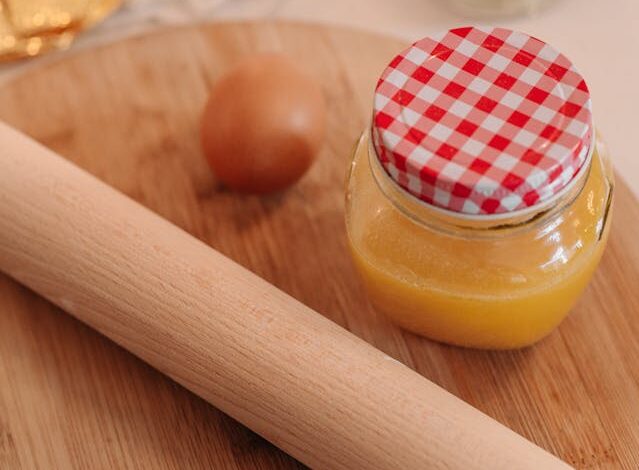
Beef tallow is rendered beef fat — specifically the fat that surrounds the kidneys and other organs of a cow, melted down and purified until it becomes a white, solid fat at room temperature. The rendering process involves slowly heating the raw fat until it liquefies, filtering out connective tissue and other solids, then allowing it to cool and solidify. The result is a shelf-stable fat with a neutral to slightly beefy flavour that has been used in cooking, soap-making, candles, and biofuel for centuries. According to University Hospitals registered dietitian Elizabeth Traxler, beef tallow was commonly used in fast food (McDonald’s used it for frying until the 1990s) before being replaced by vegetable oils due to concerns about saturated fat and cholesterol.
Beef Tallow Nutrition: What’s Actually In It
The nutritional profile of beef tallow is worth understanding clearly. It is primarily saturated fat — about 50% of its fatty acid content. It also contains monounsaturated fats (approximately 42%) including oleic acid (the same heart-healthy fat found in olive oil), and a small proportion of polyunsaturated fats including conjugated linoleic acid (CLA). CLA is associated with potential health benefits including anti-inflammatory properties and possible effects on body composition — but the amounts in tallow are modest. Beef tallow also contains trace amounts of fat-soluble vitamins A, D, E, and K, and vitamin B12. However, as dermatologist Dr. Angela Wei from Cleveland Clinic notes, these vitamins are present in small amounts — not enough to deliver meaningful skin or health benefits through either ingestion or topical application in the volumes typically used.
💡 Did You Know? The USDA Dietary Guidelines 2020–2025 recommend limiting saturated fat to less than 10% of daily calories. For someone eating 2,000 calories per day, that’s about 22 grams of saturated fat — roughly equivalent to 1.5 tablespoons of beef tallow. This doesn’t mean tallow is forbidden, but it does mean it should be used thoughtfully as part of a varied fat intake, not as a primary cooking oil.
Beef Tallow for Cooking: The Real Case
High Smoke Point
Beef tallow has a smoke point of approximately 250°C (480°F) — higher than butter (175°C), unrefined coconut oil (177°C), and extra-virgin olive oil (190°C). This makes it genuinely well-suited for high-heat cooking methods like deep frying, roasting, and searing. At its smoke point, fats begin breaking down and releasing potentially harmful compounds, so a higher smoke point provides a meaningful safety margin for high-temperature cooking. Mayo Clinic Press confirms tallow’s high smoke point as a genuine practical benefit for high-heat cooking.
Flavour Profile
Cooking in beef tallow imparts a subtle, savoury depth of flavour — particularly noticeable in fried foods, roasted potatoes, and seared meat. This is why traditional fish and chips shops use tallow (beef dripping) and why many carnivore and ancestral diet enthusiasts prefer it. The flavour profile is mild enough not to overwhelm most dishes but distinct enough to add character where plain vegetable oils would be neutral.
Stability and Shelf Life
Saturated fats are more chemically stable than polyunsaturated fats — they oxidise more slowly when exposed to heat, light, and air. This means beef tallow has a longer shelf life than many seed oils and is less prone to generating oxidation byproducts when reheated. For people concerned about oxidised seed oils in processed foods, this stability is a legitimate consideration — though it’s worth noting that seed oils used at home under normal cooking conditions also oxidise very slowly.

Beef Tallow for Skin: The Honest Picture
The skin care claims around beef tallow are where the evidence base becomes much thinner. A 2025 cross-sectional analysis published in the Journal of Cosmetic Dermatology examined social media claims about tallow-based skincare and found that the majority of posts promoting it demonstrated financial bias (affiliate links, brand ownership disclosures, sponsored content) and were made by individuals without healthcare credentials. The study concluded that evidence for tallow’s efficacy in skincare is insufficient to support the claims being made.
Cleveland Clinic dermatology resident Dr. Angela Wei states directly: there’s no evidence that beef tallow is good for skin. Its potential effects are limited to basic moisturisation through its occlusive fat content — similar to what petroleum jelly provides, but without the decades of safety testing and hypoallergenic formulation. A 2024 Cureus review found that tallow may help moisturise skin by increasing fatty acid content at the skin surface — but comparable or superior results were achieved by pumpkin seed oil and linoleic acid, which have more established evidence profiles.
Beef Tallow Claims That Outrun the Science
“Beef tallow is better for skin than ceramide moisturisers.” This is not supported. Ceramide-based moisturisers have decades of clinical research behind them, specifically formulated to match the skin’s own lipid matrix, and are proven to repair the skin barrier. Beef tallow lacks ceramides entirely, as Cleveland Clinic’s Dr. Mika Tabata notes — limiting its skin barrier repair potential compared to purpose-formulated moisturisers.
“Beef tallow is anti-inflammatory.” The evidence here is genuinely mixed. University Hospitals dietitian Traxler notes that the research on tallow and inflammation is unclear — some saturated fats may promote inflammation, while CLA may reduce it. The net effect is uncertain, and framing beef tallow as an anti-inflammatory food overstates what the current evidence supports.
“Seed oils are toxic — beef tallow is the safe alternative.” The recent backlash against seed oils is largely unwarranted for home cooking use. Major health organisations (USDA, American Heart Association) continue to recommend unsaturated fats from vegetable and seed oils over saturated fats. The legitimate concern — that seed oils are overrepresent in ultra-processed foods — doesn’t mean seed oils used at home for cooking are dangerous. A balanced approach to dietary fats includes a variety of sources.
How to Use Beef Tallow Responsibly
If you want to incorporate beef tallow into your cooking or skincare, here’s a grounded approach. For cooking: use it occasionally as one fat option among several — particularly for high-heat applications where its smoke point is genuinely advantageous. Keep saturated fat intake within guidelines (under 10% of daily calories) and balance with unsaturated fat sources like olive oil, avocado oil, and oily fish. For skin: if you have very dry skin and want to try a natural occlusive, a small amount applied to clean skin is generally low-risk — but patch test first (leave on forearm for 24 hours), avoid use on acne-prone areas, and don’t expect it to outperform well-formulated moisturisers. Choose grass-fed tallow where possible for a better vitamin and CLA profile. Store in an airtight glass container in a cool, dark place — or refrigerate for extended freshness. For evidence-based nutrition guidance, explore our Nutrition category. The Cleveland Clinic’s beef tallow skin review and University Hospitals’ expert assessment are thorough, current, and medically reviewed.
Who Should Be Cautious With Beef Tallow
People with cardiovascular disease or high LDL cholesterol should be particularly careful about saturated fat intake — including from beef tallow. Those on a fat-restricted diet prescribed by a doctor should not add tallow without medical guidance. For topical use, those with oily or acne-prone skin should avoid it — its thick, occlusive consistency can clog pores and worsen breakouts. Anyone with a beef allergy or sensitivity should not use it topically or orally. If you have rosacea, eczema, or psoriasis, consult a dermatologist before trying any new occlusive on affected skin. As with any unregulated food-as-skincare product, there are no standardised formulations or safety testing requirements — so quality varies significantly between suppliers.
🐄 Beef tallow is a legitimate cooking fat — not a miracle wellness product.
Its high smoke point and stable fat profile make it a practical choice for occasional high-heat cooking. Its skin benefits are modest at best and significantly overstated by social media. Use it in moderation, maintain dietary fat variety, and be sceptical of dramatic health claims that the evidence doesn’t yet support.
Disclaimer: This article is for educational purposes only and is not a substitute for personalised nutritional or medical advice. Consult a qualified healthcare professional if you have cardiovascular conditions or specific dietary needs.