
⚡ TL;DR — CBD Oil for Pain
- CBD oil for pain works by engaging pain receptors, reducing neuroinflammation, and suppressing inflammatory signalling — through multiple pathways simultaneously.
- It is most effective for neuropathic pain, inflammatory pain (arthritis, joint pain), and musculoskeletal pain — with growing clinical evidence for each.
- Effective doses for chronic pain typically range from 50–150 mg daily — significantly higher than product label suggestions.
- Combining sublingual CBD oil with topical CBD cream can provide both systemic and localised pain relief for maximum effect.
CBD oil for pain is one of the most common reasons people turn to hemp supplements — and one of the most practically significant areas of CBD research. Chronic pain affects an estimated 1 in 5 adults globally, and many sufferers are caught between pharmaceutical pain management options that carry serious risks (opioid dependency, gastrointestinal damage from NSAIDs, side effects from corticosteroids) and natural alternatives that have historically lacked strong evidence. CBD occupies an increasingly credible position in this space: non-addictive, well-tolerated, and supported by a growing body of research showing real pain-modulating effects. This guide covers what the evidence actually says, which types of pain CBD works best for, and how to use it effectively.
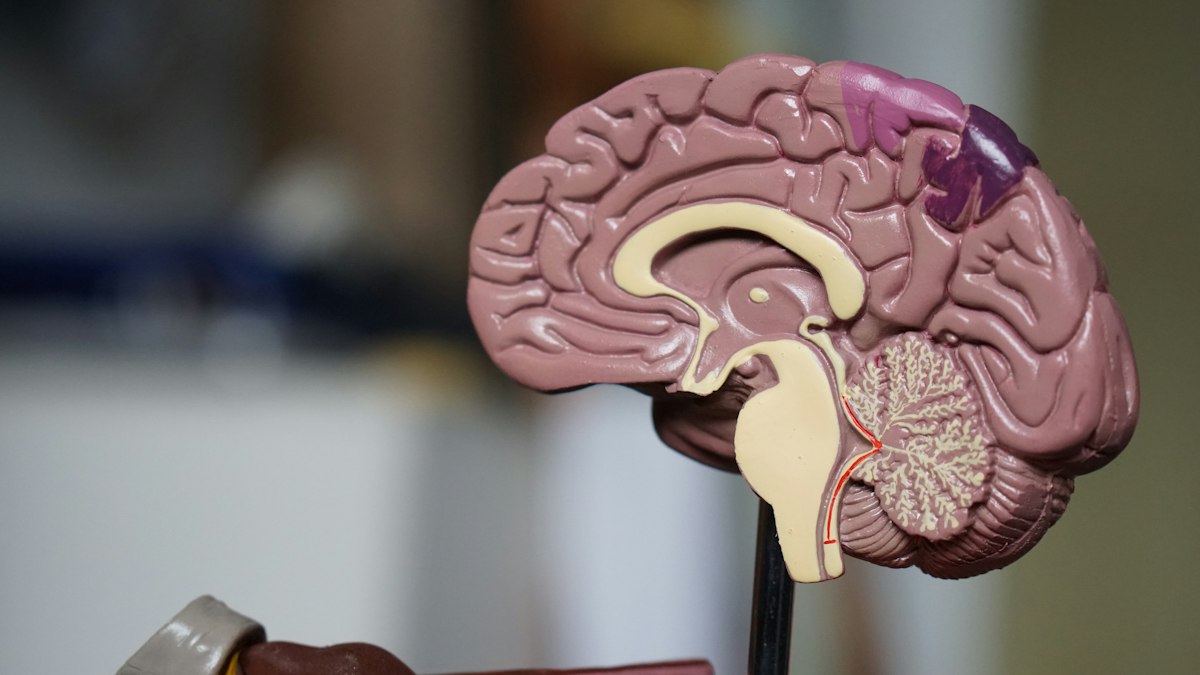
How CBD Oil Relieves Pain
CBD oil for pain doesn’t work the way a painkiller works. It doesn’t block a single pain signal pathway and call it done. Instead, CBD engages multiple overlapping systems that regulate how your body generates, amplifies, and experiences pain — making it particularly suited to chronic pain conditions where multiple mechanisms are at play simultaneously.
The key mechanisms are: engagement of TRPV1 (transient receptor potential vanilloid-1) receptors — pain and temperature sensors involved in both inflammation and nerve sensitisation; suppression of inflammatory cytokine production through NF-κB pathway modulation; inhibition of FAAH, increasing circulating anandamide which has natural pain-modulating properties; and indirect modulation of opioid and glycine receptors, which are involved in pain signalling in the spinal cord. This multi-target approach is exactly why many people find CBD oil helps with pain types that don’t respond well to single-target pharmaceuticals.
Types of Pain CBD Oil Helps With
The evidence base for CBD oil for pain is not equal across all pain types. Here’s an honest breakdown of where it works best:
Neuropathic Pain (Nerve Pain)
Neuropathic pain — caused by nerve damage or dysfunction — is one of the most treatment-resistant pain types and one where CBD shows the strongest evidence. CBD’s action at TRPV1 receptors and its reduction of neuroinflammation address two of the core drivers of nerve pain directly. Conditions like diabetic neuropathy, post-herpetic neuralgia (shingles pain), and chemotherapy-induced peripheral neuropathy are among the most studied areas. A 2020 placebo-controlled trial found that topical CBD significantly reduced intense pain and cold sensations in peripheral neuropathy patients.
Inflammatory Pain (Arthritis, Joint Pain)
For inflammatory pain conditions like osteoarthritis and rheumatoid arthritis, CBD’s anti-inflammatory properties are the primary mechanism of relief. CBD suppresses pro-inflammatory cytokines and COX-2 enzyme activity — similar mechanisms to NSAIDs, but without the gastrointestinal and cardiovascular risks. A 2016 study in the European Journal of Pain found that topical CBD significantly reduced joint swelling and limb posture scores (a proxy for pain) in arthritic animal models. A 2020 survey of arthritis patients found 79% reported some pain relief and 66% found it helped with sleep.
Musculoskeletal Pain (Back Pain, Muscle Soreness)
Back pain is one of the most common reasons people try CBD oil, and many report meaningful relief — particularly for pain with an inflammatory component (disc inflammation, muscle spasm, SI joint pain). CBD’s muscle-relaxing properties via GABA receptors and its reduction of local inflammation make it a logical fit. For exercise-related muscle soreness, CBD’s anti-inflammatory and antioxidant properties can reduce post-exercise inflammation and accelerate recovery — one of the most popular applications among athletes.
Migraine and Headache
Migraine research is still in early stages, but the endocannabinoid system is known to play a role in migraine pathophysiology — people with chronic migraine have been shown to have lower endocannabinoid levels. CBD’s serotonin receptor modulation and anti-inflammatory effects are both relevant to migraine mechanisms, and a number of clinical surveys show promise. At present, CBD is most evidence-supported as a preventive supplement rather than an acute migraine abortive.
💡 Did You Know? Unlike opioids — which act on the same receptors repeatedly and cause tolerance and dependency — CBD does not appear to produce significant tolerance with regular use. Many long-term CBD users report stable or even improved effectiveness over months of consistent use, which is the opposite of what happens with opioid-based pain management.
What the Research Says About CBD Oil for Pain
The evidence for CBD oil for pain is stronger than many people realise — and more nuanced than CBD advocates often acknowledge. Here’s the honest picture:
| Pain Type | Evidence Level | Key Study / Finding |
|---|---|---|
| Neuropathic pain | Moderate — clinical trials | 2020 trial: topical CBD reduced peripheral neuropathy pain scores significantly vs placebo |
| Arthritis / joint pain | Moderate — animal + surveys | 2016 European Journal of Pain: topical CBD reduced joint inflammation and pain behaviours |
| Cancer pain | Moderate — clinical (CBD+THC combinations) | Nabiximols (CBD+THC spray) approved in Canada/UK for cancer pain unresponsive to opioids |
| Musculoskeletal / back pain | Emerging — surveys and observational | High patient-reported satisfaction; controlled trials underway |
| Fibromyalgia | Emerging — observational | Patient surveys show substantial relief; formal RCTs still limited |
| Migraine | Early — mechanistic + anecdotal | ECS involvement in migraine established; specific CBD trials in progress |
It’s worth noting that many CBD pain studies use combination products (CBD + THC), which makes it difficult to attribute effects solely to CBD. Pure CBD oil still has meaningful pain-modulating effects, but for severe chronic pain — particularly cancer pain — a full-spectrum product with trace THC or a CBD:THC combination may offer stronger relief.

CBD Oil Dosage for Pain: What Actually Works
Dosage is where most people go wrong with CBD oil for pain. The 10–25 mg doses on most product labels are appropriate for general wellness or mild anxiety — they are typically insufficient for chronic pain. Here’s the evidence-informed framework:
| Pain Severity | Starting Dose | Target Range | Frequency |
|---|---|---|---|
| Mild (post-exercise, tension) | 15–25 mg | 25–50 mg/day | Once daily |
| Moderate (arthritis, back pain) | 25–50 mg | 50–100 mg/day | Split into 2 doses AM/PM |
| Severe (neuropathy, fibromyalgia) | 50 mg | 100–150 mg/day | Split into 2–3 doses |
| Acute flare (on demand) | 25–50 mg | 50–75 mg single dose | As needed, sublingual |
Increase your dose by 10–15 mg every 5–7 days until you notice clear pain relief. Most people find their effective dose within 3–4 weeks. For a complete framework including weight-based dosing, see our CBD Dosage Guide: How Much CBD Oil Should I Take?
Best CBD Formats for Pain Relief
The best CBD oil for pain format depends on where the pain is and what kind it is:
Sublingual CBD Oil (Best for Systemic Pain)
For widespread or internal pain — back pain, nerve pain, fibromyalgia, headaches — sublingual CBD oil is the most effective format. Holding the oil under your tongue for 60 seconds maximises absorption (bioavailability ~20–35%), with effects beginning within 15–30 minutes and lasting 4–6 hours. Take it at consistent times — morning and evening for chronic pain management gives the best steady-state coverage.
CBD Topicals (Best for Localised Pain)
For joint pain, muscle soreness, or localised inflammation, CBD creams, balms, or roll-ons applied directly to the affected area provide targeted relief without entering the bloodstream. Topical CBD doesn’t produce systemic effects, but for knee pain, arthritic hands, or a specific muscle group, it can dramatically reduce local inflammation and pain without any dosing calculation. Apply liberally to the affected area and massage in — effects typically begin within 15–45 minutes.
CBD Capsules or Gummies (Best for Sustained Coverage)
For people who need consistent, long-lasting pain relief throughout the day and night — particularly those who wake with pain — CBD capsules or gummies provide 6–8 hours of sustained effect. The trade-off is slower onset (45–90 minutes) and lower bioavailability (~6–15%), meaning you’ll need a higher mg dose than sublingual oil to achieve the same effect. For overnight pain, take a capsule or gummy 60–90 minutes before sleep.
A Real-World Example: CBD Oil for Pain in Practice
Margaret, 58, had been managing osteoarthritis in both knees for seven years. She’d used ibuprofen regularly for years before her GP flagged concern about long-term NSAID use and its effects on her stomach and kidneys. She started using CBD oil with some scepticism.
She began with 30 mg of a full-spectrum CBD oil sublingually each morning and applied a CBD balm to both knees before and after her daily walk. Week one: no significant change. Week two at 50 mg: morning stiffness reduced by roughly half. Week three at 50 mg: she reported being able to walk 40 minutes without needing to stop — something she hadn’t managed in three years. She added a second 25 mg evening dose for overnight coverage and has maintained this routine for eight months.
Margaret’s experience reflects what the arthritis survey data suggests: meaningful pain reduction for most users, typically beginning in weeks 2–4, with the best results from combining oral and topical CBD.
Common Misconceptions About CBD Oil for Pain
“CBD oil eliminates pain completely.” For most people and most pain conditions, CBD oil provides meaningful pain reduction — not elimination. A reduction in pain from 8/10 to 4/10 is a clinically significant result that improves quality of life substantially, even if it isn’t a complete cure. Expecting full pain resolution and being disappointed when it doesn’t happen leads people to abandon a supplement that’s actually helping them significantly.
“Higher-strength CBD always means better pain relief.” The strength on the label refers to total CBD per bottle, not per dose. A 3000 mg bottle taken at 30 mg/day delivers the same daily dose as a 1000 mg bottle at 30 mg/day — just more doses from one bottle. What matters is the milligrams you actually take per day, not the bottle strength.
“Topical CBD is the same as oral CBD for pain.” Topical CBD stays localised — it doesn’t enter the bloodstream and cannot address internal pain, nerve pain, or systemic inflammation. For arthritis in specific joints or post-workout muscle soreness in a specific area, topical CBD is excellent. For widespread pain, systemic conditions, or anything internal, oral CBD (sublingual or capsule) is necessary.
Building a Daily Pain Management Routine with CBD Oil
A well-structured daily routine maximises the pain-relieving benefits of CBD oil for pain. Here’s a practical template:
- Morning (with breakfast): 25–75 mg sublingual CBD oil. This builds your daily baseline and addresses morning stiffness and inflammation accumulated overnight.
- Midday (if needed): CBD topical applied to any specific joint or muscle area that flares during activity.
- Evening (1 hour before bed): 25–50 mg sublingual CBD or a CBD capsule for overnight pain coverage. Many pain patients find this the most important dose for sleep quality.
- Acute flares: An additional 25–50 mg sublingual dose taken when pain spikes acutely — works within 15–30 minutes for sublingual formats.
Always choose a third-party tested, full-spectrum or broad-spectrum CBD oil. For pain, full-spectrum is preferred — the trace THC and terpenes meaningfully amplify CBD’s pain-modulating effects through the entourage effect. For more on product selection, see our Best CBD Oil guide.
When to Seek Professional Help
CBD oil can be a genuinely effective part of a pain management approach, but it should not be used as a reason to avoid medical evaluation of pain — particularly new, worsening, or undiagnosed pain. Chronic pain has many causes, and some require medical diagnosis and specific treatment. If you have pain that is new, rapidly worsening, associated with unexplained weight loss, numbness, or weakness — see a doctor.
If you’re taking NSAIDs, opioids, or other pain medications, speak with your healthcare provider before adding CBD — both because of potential drug interactions via the CYP450 enzyme system and because CBD may allow you to reduce pharmaceutical pain medication doses (always done under medical supervision). The World Health Organization has assessed CBD as safe and non-addictive, but drug interactions require individual evaluation. For further reading on CBD and pain from the patient perspective, Arthritis Foundation guidance on CBD is also worth reviewing.
🌿 Ready to try CBD oil for pain?
Start with a full-spectrum sublingual oil at 25–50 mg daily and add a topical CBD product for any localised pain. Be patient — most people notice meaningful improvement in weeks 2–4, not the first few days. Track your pain levels weekly so you can adjust your dose precisely and confidently.
Disclaimer: This article is for educational purposes only and has not been evaluated by the FDA. CBD products are not intended to diagnose, treat, cure, or prevent any disease. Always consult a qualified healthcare professional before starting any new supplement regimen, particularly if you are managing a chronic pain condition or taking prescription medication.