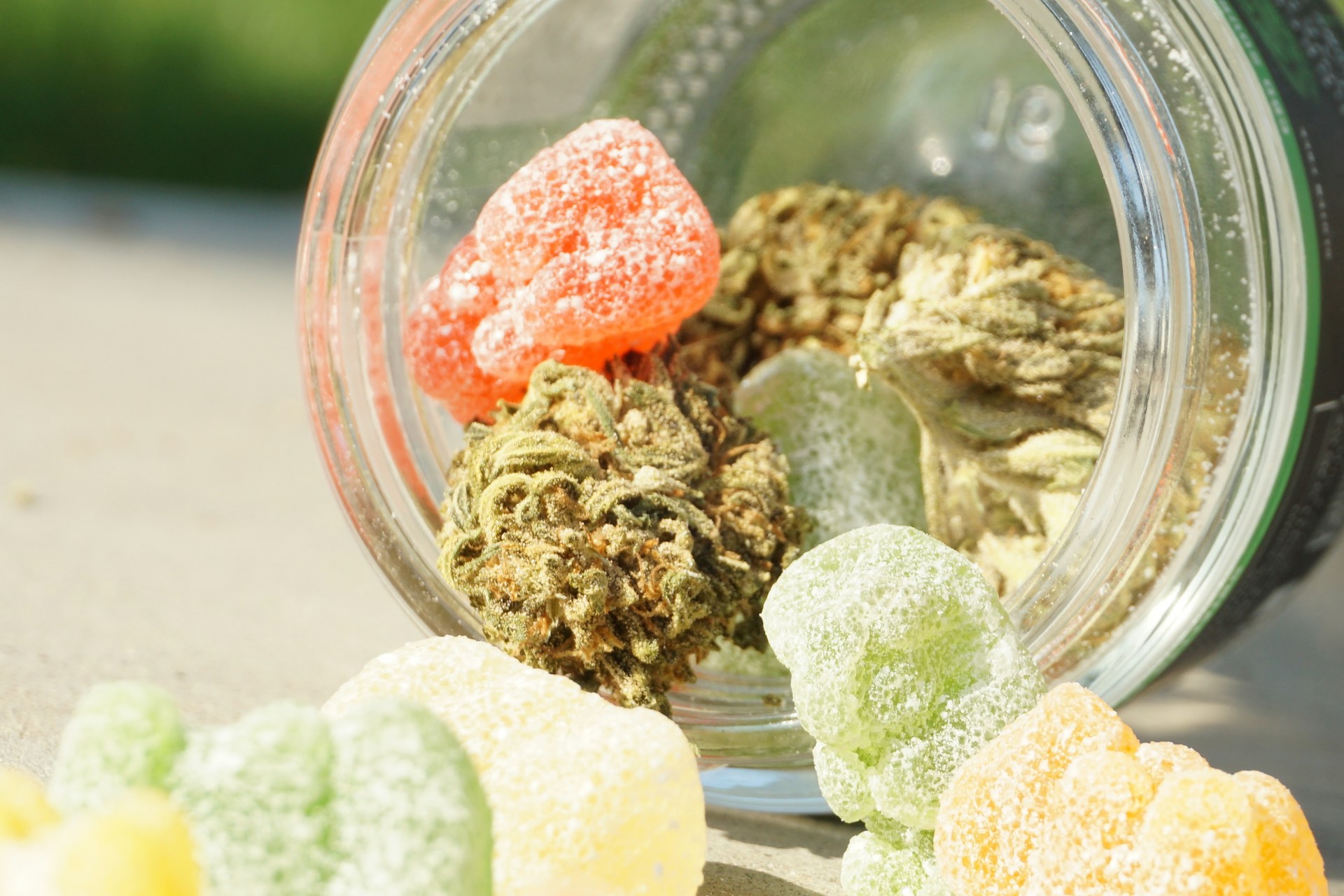
CBD gummies have gone from niche curiosity to mainstream supplement in just a few years. But if you are dealing with real pain — chronic back pain, joint discomfort, post-workout soreness, or nerve-related symptoms — you deserve more than marketing claims. This guide covers what the science actually says, how different types of CBD gummies work, who they may help, and what to look for when choosing one.
⚕️ Medical Disclaimer: This article is for informational purposes only and does not constitute medical advice. CBD is not a substitute for professional medical treatment. Always consult a qualified healthcare professional before using CBD, especially if you take prescription medication or have a diagnosed health condition.
TL;DR: CBD gummies may help with inflammatory pain, stress-related tension, and sleep disruption from pain, primarily by interacting with the body’s endocannabinoid system. The evidence is promising but still emerging. Full-spectrum products tend to outperform isolates for pain. A typical starting dose is 15–25 mg per day. Always check third-party lab reports (COAs) before buying and consult your doctor if you take other medications.
How CBD Gummies Work for Pain
To understand how CBD gummies might help with pain, you need to understand the endocannabinoid system (ECS) — a network of receptors found throughout the brain, spinal cord, immune system, and peripheral nervous system. The ECS plays a central regulatory role in pain perception, inflammation response, mood, sleep, and stress.
CBD (cannabidiol) does not bind directly to the main cannabinoid receptors (CB1 and CB2) the way THC does. Instead, research suggests it works by preventing the breakdown of the body’s own endocannabinoids — effectively prolonging their natural pain-modulating effect. It also interacts with serotonin receptors and TRPV1 receptors (which are involved in pain and inflammation signalling), and may reduce neuroinflammation through immune-system modulation (Healthline).
When you eat a CBD gummy, it is processed through the digestive system before entering the bloodstream. This means onset is slower than CBD oil (typically 45–90 minutes vs. 15–45 minutes for sublingual drops), but effects tend to last longer — often 4–8 hours. For chronic pain, this sustained release profile is often preferable.
What Types of Pain May CBD Gummies Help With?
CBD is not a one-size-fits-all solution, and the evidence varies significantly across pain types.
Inflammatory Pain (Arthritis, Joint Discomfort)
This is where the evidence is strongest. CBD’s anti-inflammatory properties — particularly its interaction with CB2 receptors on immune cells — have been well-documented in preclinical studies. Patients with chronic arthritis and musculoskeletal pain are among the most common users of therapeutic cannabinoid products. Observational data from chronic pain patients consistently shows subjective improvement with CBD use, though large-scale randomised controlled trials are still limited (Health Data Consortium, 2026).
Post-Workout Muscle Soreness
Delayed-onset muscle soreness (DOMS) is inflammatory in nature, which puts it squarely in CBD’s potential wheelhouse. Some athletes use CBD gummies post-workout to support recovery and reduce perceived soreness. While clinical evidence specifically for DOMS is early, the theoretical mechanism (inflammation reduction, sleep improvement) is sound. CBD is also permitted by the World Anti-Doping Agency (WADA), making it a viable option for competitive athletes.
Stress-Related Physical Tension
Chronic stress creates real physical pain — tight shoulders, tension headaches, jaw clenching. CBD’s well-documented anxiolytic (anti-anxiety) effects may help break this stress-tension-pain cycle by addressing the stress component directly. Many users report that the physical relaxation they experience from CBD is a downstream effect of reduced anxiety rather than a direct muscle-relaxing action.
Neuropathic Pain
Nerve-related pain is harder to treat, and the evidence for CBD here is more limited. Some research suggests CBD may modulate signalling pathways involved in neuropathic pain, but bioavailability is also a factor — orally consumed CBD has lower absorption rates than other delivery methods, which may reduce its efficacy for nerve-related symptoms specifically. If neuropathic pain is your primary concern, this is worth discussing with a doctor before relying on gummies alone.

Full-Spectrum vs. Broad-Spectrum vs. Isolate: Which Is Best for Pain?
Not all CBD gummies are created equal. The type of extract matters significantly for pain relief.
| Type | Contains | Best for |
|---|---|---|
| Full-Spectrum | CBD + trace THC (≤0.3%) + other cannabinoids & terpenes | Chronic or moderate-to-severe pain; the entourage effect amplifies results |
| Broad-Spectrum | CBD + other cannabinoids, THC removed | Those who need to avoid THC (drug testing, personal preference) but want more than isolate |
| CBD Isolate | Pure CBD only | Mild discomfort; most predictable dosing; least complex |
The entourage effect is the theory — supported by growing evidence — that cannabinoids, terpenes, and other compounds in the hemp plant work synergistically to produce a greater therapeutic effect than CBD alone. For pain specifically, full-spectrum products consistently outperform isolates in user-reported outcomes and in limited clinical comparisons (Houstonia Magazine, 2026).
CBD Gummies Dosage for Pain: Where to Start
There is no universally agreed clinical dosage for CBD and pain — the research is not yet there. That said, the most commonly used starting guidance is 1–6 mg of CBD per 10 lbs (4.5 kg) of body weight per day, adjusted gradually based on response.
In practical terms:
- Mild discomfort or first-time users: 10–25 mg per day
- Moderate pain: 25–50 mg per day
- Chronic or severe pain: 50–100 mg per day (under medical guidance)
Start low, give it 1–2 weeks before increasing, and track your response. CBD can take time to build in the system. Onset from gummies is 45–90 minutes, so do not double up because you do not feel effects immediately.
For a broader look at CBD products and their uses, see our guide to CBD gummies for pain: top questions answered.
What to Look for When Buying CBD Gummies for Pain
Third-Party Certificate of Analysis (COA)
This is non-negotiable. A COA from an ISO-accredited independent lab confirms the actual CBD content matches the label, verifies THC is within legal limits (≤0.3% in the US), and screens for heavy metals, pesticides, solvents, and microbial contaminants. Reputable brands publish COAs by batch number on their website. If a brand does not publish a COA, do not buy from them.
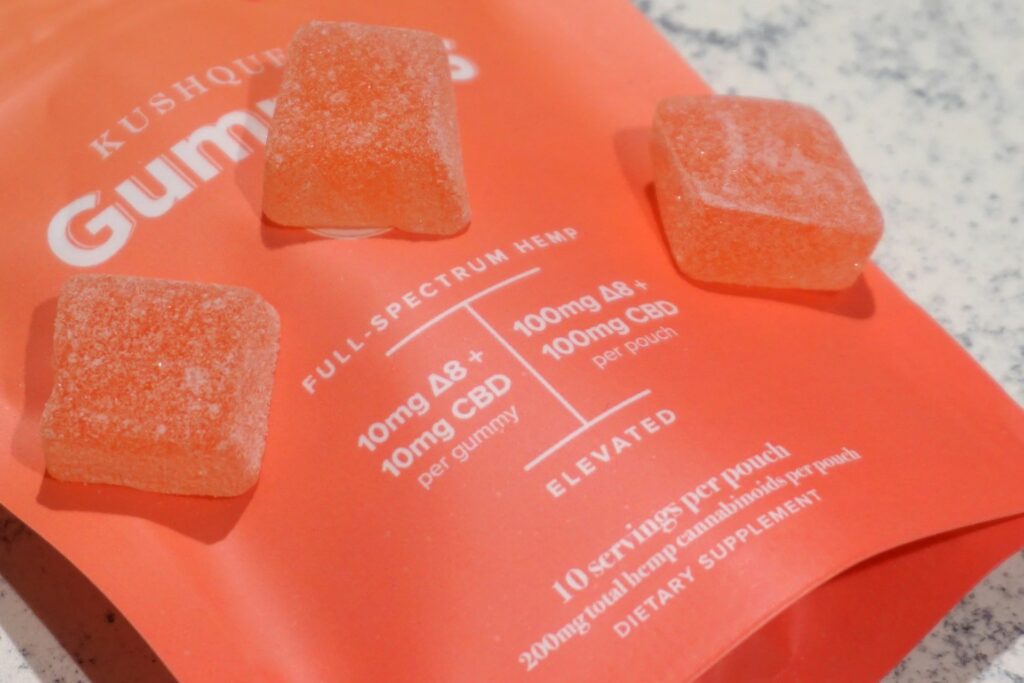
Clear Potency Per Gummy
The label should state mg of CBD per gummy, not just per bottle or per serving. This is how you control your dose. Products that list only total mg per package with vague serving sizes are difficult to dose accurately.
Clean Ingredients
For daily use, ingredient quality matters. Look for vegan pectin instead of gelatin, no high-fructose corn syrup, and natural colouring. Added ingredients like turmeric, ginger, or CBG (cannabigerol) may provide additional anti-inflammatory support.
US or EU-Grown Hemp
Hemp is a bioaccumulator — it absorbs what is in the soil it grows in. Hemp grown in the US (under USDA oversight) or the EU carries more reliable quality controls than hemp from unregulated sources. The origin should be stated on the label or product page.
Side Effects and Safety Considerations
CBD gummies are generally well-tolerated by most adults. The most commonly reported side effects are dry mouth, mild drowsiness, and temporary digestive discomfort — usually settling after the first week of use.
The more significant safety consideration is drug interactions. CBD affects cytochrome P450 enzymes, which are responsible for metabolising many common medications — including NSAIDs, blood thinners (such as warfarin), and certain nerve pain medications. If you take any prescription medication for pain or another condition, speak to your GP or pharmacist before adding CBD gummies to your routine. This is not optional caution; it is clinically important (Health Data Consortium, 2026).
CBD is also not recommended during pregnancy or breastfeeding, and older adults should start at lower doses and consult a doctor, particularly regarding fall risk from any drowsiness effects.
An Honest Summary of the Evidence
A 2024 systematic review of 40 studies concluded that CBD may play a role in pain management, but that the overall evidence remains limited — particularly for human clinical trials of gummies specifically. Many studies involve small sample sizes, mixed pain conditions, or include THC alongside CBD, making it difficult to isolate CBD’s contribution (Healthline, 2026).
What this means practically: CBD gummies are not a proven, clinically-validated painkiller in the way that NSAIDs or prescription pain medications are. But for many people with inflammatory pain, chronic tension, or pain-related sleep disruption, they represent a low-risk, well-tolerated option worth exploring — especially as part of a broader pain management approach that includes movement, sleep, stress management, and medical care where needed.
🌿 Want to learn more? Read our full CBD and supplements guide at Blooming Vitality.
✍️ About the Author
The Blooming Vitality Editorial Team. We research and write about practical, evidence-informed health and wellness topics to help you live well every day. All health claims in our articles are sourced from peer-reviewed research and reputable medical organisations.