⚡ TL;DR — What Is Matcha?
- What is matcha? It’s a finely stone-ground powder made from specially shade-grown Camellia sinensis tea leaves — you consume the whole leaf, not just an infusion.
- This makes matcha significantly richer in antioxidants (especially EGCG), caffeine, and L-theanine than regular brewed green tea.
- A single 2g serving (1 tsp) delivers 60–80mg caffeine and ~45mg L-theanine — producing calm, sustained alertness rather than jittery energy.
- Ceremonial grade is for drinking; culinary grade is for cooking, lattes, and baking — quality and taste vary significantly between grades.
What is matcha? It’s a type of green tea — but one that is grown, processed, and consumed in a way that makes it dramatically different from ordinary tea bags or loose-leaf green tea. Matcha originated in Tang Dynasty China but was refined into its modern ceremonial form in Japan, where it became central to Zen Buddhist practice and traditional tea ceremony. Today it’s one of the fastest-growing wellness beverages in the world, valued for its distinctive flavour, striking green colour, and well-documented health benefits. This guide explains exactly what matcha is, how it’s made, what the research says about its health properties, and how to choose and use it effectively.
What Is Matcha and How Is It Made?
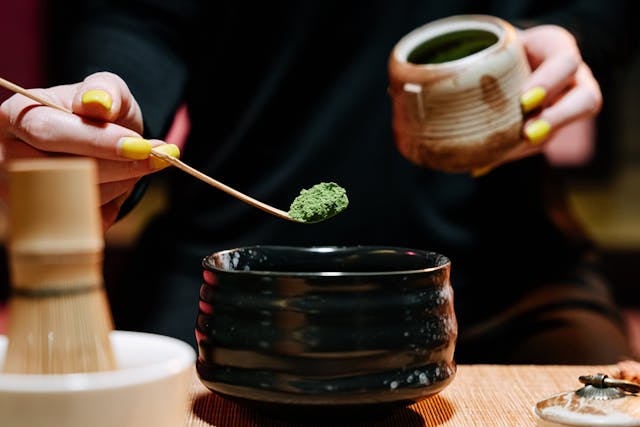
Understanding what is matcha requires understanding the two key differences that set it apart from all other green teas: shading and whole-leaf consumption. About three to four weeks before harvest, matcha tea plants (Camellia sinensis) are covered with shade cloth or bamboo shades — reducing sunlight exposure by 80–90%. This triggers the plants to produce more chlorophyll (the brilliant green pigment), more L-theanine (a calming amino acid), and less catechin (which becomes bitter in sunlight). The shading explains why matcha is more intensely green and less bitter than regular green tea. After harvest, the best young leaves are destemmed, deveined, dried, and then stone-milled — at speeds slow enough to avoid heat damage — into a fine powder. Because you whisk this powder directly into water and drink it (rather than steeping and discarding leaves), you consume the entire leaf and its full nutritional profile.
The Science Behind Matcha’s Health Benefits
The key to understanding what is matcha from a nutritional perspective is the whole-leaf consumption model. A PMC review of matcha’s antioxidant properties and nutritional composition found that catechin content in green teas is between 5.46–7.44mg/g, and matcha — because the entire leaf is consumed — delivers a higher concentration of these compounds per serving than brewed tea (which extracts only a fraction). The dominant catechin is EGCG (epigallocatechin gallate), one of the most studied natural antioxidants in nutritional science, with documented benefits for cardiovascular health, metabolic function, and cancer prevention research. L-theanine content in matcha (~45mg per serving) is approximately 15 times higher than in a cup of brewed green tea (~3mg), according to Art of Tea. L-theanine synergises with caffeine to produce calm, sustained alertness — the distinctive cognitive state matcha is prized for.
💡 Did You Know? Japanese Zen Buddhist monks have been drinking matcha before meditation sessions for over 800 years. The calm, focused mental state it produces — from the L-theanine and caffeine combination — was valued precisely because it helped practitioners remain alert yet tranquil during long meditation sessions. Modern neuroscience has now confirmed the mechanism the monks knew empirically from experience.
Key Benefits of Matcha
Focused, Calm Energy
The most distinctive benefit of what is matcha for daily life is its energy profile. The combination of 60–80mg caffeine (from a 2g serving) with 45mg L-theanine produces what neuroscientists call “alert relaxation” — an activated mental state without the jitters, anxiety, or crash associated with coffee. L-theanine increases alpha brain wave activity (associated with relaxed focus), while caffeine increases alertness. Together they create a cognitive state ideal for sustained concentration, creative work, and study.
Antioxidant Richness
Matcha delivers EGCG in concentrations significantly higher than any brewed tea — because you consume the whole leaf. EGCG has been studied for cardiovascular protection (reducing LDL oxidation), metabolic support (improving insulin sensitivity), anti-inflammatory effects, and potential cancer cell inhibition in preclinical studies. The antioxidant capacity of matcha is substantially higher than most other antioxidant-rich foods including blueberries and pomegranate juice.
Cardiovascular and Metabolic Support
Regular green tea consumption (and by extension, matcha) is associated with reduced risk of cardiovascular disease, lower LDL cholesterol, and improved blood pressure in epidemiological studies. The EGCG in matcha inhibits LDL oxidation — the process that makes “bad” cholesterol dangerous — and supports endothelial function (the health of blood vessel linings). For metabolic health, EGCG has been shown to improve insulin sensitivity and glucose metabolism in several clinical trials.
Stress Reduction
L-theanine in matcha promotes relaxation without sedation — crossing the blood-brain barrier and increasing GABA, serotonin, and dopamine levels. A mouse study published in PMC found that matcha significantly reduced stress responses compared to control groups, attributed to its high theanine content. This stress-reducing effect, combined with the focused energy from caffeine, makes matcha a particularly well-balanced daily beverage for cognitive performance under pressure.
Matcha Grades Explained
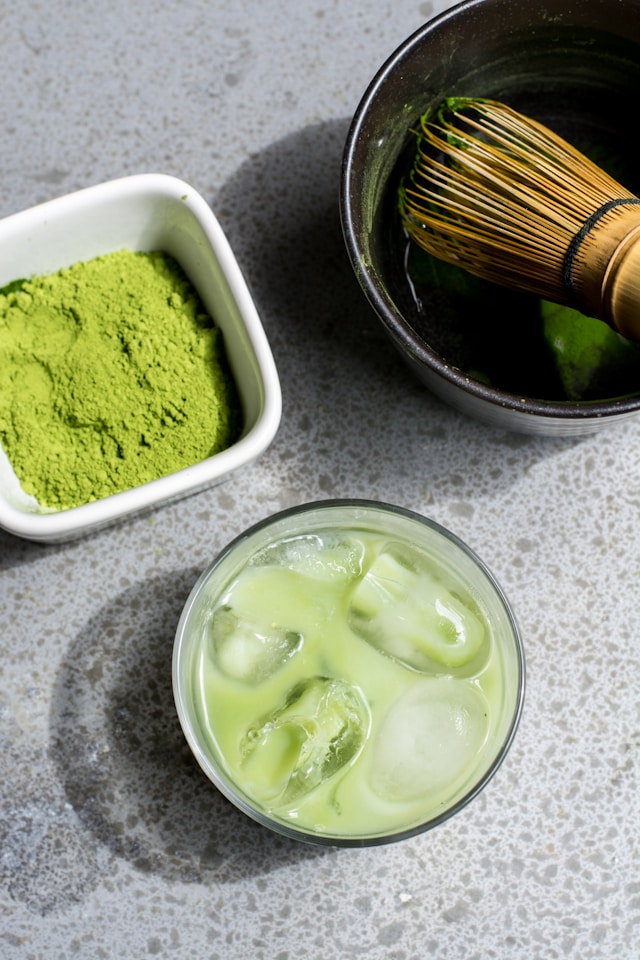
Understanding what is matcha includes understanding the grade system. Ceremonial grade is the highest quality — made from the youngest, most tender leaves, stone-milled to a fine, bright-green powder with a naturally sweet, umami flavour. It’s designed to be drunk simply whisked in water, with nothing to mask its flavour. Premium/culinary grade is made from older or less selected leaves — slightly more bitter, less vibrant green, and less expensive. It works well in lattes, smoothies, baking, and cooking where it’s mixed with other ingredients. Lower-grade matcha — often labelled “ingredient grade” — is suitable only for manufacturing and mass food production. For drinking and home lattes, choose ceremonial or premium culinary grade. Japanese origin (particularly from Uji, Nishio, or Kagoshima) is generally a quality indicator — though excellent matcha is also produced in China and other countries.
Common Misconceptions About Matcha
“All green powder is matcha.” Many products labelled as “matcha” are green tea powder — dried and ground green tea leaves that were not shade-grown and not stone-milled. True matcha has a specific production method — the shading, destemming, and stone-milling are what define it. Check for Japanese origin and ceremonial-grade labelling if quality matters.
“More matcha = more benefit.” While matcha is very safe, very high doses of EGCG (above 800mg/day from supplements) have been associated with liver stress in some research. Typical matcha servings (1–2g) deliver 100–200mg EGCG — well within safe ranges. More than 3–4 matcha servings per day isn’t necessary and the added caffeine can cause sleep disruption.
How to Prepare Matcha
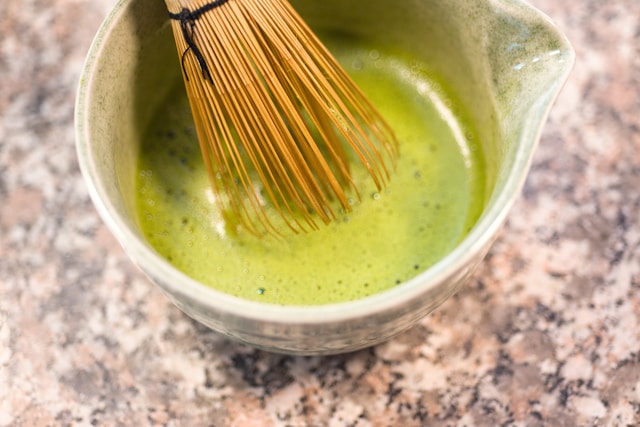
The traditional method for what is matcha preparation (usucha — thin tea): sift 2g (½–1 tsp) of matcha through a fine mesh sieve into a warm bowl. Add 70–80ml of hot water (not boiling — approximately 80°C/175°F — boiling water makes matcha bitter). Whisk briskly in a W or M motion with a bamboo chasen for 30–60 seconds until frothy. Drink immediately. For a matcha latte: prepare matcha as above but with only 30–40ml of hot water to create a concentrated “shot,” then top with steamed or frothed milk (dairy or plant-based). For iced matcha latte: prepare the concentrate the same way, then pour over ice and cold milk. See our matcha latte guide for full preparation details. For comprehensive matcha information, the Healthline matcha caffeine overview and the PMC matcha antioxidant review are excellent evidence-based resources.
Who Should Be Cautious With Matcha
Matcha is safe for most healthy adults. Those who should moderate intake: pregnant women (limit caffeine to under 200mg/day — one matcha serving is fine, but multiple daily servings may approach this limit); people who are caffeine-sensitive (matcha contains more caffeine per gram than regular green tea); those with iron-deficiency anaemia (tea catechins can reduce non-heme iron absorption — drink matcha between meals, not with iron-rich foods); and people taking blood thinners or certain medications (consult a doctor). High doses of supplemental EGCG (not typical dietary matcha use) have been associated with rare cases of liver toxicity. At normal culinary amounts, matcha is an extremely safe and well-tolerated beverage.
🍵 Matcha is whole-leaf green tea — and that makes all the difference.
The shade-growing process, the stone-milling, the whole-leaf consumption — each step concentrates the antioxidants, L-theanine, and chlorophyll that make matcha one of the most nutritionally rich beverages you can drink. Start with 1–2g ceremonial grade, whisked in 80°C water, and experience what 800 years of Japanese tea culture got right.
Disclaimer: This article is for educational purposes only. Matcha is not a treatment for any medical condition. Consult a healthcare professional if you have specific health concerns about caffeine or tea consumption.