
⚡ TL;DR — Does Matcha Have Caffeine?
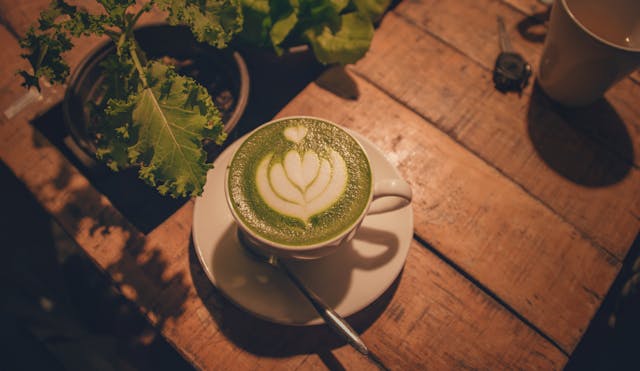
- Does matcha have caffeine? Yes — a standard 2g serving delivers 60–80mg caffeine, significantly more than a cup of regular green tea (25–40mg).
- Matcha’s caffeine is paired with L-theanine (~45mg), which moderates the stimulant effect — producing sustained, jitter-free alertness rather than a sharp spike and crash.
- Caffeine content varies significantly by grade, preparation, and powder amount — from ~40mg to 135mg+ per serving.
- Matcha’s caffeine effect typically lasts 6–8 hours vs 3–4 hours for coffee — due to L-theanine’s moderating effect on absorption speed.
Does matcha have caffeine? This is one of the most common questions from people considering switching to matcha or adding it to their wellness routine. The short answer is yes — matcha contains caffeine, and notably more per gram than most other green teas. But the more important answer involves how that caffeine behaves in the body when it’s accompanied by matcha’s high L-theanine content. Understanding this relationship is key to understanding why matcha gives a different — and for many people, better — energy experience than coffee or regular tea.
📋 Table of Contents
Does Matcha Have Caffeine? The Numbers
The direct answer to does matcha have caffeine is unequivocally yes. According to Healthline’s medically reviewed caffeine in matcha overview, a serving of matcha made with 2–4g (½–1 teaspoon) of powder contains between 38–176mg of caffeine. A more typical 2g serving delivers approximately 60–80mg caffeine, which is roughly twice the caffeine content of a cup of brewed green tea (25–40mg). A PMC review of matcha’s chemical composition found that matcha caffeine content ranges between 18.9–44.4mg per gram of powder — higher than typical green teas (11.3–24.67mg/g) and on par with or exceeding some coffee preparations per gram of dry ingredient (coffee beans contain 10–12mg caffeine/g).
How Matcha’s Caffeine Differs From Coffee: The L-Theanine Effect
The most important nuance in answering does matcha have caffeine is not just the amount, but the experience. Matcha’s caffeine is accompanied by approximately 45mg of L-theanine per 2g serving — an amino acid that meaningfully changes how caffeine is absorbed and experienced. L-theanine doesn’t reduce caffeine’s effects — it modulates them. It slows the rate at which caffeine enters the bloodstream, reducing the sharp spike. It counteracts some of caffeine’s stimulatory effects on the central nervous system by promoting alpha brain wave activity (calm focus). It promotes GABA and serotonin production, reducing the anxiety and jitteriness that caffeine alone can cause in sensitive individuals. The result — according to Healthline and Hugo Tea Company — is that matcha’s caffeine effect lasts 6–8 hours rather than coffee’s 3–4 hours, and produces sustained alertness without jitters, anxiety, or a hard crash. This is what matcha drinkers describe as “calm energy.”
💡 Did You Know? The reason matcha is higher in caffeine than ordinary green tea is the shading process — when tea plants are covered for 3–4 weeks before harvest to reduce sunlight, they produce more caffeine as a natural defence mechanism against insects (who are repelled by caffeine’s bitterness). The same shading that increases L-theanine also increases caffeine, making shade-grown matcha doubly different from sun-grown green tea.
Caffeine Content by Matcha Preparation Style
Traditional Thin Matcha (Usucha)
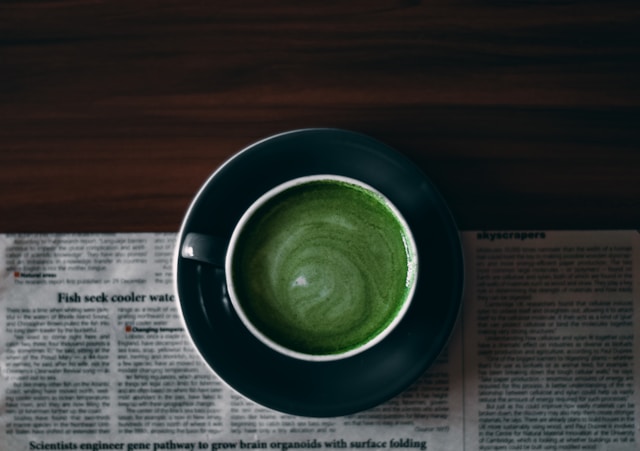
A standard preparation of matcha caffeine for usucha (thin tea) uses 1.5–2g of powder whisked in 70–80ml of hot water. This delivers approximately 40–80mg caffeine — similar to a medium espresso shot, with the key difference of accompanying L-theanine moderating the effect.
Matcha Latte
A typical matcha latte uses 2–4g of powder as a concentrate, then topped with milk. Total matcha caffeine from this preparation is 80–160mg — on par with a standard coffee. The milk dilutes the drink but doesn’t affect caffeine content. An iced matcha latte uses the same preparation over ice, so caffeine is identical.
Ceremonial vs Culinary Grade
Higher-quality ceremonial-grade matcha generally has higher caffeine content than culinary grade — because it’s made from younger, more tender leaves that contain more caffeine. This is one reason the caffeine range for matcha (38–176mg per serving) is so wide: the quality and amount of powder used make an enormous difference.
Matcha Caffeine vs Green Tea vs Coffee: Comparison
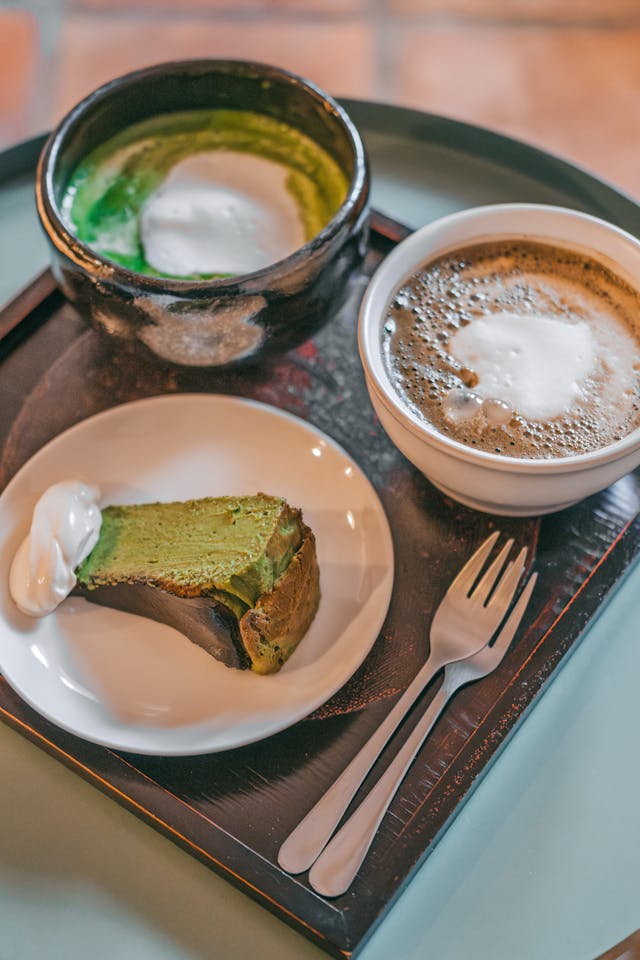
To put does matcha have caffeine in context: a 2g matcha serving delivers 60–80mg caffeine. A cup of brewed green tea (8oz) delivers 25–40mg caffeine. A standard espresso (1oz) delivers 60–70mg caffeine. A standard filter coffee (8oz) delivers 80–100mg caffeine. A can of cola delivers approximately 34mg caffeine. Matcha sits roughly between green tea and coffee in caffeine content at standard preparation. However, matcha’s L-theanine content (45mg per 2g serving) is dramatically higher than regular green tea (~3mg), making the subjective experience of matcha caffeine substantially different from an equivalent dose of coffee or plain green tea caffeine.
Who Should Manage Matcha Caffeine Carefully
Even with its smoother delivery profile, answering does matcha have caffeine is important for certain groups who need to manage intake carefully. Pregnant women should limit total caffeine to under 200mg/day — a single matcha is fine, but multiple servings may approach this limit. People with caffeine sensitivity (anxiety, insomnia, palpitations from caffeine) may find matcha more tolerable than coffee but should still start with smaller doses (1g preparation). Children and adolescents should limit or avoid matcha. People with cardiac arrhythmia, severe anxiety, or caffeine-dependent conditions should consult a doctor before regular matcha consumption. Anyone taking medications that interact with caffeine (certain heart medications, MAOIs) should consult their doctor. Those with iron-deficiency anaemia should drink matcha between meals — catechins and caffeine together can reduce non-heme iron absorption.
How to Optimise Matcha Caffeine for Your Day
Getting the best from matcha caffeine involves timing and preparation. Drink matcha in the morning or early afternoon — its 6–8 hour effect duration means afternoon matcha can disrupt sleep if consumed after 2–3pm. Start with a 1g preparation if you’re caffeine sensitive. Don’t drink matcha on a completely empty stomach — the caffeine can cause nausea in some people without food. For those wanting the health benefits of matcha without its caffeine, lower-caffeine matcha can be produced by a brief hot water rinse of the powder before use (not traditional but effective for caffeine reduction). For comprehensive guidance on matcha preparation and varieties, see our matcha latte guide and matcha vs green tea comparison. The Healthline matcha caffeine review is an excellent further reference.
When to Choose Decaf or Low-Caffeine Alternatives
If you want matcha’s antioxidants and flavour without its caffeine effect, a few options exist. Hojicha — roasted Japanese green tea — is much lower in caffeine (around 7–30mg per cup) with a toasty, warm flavour. Barley tea (mugicha) contains zero caffeine and is refreshing and hydrating. For the specific health benefits of EGCG without caffeine, standardised EGCG supplements are available. If the question is just about the energy experience: matcha’s L-theanine pairing means many people who are coffee-sensitive find they tolerate matcha much better — so it’s worth trying at a low dose before assuming it won’t work for you.
🍵 Yes, matcha has caffeine — and that’s a good thing, paired with L-theanine.
60–80mg per 2g serving, delivered smoothly over 6–8 hours thanks to L-theanine moderation. For most people, it’s the best of both worlds: alertness without anxiety, focus without crash. Just mind the afternoon timing.
Disclaimer: This article is for educational purposes only. If you have health conditions affected by caffeine, consult a qualified healthcare professional before adding matcha to your routine.