⚡ TL;DR
- Hormone imbalance in women occurs when oestrogen, progesterone, cortisol, insulin, or thyroid hormones are too high or too low.
- Symptoms include fatigue, weight changes, mood swings, irregular periods, hair loss, and acne.
- Root causes range from chronic stress and poor diet to thyroid dysfunction and perimenopause.
- Natural approaches — nutrition, sleep, stress management, and targeted supplements — can meaningfully rebalance hormones.
Hormone imbalance in women is one of the most common yet frequently overlooked health issues of our time. Hormones are chemical messengers that regulate virtually every process in your body — metabolism, sleep, mood, reproduction, immune function, and more. When even one hormone is out of range, the ripple effects can be felt across every system. The encouraging news is that hormones are highly responsive to lifestyle changes, and even significant imbalances can often be corrected with targeted interventions.
What Is Hormone Imbalance in Women?
Hormone imbalance refers to having too much or too little of one or more hormones in your bloodstream. The key hormones affecting women’s health include oestrogen and progesterone (reproductive hormones), cortisol (the stress hormone), insulin (blood sugar regulation), thyroid hormones (metabolism), DHEA (adrenal hormone), and testosterone (energy, libido, muscle).
Because these hormones interact in complex feedback loops, an imbalance in one tends to cascade into others. For example, chronic stress elevates cortisol, which suppresses progesterone production, which worsens oestrogen dominance, which disrupts thyroid function. Understanding hormone imbalance in women requires seeing the hormonal system as an interconnected web, not isolated variables.
Signs and Symptoms of Hormone Imbalance in Women

Symptoms vary widely depending on which hormones are affected, but common signs of hormone imbalance in women include persistent fatigue that doesn’t improve with rest, unexplained weight gain (particularly around the abdomen), irregular, heavy, or painful periods, PMS that has worsened over time, adult acne particularly along the jaw and chin, hair thinning or hair loss, low libido, mood swings, anxiety, or depression, brain fog and poor concentration, insomnia or non-restorative sleep, bloating and digestive issues, and cold hands and feet with slow metabolism.
Common Causes of Hormone Imbalance in Women
Chronic Stress and HPA Axis Dysregulation
The hypothalamic-pituitary-adrenal (HPA) axis governs stress hormone production. When chronically activated, it suppresses sex hormone production, disrupts the thyroid, and creates widespread hormonal chaos. Burnout, prolonged work stress, trauma, and even over-exercising can trigger this cascade.
Poor Diet and Blood Sugar Dysregulation
A diet high in refined carbohydrates and sugar causes frequent insulin spikes. Chronically elevated insulin promotes androgen production (causing acne and hair loss), suppresses sex hormone binding globulin (raising free oestrogen), and drives inflammation. This is a primary driver of PCOS — the most common hormone imbalance disorder in women of reproductive age.
Thyroid Dysfunction
Hypothyroidism (underactive thyroid) is significantly more common in women than men and is a major driver of fatigue, weight gain, hair loss, depression, and feeling constantly cold. It frequently goes undetected because standard thyroid tests (TSH alone) can miss subclinical dysfunction. A full thyroid panel including Free T3, Free T4, and thyroid antibodies gives a more complete picture.
Perimenopause and Menopause
The hormonal transitions of perimenopause and menopause are natural but can cause dramatic hormone imbalance in women — particularly when oestrogen and progesterone fluctuate erratically before declining permanently.
Environmental Oestrogens (Xenoestrogens)
Synthetic chemicals in plastics (BPA, phthalates), pesticides, personal care products, and even tap water can mimic oestrogen in the body, contributing to oestrogen dominance. Minimising exposure to plastic food containers, conventional produce, and synthetic fragrances is meaningful.
💡 Did You Know? The gut microbiome contains a community of bacteria called the “estrobolome” that directly regulates oestrogen metabolism. Poor gut health leads to higher circulating oestrogen levels — connecting gut health and hormone balance in women more deeply than most people realise.
Natural Ways to Rebalance Hormone Imbalance in Women
Stabilise Blood Sugar
Balancing blood sugar is the single most impactful dietary intervention for hormone imbalance. Eat protein at every meal, pair carbohydrates with fat and fibre, avoid eating large amounts of refined carbs on an empty stomach, and never skip meals when under stress. Consider adding apple cider vinegar, cinnamon, and berberine to support insulin sensitivity.
Support Liver Detoxification
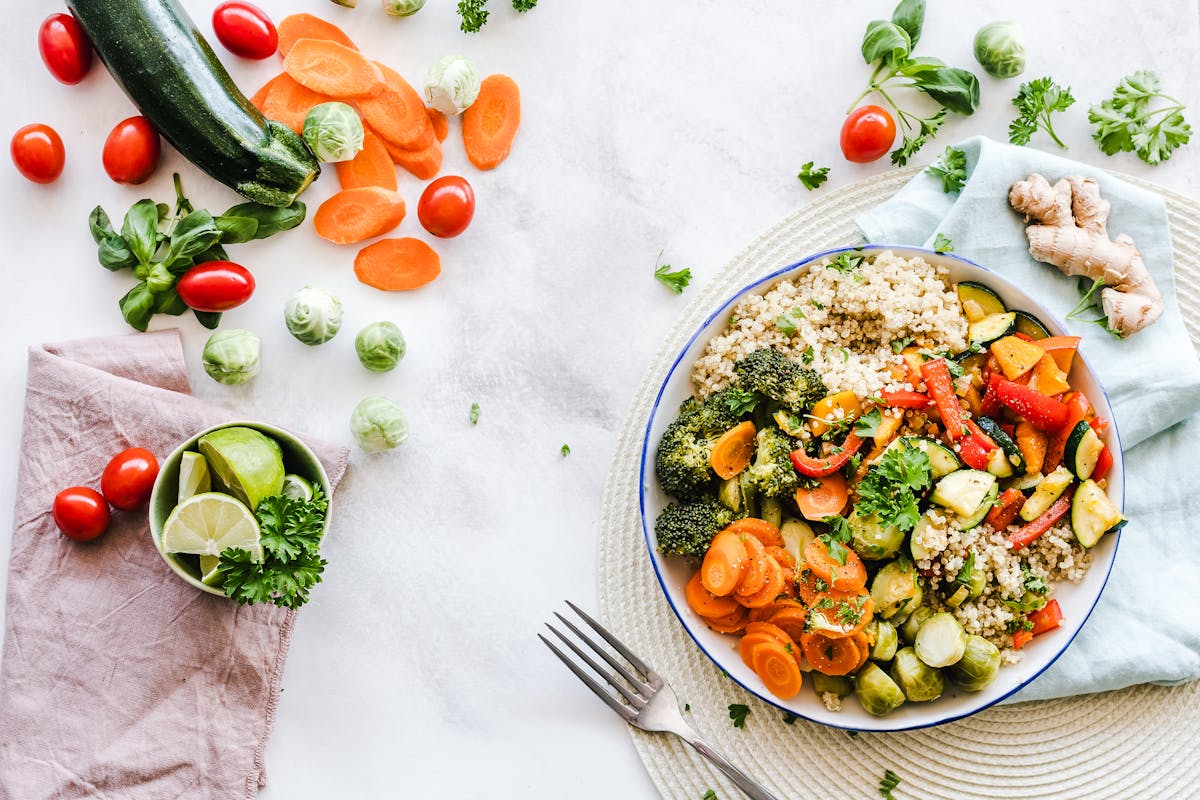
The liver is responsible for metabolising and clearing excess oestrogen. Support it with cruciferous vegetables (broccoli, cauliflower, Brussels sprouts), sulphur-rich foods (garlic, onions, eggs), and by reducing alcohol — one of the most oestrogen-elevating substances available. DIM (diindolylmethane) supplementation can further support healthy oestrogen metabolism.
Prioritise Sleep
Growth hormone, which repairs and regulates other hormones, is primarily released during deep sleep. Cortisol regulation depends on a consistent sleep-wake cycle. Even one week of poor sleep significantly alters insulin, cortisol, leptin, and testosterone levels. Sleep is not optional hormone support — it is foundational.
Targeted Supplements
Evidence-backed supplements for hormone imbalance in women include magnesium (supports progesterone, reduces cortisol, improves sleep), vitamin D3 and K2 (hormone precursor and immune regulator), omega-3 fatty acids (reduce inflammation, support progesterone), zinc (supports thyroid and testosterone), and adaptogens like ashwagandha, maca, and rhodiola for HPA axis regulation. Always work with a practitioner before starting new supplements if you have a diagnosed condition.
A Real-Life Example
Emma, 32, was diagnosed with PCOS after years of irregular periods, stubborn acne, and weight gain despite eating well. Blood tests revealed elevated androgens and insulin resistance. Rather than going straight to the contraceptive pill (the default treatment offered), Emma worked with a functional medicine doctor to address the root cause — stabilising blood sugar with a lower-carbohydrate, higher-protein diet, taking inositol and magnesium, and adding three strength-training sessions weekly. Within 6 months her periods had regulated, her acne had cleared, and her androgen levels had normalised.
Common Hormone Imbalance Misconceptions
“The pill fixes hormone imbalance”
The contraceptive pill suppresses the body’s own hormone production and masks symptoms rather than addressing root causes. For many women it is a useful tool, but it is not a cure for hormone imbalance — and stopping it can trigger a rebound of symptoms if the underlying imbalance hasn’t been addressed.
“Hormone tests always catch imbalances”
Standard blood tests often only check oestrogen and progesterone on a single day, which can miss cyclical imbalances. Dutch (dried urine testing for comprehensive hormones) tests and saliva hormone panels at multiple points in the cycle give a far more accurate picture. Advocate for comprehensive testing if standard results come back “normal” but symptoms persist.
When to Seek Professional Help
If you suspect hormone imbalance, start with your GP for baseline blood tests (full thyroid panel, sex hormones, fasting insulin, HbA1c, and vitamin D). If tests return “normal” but symptoms continue, consider a functional medicine doctor or endocrinologist who will look more comprehensively. Explore our women’s health resources for more guidance on navigating hormonal health.
🌿 Your Hormones Can Heal
Hormone imbalance in women is not a life sentence. With the right diet, sleep, stress management, and targeted support, hormonal balance is genuinely achievable — and the transformation in energy, mood, and health that follows is one of the most profound shifts women describe making.