
⚡ TL;DR
- Estrogen dominance symptoms occur when oestrogen is too high relative to progesterone, causing a cluster of specific complaints.
- Common signs include heavy or painful periods, PMS, bloating, weight gain, breast tenderness, mood swings, and fatigue.
- Causes include xenoestrogens, stress, poor liver detoxification, gut dysbiosis, and perimenopause.
- Effective natural strategies focus on improving liver function, gut health, and progesterone support.
Estrogen dominance symptoms are some of the most commonly experienced yet least understood hormonal complaints among women today. The term doesn’t necessarily mean oestrogen is extremely high in absolute terms — it means oestrogen is high relative to progesterone. This imbalance can occur even when both hormones are declining in perimenopause, if progesterone drops faster than oestrogen. Understanding what’s happening and why is the first step toward genuine relief.
What Is Estrogen Dominance?
Estrogen dominance is a state of hormonal imbalance characterised by a relative excess of oestrogen compared to progesterone. This ratio — not the absolute level of either hormone — is what drives symptoms. A woman can have “normal” oestrogen levels on a blood test and still experience estrogen dominance if her progesterone is insufficient to balance it.
Progesterone acts as a natural counterbalance to oestrogen — calming the nervous system, supporting sleep, reducing inflammation, and opposing oestrogen’s proliferative effects on breast and uterine tissue. When progesterone falls — due to chronic stress, anovulatory cycles, perimenopause, or poor nutrition — oestrogen’s effects go unopposed, producing the characteristic cluster of estrogen dominance symptoms.
Estrogen Dominance Symptoms to Watch For

The most characteristic estrogen dominance symptoms include heavy, painful, or irregular periods and spotting between cycles, severe PMS — particularly mood swings, irritability, and tearfulness in the week before menstruation, bloating and water retention especially in the week before your period, breast tenderness or swelling (cyclic mastalgia), unexplained weight gain particularly around hips, thighs, and abdomen, fatigue that is often worse premenstrually, headaches or migraines that correlate with your cycle, difficulty sleeping (particularly in the luteal phase), low libido, brain fog and anxiety, fibroids or endometriosis (both oestrogen-driven conditions), and thyroid dysfunction (oestrogen elevates thyroid-binding globulin, reducing available thyroid hormone).
💡 Did You Know? Research from the National Cancer Institute has linked long-term estrogen dominance (particularly from exposure to xenoestrogens — synthetic oestrogens from plastics and pesticides) with increased risk of oestrogen-receptor positive breast cancer. Supporting healthy oestrogen clearance is a meaningful preventive health strategy.
What Causes Estrogen Dominance?
Chronic Stress and Low Progesterone
Cortisol (the stress hormone) and progesterone share the same biochemical precursor — pregnenolone. Under chronic stress, your body “steals” pregnenolone to make more cortisol, leaving less available for progesterone production. This is sometimes called “progesterone steal” and is one of the most common drivers of estrogen dominance symptoms in modern women.
Impaired Liver Detoxification
The liver is the primary organ responsible for metabolising and deactivating used oestrogen for excretion. When liver function is compromised — by alcohol, a nutrient-poor diet, excess body fat, or toxic load — oestrogen isn’t cleared efficiently and recirculates in the blood. This is a major driver of elevated oestrogen levels even without external oestrogen sources.
Gut Dysbiosis and the Estrobolome
The “estrobolome” — a community of gut bacteria — produces an enzyme called beta-glucuronidase that deconjugates oestrogen in the gut, allowing it to be reabsorbed rather than excreted. When gut health is poor and dysbiosis is present, beta-glucuronidase activity increases dramatically, recycling more oestrogen back into circulation. Supporting a healthy microbiome is essential for oestrogen clearance, as confirmed by research published in Nature Reviews Endocrinology.
Xenoestrogens from the Environment
BPA in plastic containers, phthalates in personal care products, parabens in cosmetics, and pesticide residues on conventionally grown produce all act as xenoestrogens — chemicals that bind to oestrogen receptors and mimic oestrogen’s effects. Minimising exposure meaningfully reduces total oestrogenic load.
Natural Ways to Reduce Estrogen Dominance Symptoms
Eat Cruciferous Vegetables Daily
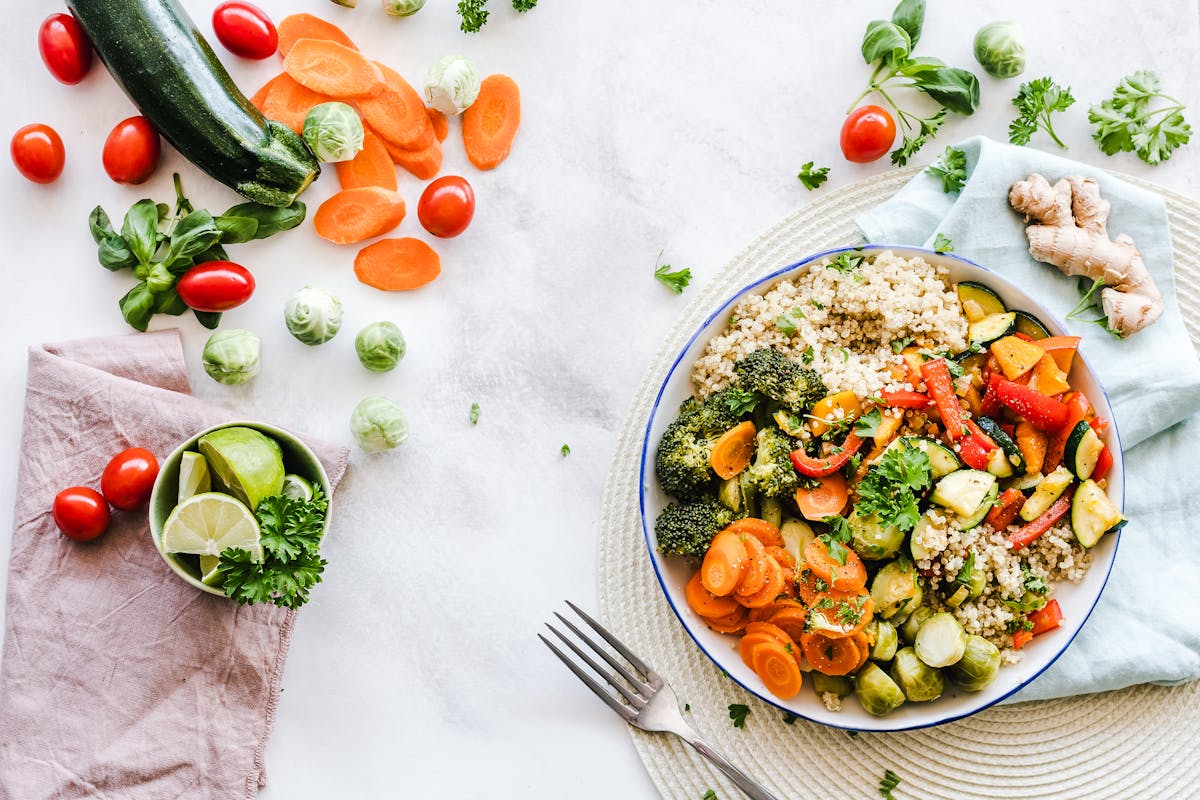
Broccoli, cauliflower, Brussels sprouts, kale, and cabbage contain indole-3-carbinol (I3C) and DIM (diindolylmethane), which directly support the liver’s Phase 1 and Phase 2 oestrogen detoxification pathways. Aim for at least one serving daily. Lightly steaming or eating them raw maximises the active compounds.
Reduce Alcohol
Even moderate alcohol consumption significantly impairs the liver’s ability to process oestrogen and increases circulating oestrogen levels by up to 32% in some studies. Eliminating or dramatically reducing alcohol is one of the fastest ways to improve estrogen dominance symptoms.
Support Gut Health
A high-fibre diet rich in prebiotic foods reduces beta-glucuronidase activity and supports healthy oestrogen excretion. Ensure at least 30g of fibre daily, include fermented foods, and consider a probiotic specifically containing Lactobacillus strains that have been shown to regulate the estrobolome.
Manage Stress and Support Progesterone
Reduce cortisol by prioritising sleep (progesterone is produced during deep sleep), practising nervous system regulation techniques (breathwork, yoga, time in nature), and considering adaptogenic herbs like ashwagandha and vitex (chasteberry), which has clinical evidence for increasing progesterone levels and reducing PMS.
A Real-Life Example
Rachel, 34, experienced worsening PMS for 3 years — 10 days of severe bloating, breast pain, and emotional dysregulation before each period. Testing revealed high oestrogen with low-normal progesterone. Her functional medicine practitioner identified heavy alcohol consumption (weekend wine) and poor gut health as key drivers. Over 6 months, Rachel eliminated alcohol, added daily cruciferous vegetables and fermented foods, took DIM and vitex supplements, and began stress reduction practices. Her PMS reduced to 2–3 mild days, her periods lightened, and her energy levels transformed.
Common Estrogen Dominance Misconceptions
“Estrogen dominance only happens in older women”
Estrogen dominance is actually most common in women aged 25–45, when progesterone production can be significantly affected by stress, birth control use, and dietary choices. It’s one of the leading causes of PMS, menorrhagia, and PCOS in younger women.
“If oestrogen is in the normal range, I don’t have estrogen dominance”
Standard blood tests measure total oestrogen on a single day and compare it to a reference range — they don’t assess the oestrogen-to-progesterone ratio or oestrogen metabolite pathways. You can have normal oestrogen and still have clinically significant estrogen dominance if progesterone is insufficient. DUTCH hormone testing gives a far more complete picture.
When to Seek Professional Help
If you have fibroids, endometriosis, or a history of oestrogen-receptor positive cancer, work with a specialist before making significant hormonal interventions. For most women experiencing estrogen dominance symptoms, a functional medicine GP, naturopath, or integrative gynaecologist can provide comprehensive testing and personalised support. Explore our women’s wellness guides for more evidence-based hormonal health support.
🌿 Your Oestrogen Can Find Balance
Estrogen dominance symptoms are your body communicating that something is out of balance — not a permanent state. With targeted dietary changes, gut and liver support, and stress management, restoring the oestrogen-progesterone balance is genuinely achievable for most women.