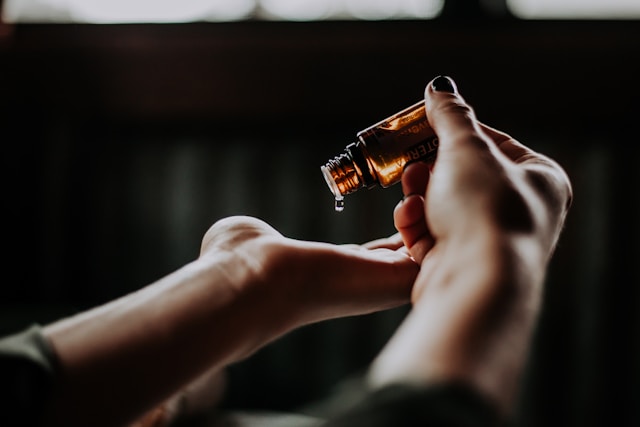
⚡ TL;DR — Castor Oil for Hair
- Castor oil for hair works best as a scalp conditioner and anti-inflammatory treatment — improving the environment for hair growth rather than directly stimulating follicles.
- A 2025 randomised trial found a rosemary-castor oil blend significantly increased hair growth rate, thickness, density, and length over 90 days.
- Always dilute with a lighter carrier oil (jojoba, coconut, argan) — castor oil alone is too thick and sticky for comfortable application.
- Be aware of “felting” — a rare condition where castor oil causes severe tangling in fine hair. Use sparingly and always rinse thoroughly.
Using castor oil for hair is one of the most searched natural hair care topics — and for good reason. This thick, ricinoleic-acid-rich oil has centuries of use in Ayurvedic and Jamaican beauty traditions, and a growing body of modern research is validating many of its claimed benefits. Whether you’re dealing with thinning hair, a dry or irritated scalp, brittle strands, or sparse lashes, this guide explains exactly how castor oil works on hair, how to apply it correctly, and what results you can realistically expect.

How Castor Oil Benefits Hair
The benefits of castor oil for hair come primarily from its extraordinary concentration of ricinoleic acid — a fatty acid that makes up roughly 80–90% of castor oil’s composition. Unlike most plant oils, ricinoleic acid actively reduces scalp inflammation, provides antifungal and antibacterial protection, and penetrates the hair shaft to reduce moisture loss. Castor oil also contains vitamin E, omega-6 fatty acids, proteins, and antioxidants — collectively providing the “holy grail of hair nutrition ingredients” as Davines describes it. The overall effect is an improvement in scalp health, strand strength, and the conditions needed for healthy hair growth.
The Science Behind Castor Oil for Hair Growth
Evidence for castor oil for hair is building steadily. A 2025 randomised, placebo-controlled clinical trial found that a topical blend of rosemary and castor oil applied for 90 days significantly increased hair growth rate, thickness, density, and length compared to coconut oil — making it one of the strongest recent clinical demonstrations of castor oil’s hair-supportive properties. A 2022 systematic review in the Journal of Drugs in Dermatology found weak but suggestive evidence that castor oil may improve hair growth or quality, according to Medical News Today’s 2025 review. Ricinoleic acid’s documented ability to block prostaglandin D2 — a compound associated with hair follicle miniaturisation — provides a plausible biological mechanism for hair growth support beyond simple scalp conditioning.
💡 Did You Know? Jamaican Black Castor Oil (JBCO) is made from roasted castor beans and has a darker colour and slightly different composition from regular cold-pressed castor oil. Both work similarly for hair, but JBCO has a higher ash content (from roasting) which some believe makes it more effective for coarser, thicker hair types. Regular cold-pressed is generally preferred for finer hair.
5 Ways to Use Castor Oil for Hair
1. Scalp Treatment for Hair Growth
The most evidence-supported application of castor oil for hair is as a weekly scalp treatment. Mix 1–2 tablespoons of castor oil with an equal amount of jojoba, coconut, or argan oil (diluting improves spreadability and reduces stickiness). Part the hair into sections, apply directly to the scalp, and massage for 5–10 minutes using circular motions to boost circulation. Leave for 30–60 minutes (or overnight with a shower cap), then shampoo out thoroughly. Repeat 1–2 times per week.
2. Deep Conditioning Hair Mask
For dry, damaged, or brittle hair, castor oil works as an intensive conditioning treatment. Mix 2 tablespoons of castor oil with 1 tablespoon of honey and 1 tablespoon of coconut oil. Apply from roots to ends, concentrating on the most damaged sections. Cover with a shower cap, apply gentle heat (warm towel or hair dryer on low), and leave for 30–60 minutes before rinsing. The combination of castor oil’s fatty acids with honey’s humectant properties produces noticeably softer, more manageable hair after just 2–3 treatments.
3. Eyelash and Eyebrow Application
Apply a very small amount of castor oil (less than a drop) using a clean mascara wand to lashes nightly after cleansing. For brows, use a clean spoolie or cotton swab. The conditioning effects reduce brittleness and breakage, making lashes and brows appear fuller over time. Use only expeller-pressed or cold-pressed castor oil for this purpose — and be extremely careful not to get oil directly in the eyes.
4. Leave-In End Treatment
For dry or split ends, apply a tiny amount of diluted castor oil (2–3 drops mixed into a light oil) to damp hair ends before styling. This seals moisture into the hair shaft and reduces frizz — but use very sparingly on fine hair to avoid weighing it down.
5. Dandruff and Scalp Condition Treatment
Castor oil’s antifungal properties make it useful for managing dandruff caused by Malassezia fungal overgrowth. Apply diluted castor oil to the scalp 30–60 minutes before shampooing with an antifungal shampoo 1–2 times per week. Its anti-inflammatory properties also soothe itchy, irritated scalps associated with seborrhoeic dermatitis. See our guide on castor oil benefits for the broader evidence base.
Step-by-Step Application Guide for Castor Oil on Hair
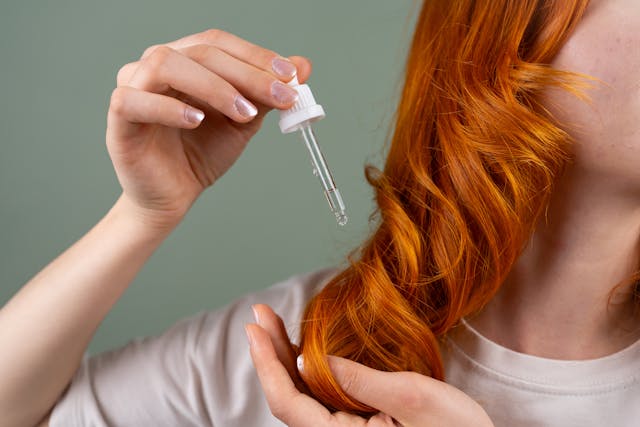
Getting the most from castor oil for hair requires correct technique. Step 1: Mix 1–2 tablespoons of cold-pressed castor oil with an equal amount of jojoba or coconut oil in a small bowl. Step 2: Warm the blend very slightly (place bowl in warm water for 2 minutes) — warm oil absorbs more effectively. Step 3: Using a dropper or your fingertips, apply directly to the scalp in sections. Step 4: Massage for 5–10 minutes using small circular motions — this stimulates circulation and enhances absorption. Step 5: Apply remaining oil to hair lengths, focusing on ends. Step 6: Cover with a shower cap and leave for at least 30 minutes. Step 7: Shampoo twice to fully remove the oil — castor oil’s thickness often requires double washing. Step 8: Condition as normal. Repeat 1–2 times per week; see our guide on choosing the best organic castor oil for product guidance.
Common Castor Oil for Hair Misconceptions
“Castor oil will regrow hair lost to pattern baldness.” This is the most important expectation to manage. Androgenetic alopecia is driven by genetic DHT sensitivity that castor oil cannot overcome. It supports the scalp environment and may slow miniaturisation, but it will not reverse significant genetic hair loss. Consult a trichologist or dermatologist for evidence-based options like minoxidil or finasteride.
“Felting” — a real risk with castor oil on fine hair. WebMD notes that castor oil can cause a rare but serious condition called felting — where hair becomes so severely tangled it must be cut off. This risk is highest with fine hair when castor oil is applied undiluted or left on too long. Always dilute, use sparingly on fine hair, and rinse thoroughly.
“More applications = faster results.” Using castor oil more than 2–3 times per week does not speed results and may actually cause product buildup, scalp congestion, and increased risk of felting. Consistency over months matters more than frequency.
Building a Castor Oil Hair Routine
A practical weekly castor oil for hair routine: apply diluted castor oil to the scalp 1–2 times per week, leave for 30–60 minutes, shampoo twice to remove. On wash days, add a few drops to your conditioner for an extra conditioning boost. Track results at 4, 8, and 12 weeks — most people notice reduced shedding within 4 weeks and visible density improvements by 8–12 weeks of consistent use. For more hair wellness resources, explore our Natural Remedies section at Blooming Vitality. The Medical News Today castor oil for hair review is one of the most well-sourced current overviews available.
When to See a Hair Specialist
Castor oil is a supportive natural remedy, not a treatment for medical hair conditions. Consult a dermatologist or trichologist if you’re experiencing: rapid, patchy hair loss (which may indicate alopecia areata); significant hair loss after illness or major stress (telogen effluvium); persistent scalp pain, scarring, or inflammation; or hair loss that continues despite 3+ months of consistent natural care. Early professional assessment dramatically improves treatment outcomes for most hair loss conditions.
🌿 Ready to give castor oil for hair a real try?
Start with 1–2 scalp treatments per week, always diluted, for a minimum of 12 weeks. Track your results from week 4. Patience, dilution, and thorough rinsing are the three keys to success with this powerful but thick natural oil.
Disclaimer: This article is for educational purposes only. Consult a qualified dermatologist or trichologist for persistent hair loss or scalp conditions.