⚡ TL;DR — Beef Liver Supplements
- Beef liver supplements (desiccated liver capsules) deliver the nutrient density of beef liver — including 2,944% DV of B12, 731% DV vitamin A, and highly bioavailable heme iron — without the taste.
- A 2024 meta-analysis of 13 RCTs found heme iron supplementation produced significantly higher haemoglobin increases and 38% fewer GI side effects than non-heme iron.
- The primary safety concern is vitamin A toxicity — chronic overconsumption can cause serious harm. Stick to label dosing and don’t stack with other high-vitamin-A sources.
- Grass-fed, freeze-dried, and third-party tested supplements offer the cleanest nutritional profile.
Beef liver supplements — typically sold as desiccated (freeze-dried or dehydrated) liver capsules or tablets — are gaining serious traction in the ancestral health, carnivore, and functional nutrition communities. The logic is straightforward: beef liver is widely recognised as the single most nutrient-dense food on the planet, containing extraordinary concentrations of B12, vitamin A, folate, heme iron, copper, choline, and zinc in their most bioavailable forms. For people who won’t eat liver directly due to taste or texture, supplements offer a practical way to access this nutritional profile. This guide explains what beef liver supplements contain, what the science says, and who should and shouldn’t be taking them.

What Are Beef Liver Supplements?
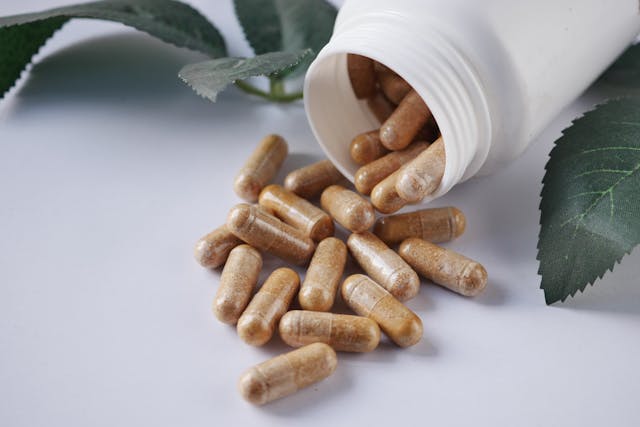
Beef liver supplements are made by removing moisture from raw beef liver — either through freeze-drying (lyophilisation) or dehydration — and encapsulating the resulting powder. The goal is to preserve the nutritional profile of fresh liver while removing the taste and convenience barriers. According to Paleo Pro’s nutritional review, a 3oz serving of whole beef liver provides 2,944% of daily value for B12, 731% DV vitamin A, and meaningful amounts of folate, iron, copper, choline, zinc, selenium, and riboflavin. Supplement dosages typically recommend 3–6 capsules (750mg each) per day, which approximates roughly 4–5g of dried liver — a fraction of a full serving, meaning individual supplement doses deliver a portion of these nutrients rather than the full concentrations above.
The Nutritional Science Behind Beef Liver
The evidence base for beef liver supplements builds on the well-established nutritional composition of the food itself. Beef liver’s heme iron — the form of iron found exclusively in animal foods — absorbs at 15–35% efficiency, compared to just 2–20% for the non-heme iron in plants and synthetic supplements. A 2024 meta-analysis of 13 RCTs confirmed that heme iron supplementation produced significantly higher haemoglobin increases than non-heme iron and caused 38% fewer GI side effects — making beef liver supplements particularly valuable for people with iron deficiency who struggle to tolerate conventional iron supplements. Iron deficiency is the most common nutritional deficiency worldwide, affecting 1.92 billion people according to WHO data cited by Paleo Pro.
💡 Did You Know? Beef liver was used as a treatment for pernicious anaemia (severe B12 deficiency) before injectable B12 was developed — a discovery by George Whipple, George Minot, and William Murphy that earned them the 1934 Nobel Prize in Physiology or Medicine. It remains one of the richest natural sources of B12 known to nutritional science, with a bioavailability that exceeds most synthetic supplements.
6 Key Benefits of Beef Liver Supplements
1. Heme Iron for Deficiency and Anaemia
The superior bioavailability of heme iron makes beef liver supplements one of the most efficient ways to address iron deficiency — particularly for women of reproductive age, vegetarians transitioning to add animal products, athletes, and anyone who has experienced GI side effects from standard iron tablets. The 2024 meta-analysis confirms both better results and better tolerability. Heme iron is also not blocked by dietary inhibitors like phytates, polyphenols, or calcium — which can significantly reduce absorption of non-heme iron from plant foods and supplements.
2. Vitamin B12 for Energy and Neurological Health
Beef liver is the richest natural source of vitamin B12 — essential for red blood cell formation, DNA synthesis, and neurological function. B12 deficiency causes megaloblastic anaemia, peripheral neuropathy, and cognitive impairment. Beef liver supplements deliver B12 in its natural methylcobalamin and adenosylcobalamin forms, which some researchers consider superior to the synthetic cyanocobalamin in many supplements, though both are effective for most people.
3. Vitamin A for Immune and Vision Health
Beef liver provides preformed vitamin A (retinol) — the form that the body uses directly, without the conversion step required for beta-carotene from plant sources. Retinol supports immune function, vision (particularly night vision), skin cell turnover, and reproductive health. However, this is also the primary safety consideration with beef liver supplements: preformed vitamin A is fat-soluble and accumulates in the body, and chronic overconsumption can cause toxicity.
4. Choline for Brain and Liver Health
Choline is an often-overlooked essential nutrient that supports brain function, liver health, and cell membrane integrity. About 90% of Americans fall short of adequate choline intake. Paleo Pro’s review notes that when researchers deliberately deprived subjects of dietary choline, 77% of men and 80% of post-menopausal women developed subclinical organ dysfunction — including fatty liver changes. Beef liver is one of the very few foods that can meaningfully contribute to choline requirements, and beef liver supplements carry this benefit in concentrated form.
5. Copper for Energy Metabolism
Beef liver is the richest dietary source of copper — a trace mineral essential for iron absorption, energy production in mitochondria, collagen synthesis, and antioxidant enzyme function. Many people are mildly copper-deficient due to low intake from typical Western diets. Beef liver supplements address this gap without requiring dramatic dietary changes.
6. Folate for Cell Division and Pregnancy
Natural dietary folate from beef liver — in its polyglutamate form — may be better metabolised by people with MTHFR gene variants than synthetic folic acid. Folate is critical for DNA synthesis, cell division, and neural tube development in early pregnancy. Cleveland Clinic’s liver nutritional overview confirms beef liver’s folate content as one of its key nutritional strengths.
Who Benefits Most from Beef Liver Supplements
Beef liver supplements are most valuable for: women of reproductive age with low iron or iron deficiency anaemia; people who can’t tolerate conventional iron supplements due to GI side effects; individuals on low-meat or predominantly plant-based diets who are transitioning to include more animal nutrition; athletes with high iron turnover; those with diagnosed B12 or folate deficiency; and anyone looking to significantly boost their overall nutrient density without major dietary overhaul. They are less necessary for people who already eat beef liver or other organ meats regularly, or those with comprehensive whole-food diets already meeting these nutritional needs.
Common Misconceptions About Beef Liver Supplements
“They’re as good as eating real liver.” Supplements provide a portion of the nutrients in whole liver, but the full food matrix — including enzymes, cofactors, and fat content — differs from isolated dried powder. Whole liver provides a more complete nutritional experience, but supplements are a practical and meaningful alternative for those who can’t stomach the food.
“More capsules = more benefits.” Because of the vitamin A content, taking very large doses of beef liver supplements over time risks vitamin A toxicity. Stick to label dosing (typically 3–6 capsules/day) and don’t combine with high-dose vitamin A supplements or large amounts of other vitamin-A-rich foods.
“They’re just marketing — liver isn’t special.” The nutritional data disagrees. No other single food comes close to the breadth and density of bioavailable nutrients in beef liver. The traditional designation as “nature’s multivitamin” is well-earned by the numbers.
How to Choose a Quality Beef Liver Supplement
When selecting beef liver supplements: choose grass-fed and grass-finished sourcing — pasture-raised animals have better nutrient profiles and lower contamination risk. Look for freeze-dried (lyophilised) processing rather than dehydrated — freeze-drying better preserves heat-sensitive nutrients. Third-party testing is essential — look for NSF or similar certification for purity verification. Avoid supplements with added fillers, flowing agents, or magnesium stearate if possible. Capsule count: 3,000mg daily (roughly 6 x 500mg capsules) is a typical evidence-aligned dose for supplementing. Brands like Wholesome Wellness, Ancestral Supplements, and Paleo Pro are commonly recommended in this category. For broader nutrient guidance, our Nutrition section covers evidence-based approaches. The Cleveland Clinic beef liver overview and Paleo Pro’s comprehensive guide are excellent references.
Safety Concerns and Who Should Avoid Beef Liver Supplements
The primary safety concern with beef liver supplements is vitamin A toxicity from chronic overconsumption. Preformed vitamin A accumulates in the liver and can cause symptoms including headache, nausea, dizziness, bone pain, and in severe cases liver damage. Pregnant women should be especially cautious — excess vitamin A in early pregnancy is teratogenic (causes birth defects). Pregnant women should not take beef liver supplements without specific medical guidance. Do not combine with vitamin A supplements or cod liver oil. Others who should be cautious or avoid them: people with haemochromatosis (iron overload disorder); those with existing liver disease; and anyone on medications that interact with vitamin A or iron (such as certain blood thinners). Consult a healthcare professional before starting if you have any of these conditions or take prescription medications.
🥩 Beef liver supplements are one of the most nutrient-dense additions you can make to your supplement routine.
Stick to the recommended dose, choose a quality grass-fed freeze-dried product, and don’t stack with other high-vitamin-A sources. For iron deficiency in particular, the 2024 heme iron meta-analysis makes a compelling case for this approach over conventional iron tablets.
Disclaimer: This article is for educational purposes only. Beef liver supplements are not a treatment for anaemia, deficiency, or any medical condition. Consult a qualified healthcare professional before supplementing, especially during pregnancy or if you have liver disease, haemochromatosis, or take prescription medications.