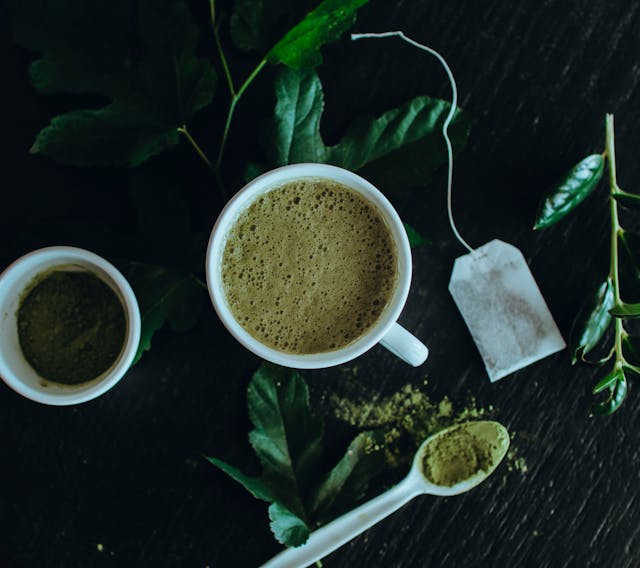
⚡ TL;DR — Matcha vs Green Tea
- Matcha vs green tea: both come from the Camellia sinensis plant, but matcha is shade-grown, stone-milled into powder, and consumed whole — making it significantly richer in antioxidants, caffeine, and L-theanine.
- Matcha delivers 60–80mg caffeine per 2g serving vs 25–40mg in a cup of brewed green tea, and ~45mg L-theanine vs ~3mg.
- EGCG (the key antioxidant) is delivered in far higher concentrations in matcha because you consume the whole leaf, not just an infusion.
- Green tea is milder, less expensive, and easier to drink daily; matcha is more potent, more ritualistic, and better for focused energy — choose based on your goals.
Matcha vs green tea — it’s a comparison that comes up constantly in wellness conversations, and with good reason. Both are forms of green tea from the same plant species. Both contain antioxidants, caffeine, and L-theanine. But the production method, nutritional concentration, flavour profile, preparation ritual, and practical use cases differ so significantly that they belong in separate categories for most health and lifestyle purposes. This guide gives you a complete side-by-side comparison on every dimension that matters — so you can make an informed choice about which is right for your daily routine.
The Core Difference: How Matcha and Green Tea Are Made
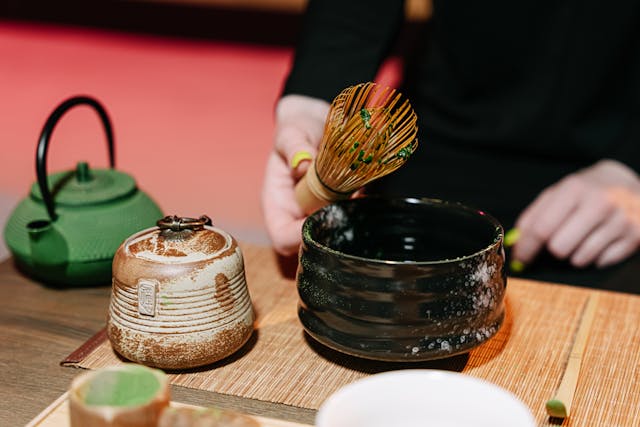
The matcha vs green tea comparison starts with production. Both come from Camellia sinensis — the same tea plant. Regular green tea is grown in full sunlight, harvested mechanically, steamed or pan-fired to stop oxidation, dried, and either rolled into needles (sencha), flat leaves, or broken into cut-grade tea bag material. When you brew green tea, hot water extracts compounds from the leaves, and you discard the spent leaves. You consume only the compounds that dissolved into the water — roughly 20–30% of the leaf’s total nutritional content. Matcha follows an entirely different path. Tea plants are covered with shade cloth for 3–4 weeks before harvest, reducing sunlight by 80–90%. This dramatically increases chlorophyll and L-theanine production while reducing bitter-tasting catechins. After harvest, only the finest young leaves are selected, destemmed, deveined, dried, and then stone-milled at slow speeds into a fine powder. When you drink matcha, you whisk the entire leaf powder into water and consume it completely — accessing 100% of the leaf’s nutritional profile.
Matcha vs Green Tea: Antioxidants and Nutrition
The nutritional comparison in matcha vs green tea strongly favours matcha due to whole-leaf consumption. Both teas are rich in catechins — a class of antioxidant polyphenols — with EGCG (epigallocatechin gallate) being the most studied and most beneficial. However, because matcha involves consuming the whole leaf rather than an aqueous extract, matcha delivers substantially more EGCG per serving. According to a PMC review of matcha’s nutritional composition, catechin content in green teas falls between 5.46–7.44mg/g of dry leaf, while matcha — being the whole leaf — concentrates these compounds in each gram of powder you consume. L-theanine concentration shows the most dramatic difference: matcha delivers approximately 45mg per 2g serving, while a cup of brewed green tea provides only around 3mg, according to Art of Tea. This 15x difference is the primary reason the matcha and green tea energy experiences feel so different.
💡 Did You Know? In the matcha vs green tea comparison, gyokuro — a premium shade-grown Japanese green tea brewed in the traditional infusion style — sits between the two. Gyokuro is shade-grown (like matcha) and delivers higher L-theanine than ordinary green tea, but because you still steep and discard the leaves, you don’t consume the full leaf profile. It’s an excellent middle-ground for those who want shade-grown benefits in a brewed format.
Caffeine and L-Theanine: Matcha vs Green Tea
Caffeine Content
In matcha vs green tea on caffeine, matcha wins by a significant margin. A standard 2g matcha serving delivers 60–80mg caffeine. A cup of brewed green tea typically provides 25–40mg caffeine. Hugo Tea Company’s detailed comparison confirms that matcha has approximately twice the caffeine of standard steeped green tea — a direct consequence of whole-leaf consumption and the shading process (which increases caffeine production in the tea plant). For people who want more sustained energy than green tea provides but find coffee too intense, matcha occupies a natural middle position.
L-Theanine Content
The L-theanine difference in matcha vs green tea is where the comparison becomes most practically significant. Matcha’s approximately 45mg L-theanine per serving — compared to just 3mg in brewed green tea — means the caffeine-L-theanine synergy that produces calm, sustained focus is dramatically stronger in matcha. Green tea produces a milder version of this effect. This is why matcha drinkers describe a distinctly different cognitive state than green tea drinkers, even when the caffeine levels might be comparable in some preparations.
Taste, Preparation, and Versatility
Taste Profile
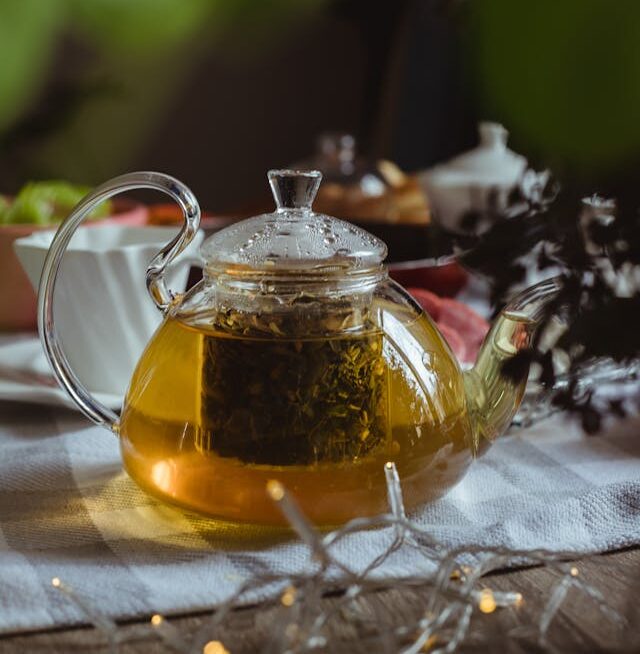
In the matcha vs green tea taste comparison, the experiences are quite different. Green tea has a light, delicate flavour — grassy, mildly vegetal, slightly sweet (especially in Japanese sencha), with a clean finish. It’s easy to drink daily without fatigue. High-quality matcha has a complex, rich, layered flavour — naturally sweet with strong umami depth, slightly grassy, and subtly creamy. The shade-growing increases glutamate content, which produces the distinctive savoury-sweet umami character. Lower-quality matcha can be intensely bitter and astringent, which is why grade matters enormously for drinking matcha. As Hugo Tea notes, matcha surrounds you with richness where green tea offers perspective — a view through the leaf rather than within it.
Preparation
The matcha vs green tea preparation gap is significant. Green tea preparation is simple: place tea leaves or a bag in a cup, add hot water (70–80°C for Japanese green teas, slightly lower for delicate varieties), steep for 1–3 minutes, remove leaves, drink. Total active time: 2–3 minutes. Matcha preparation is more involved: sift the powder, heat water to exactly 80°C, whisk vigorously for 30–60 seconds with a bamboo chasen. For a matcha latte, steam and froth milk additionally. Total active time: 4–7 minutes. Matcha’s preparation can be a calming mindful ritual — which is part of its appeal — but it does require more attention and specific equipment than a tea bag.
Versatility
Both teas are versatile, but in different directions. Green tea brews beautifully, iced or hot, and is naturally suited for repeated daily consumption. Matcha is far more versatile as an ingredient: it can be used in lattes, smoothies, baked goods, ice cream, pasta, salad dressings, and chocolate — its powder format and vibrant colour make it a culinary ingredient as well as a beverage. See our full matcha latte guide for the most popular preparation format.
Health Benefits: Matcha vs Green Tea
Both sides of the matcha vs green tea comparison have genuine, well-documented health benefits. Green tea has one of the largest evidence bases of any beverage: epidemiological studies consistently link regular green tea consumption with reduced cardiovascular disease risk, lower LDL cholesterol, improved blood pressure, reduced risk of type 2 diabetes, and lower rates of certain cancers. These associations are largely attributed to catechin antioxidants, particularly EGCG, and to L-theanine’s effects on stress and cognitive function. Matcha shares all these benefits — but because it delivers higher concentrations of the active compounds per serving, the theoretical benefit per cup is greater. However, it’s important to note that most of the large-scale human studies on green tea health benefits have been conducted on brewed green tea, not matcha specifically. The extrapolation to matcha is scientifically reasonable but not identical.
Cost and Practicality: Matcha vs Green Tea
The matcha vs green tea cost comparison is clear: quality matcha is significantly more expensive than quality green tea. Ceremonial-grade matcha typically costs £25–50 per 30g tin — yielding approximately 15–20 servings at £1.50–3.00 per cup made at home. A good quality loose-leaf Japanese sencha green tea costs £8–20 per 100g — yielding 50–100 cups at £0.15–0.40 per cup. The cost difference is substantial. This is why many health-oriented people use green tea as their daily staple (multiple cups daily) and matcha for 1–2 focused servings per day, or on occasions when they specifically want the heightened focus and richer nutritional profile matcha provides. For everyday hydration and antioxidant intake, quality green tea is excellent value. For targeted cognitive performance, stress reduction, or higher-dose EGCG, matcha earns its premium. For more matcha guidance, see our what is matcha guide and matcha caffeine comparison. Hugo Tea Company’s matcha vs green tea guide is an excellent specialist reference.
Which Should You Choose?
In the matcha vs green tea choice, the right answer depends on your goals. Choose green tea if: you want a daily, gentle antioxidant habit with minimal preparation; you prefer a light, delicate flavour; you’re caffeine-sensitive and prefer lower caffeine intake; you want maximum value for daily consumption; or you drink multiple cups of tea throughout the day. Choose matcha if: you want maximum antioxidant and L-theanine concentration in a single serving; you’re replacing coffee and want the focused energy effect with less anxiety; you enjoy the preparation ritual as a mindfulness practice; you want a versatile ingredient for lattes, baking, and cooking; or you want the highest EGCG delivery per cup possible. Many wellness-focused people drink both — green tea throughout the day for gentle hydration and antioxidants, and a morning matcha for its distinctive focused energy state. There’s no conflict between the two, and their different profiles are genuinely complementary.
🍵 Matcha vs green tea — not a competition, a choice.
Green tea is your everyday companion: easy, affordable, and consistently beneficial. Matcha is your focused morning ritual: more potent, more nutritionally concentrated, and more demanding to prepare. Used wisely, both earn their place in a balanced wellness routine.
Disclaimer: This article is for educational purposes only. Neither matcha nor green tea is a treatment for any medical condition. If you have health concerns about caffeine or tea consumption, consult a qualified healthcare professional.