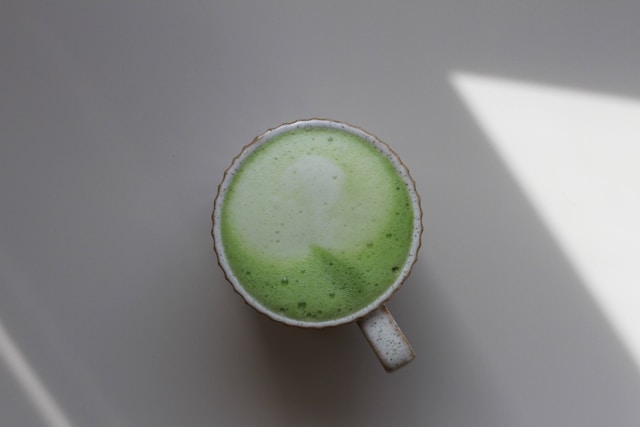
⚡ TL;DR — Matcha Latte
- A matcha latte is ceremonial or premium matcha powder whisked into a small amount of hot water, then topped with steamed or frothed milk.
- It delivers all the health benefits of matcha (EGCG antioxidants, L-theanine, caffeine) in a creamy, café-style format that’s delicious hot or iced.
- The secret to a great matcha latte is sifting the matcha before whisking and using 80°C (not boiling) water for the concentrate — boiling water makes matcha bitter.
- Oat milk is the most popular non-dairy choice; full-fat oat milk produces the creamiest result closest to café quality.
The matcha latte has become one of the most popular wellness drinks of the decade — a creamy, vibrant green beverage that’s both beautiful and genuinely good for you. Unlike the green tea shot (which contains no tea) or a simple matcha tea (which is just powder and water), a matcha latte adds steamed or frothed milk to create something richer and more indulgent while retaining all the antioxidant, cognitive, and health benefits of the matcha itself. This guide gives you the definitive recipe, professional tips for café-quality results at home, dairy-free variations, and what to look for when ordering one out.
What Is a Matcha Latte?
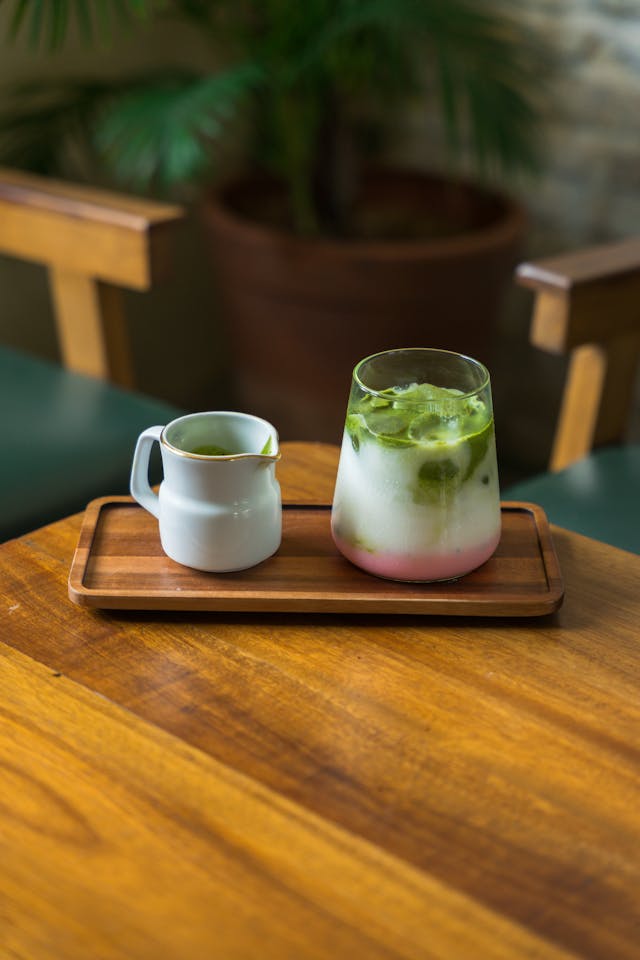
A matcha latte is a two-part preparation: first, matcha powder is whisked with a small amount of hot (not boiling) water to create a concentrated paste or thin liquid; then, steamed or frothed milk is added to fill the cup. This differs from traditional matcha (usucha — thin tea), where matcha is whisked directly into water and consumed as a tea. The milk addition creates a creamier, less intense flavour profile that many people find more accessible than straight matcha, while the matcha concentrate retains its full nutritional potency. A matcha latte is neither a tea nor a coffee — it occupies its own category, combining the ritual of espresso preparation with the botanical depth of Japanese tea culture.
Health Benefits of a Matcha Latte
A well-made matcha latte retains all the health benefits of matcha. Each serving delivers 60–80mg caffeine with ~45mg L-theanine for sustained, jitter-free focus. EGCG catechins (the most studied antioxidant in green tea) support cardiovascular health, metabolic function, and anti-inflammatory effects. Chlorophyll from the whole-leaf powder supports detoxification pathways. The unique caffeine-L-theanine combination produces alpha brain wave activity associated with calm alertness — making a morning matcha latte a genuinely functional beverage, not just a trend. Adding milk does slightly reduce EGCG bioavailability (milk proteins can bind to catechins) — this is a real effect but modest at normal latte ratios; the health benefits remain substantial even with milk added.
💡 Did You Know? The matcha latte (as opposed to traditional matcha tea) is a Western invention — it emerged from specialty coffee culture in the early 2000s, when baristas began adapting matcha preparation using espresso machines and milk frothers. In Japan, the traditional preparation is matcha whisked in water alone. The matcha latte has since become globally mainstream and is credited with introducing matcha to audiences who might never have encountered traditional tea ceremony culture.
Classic Matcha Latte Recipe (Hot)
Ingredients (serves 1)
For a café-quality matcha latte: 2g (½–1 tsp) ceremonial or premium culinary matcha powder; 30–40ml hot water at 80°C/175°F (not boiling); 200–240ml milk of choice (oat, dairy, almond, soy, or coconut); optional: ½–1 tsp sweetener (honey, maple syrup, or sugar — added to taste).
Instructions
Step 1: Sift the matcha through a fine-mesh strainer into your cup or bowl — this removes lumps and is essential for a smooth result. Step 2: Add 30–40ml of water at 80°C — use a thermometer or allow boiling water to cool for 2 minutes. Never use boiling water — it denatures the matcha and creates bitterness. Step 3: Whisk briskly in a W or M motion using a bamboo chasen or a small electric milk frother for 30–60 seconds until the matcha is fully dissolved and frothy. Step 4: Heat and froth your milk to approximately 60–65°C (just below scalding) using a frother, milk steamer, or by heating gently and whisking vigorously. Step 5: Pour the steamed milk over the matcha concentrate. The matcha sinks slightly and the milk creates a gentle swirl — you can use a spoon to create latte art patterns if desired. Step 6: Add sweetener if desired. Serve immediately.
Iced Matcha Latte Recipe
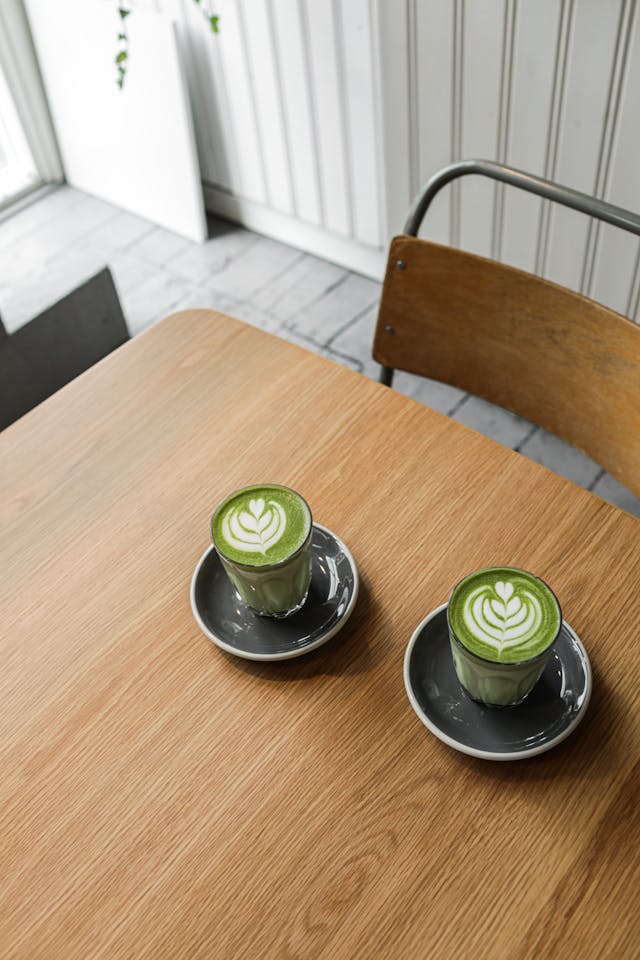
The iced matcha latte has become one of the most popular café drinks globally. Ingredients: same as above, but with cold milk and ice instead of steamed milk. Preparation: sift and whisk matcha with the 30–40ml of hot water concentrate exactly as above — this step still uses hot water to properly dissolve the matcha. Fill a glass with ice. Pour the cold milk over the ice (200–240ml). Pour the matcha concentrate over the milk — it will sink through creating the characteristic layered appearance. Stir gently before drinking. Add sweetener directly to the concentrate before adding milk for best distribution. For a stronger, more intense iced matcha, use 3g matcha powder in the concentrate.
Best Milk Choices for Matcha Latte
The milk choice significantly affects the flavour, texture, and visual appeal of a matcha latte. Oat milk (barista edition) is the most popular non-dairy choice — it froths beautifully, has a neutral sweetness that complements matcha, and produces a creamy, café-quality result. Full-fat oat milk performs best. Whole dairy milk: traditional and produces the richest, most luscious result — very high frothability and natural sweetness. Almond milk: light, slightly nutty, lower calorie — doesn’t froth as well and can separate, but works fine in iced preparations. Coconut milk (full fat from a can): very rich, slightly tropical flavour — works beautifully in both hot and iced versions. Soy milk: good protein content, froths reasonably well, can have a slight beany note. Avoid rice milk and thin oat milks for hot lattes — they froth poorly and can produce a watery result.
Tips for Café-Quality Matcha Latte at Home
Professional tips for the perfect home matcha latte: Always sift — unsifted matcha creates lumpy, unpleasant results. Never use boiling water for the matcha concentrate — 80°C is the sweet spot. Use a bamboo chasen (whisk) for a traditional frothy result, or a small battery-powered milk frother as an excellent and inexpensive alternative. Buy fresh matcha — matcha oxidises quickly once opened; store in an airtight container in the refrigerator and use within 6–8 weeks of opening. Ceremonial grade makes a superior plain latte; culinary grade works better in sweetened or flavoured preparations where its bitterness is masked. Use a pre-warmed cup — pour hot water into the cup before making your latte to warm it, then discard before adding your drink. This keeps the latte hot significantly longer. For the best internal links on this topic, see our what is matcha guide and matcha caffeine guide. For inspiration and matcha education, Hugo Tea’s matcha guides and Art of Tea’s matcha overview are excellent quality references.
What to Look for When Ordering Matcha Lattes Out
When ordering a matcha latte at a café, these signals indicate quality. Good: the barista sieves or whisks the matcha separately before adding milk; the latte is a vibrant, bright green (not dull or khaki-coloured); there’s no sweetener added unless requested; the matcha tastes fresh and slightly umami, not bitter or grassy. Warning signs: the latte is made from a pre-mixed sweetened matcha syrup or powder blend (common in chain coffee shops); the colour is dull yellow-green; it tastes very sweet and lacks any matcha depth; or the preparation involves a blender rather than a whisk. Many commercially served “matcha lattes” use cheap pre-sweetened matcha mixes that contain very little actual matcha — asking the café what grade and brand of matcha they use is a reasonable question at a specialty coffee shop.
🍵 A great matcha latte at home is five minutes and the right technique.
Sift your matcha, use 80°C water for the concentrate, froth your oat milk, and pour. The result is better than most cafés, costs a fraction of the price, and delivers genuine health benefits with every cup.
Disclaimer: This article is for educational and culinary purposes. Matcha lattes are not medical treatments. If you have caffeine sensitivity or health conditions, consult a healthcare professional about appropriate intake.