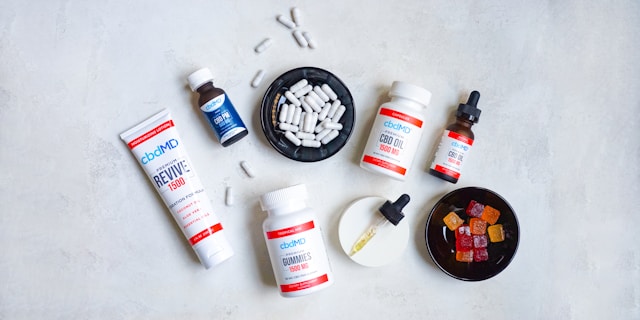
⚡ TL;DR — CBD Gummies for Pain at a Glance
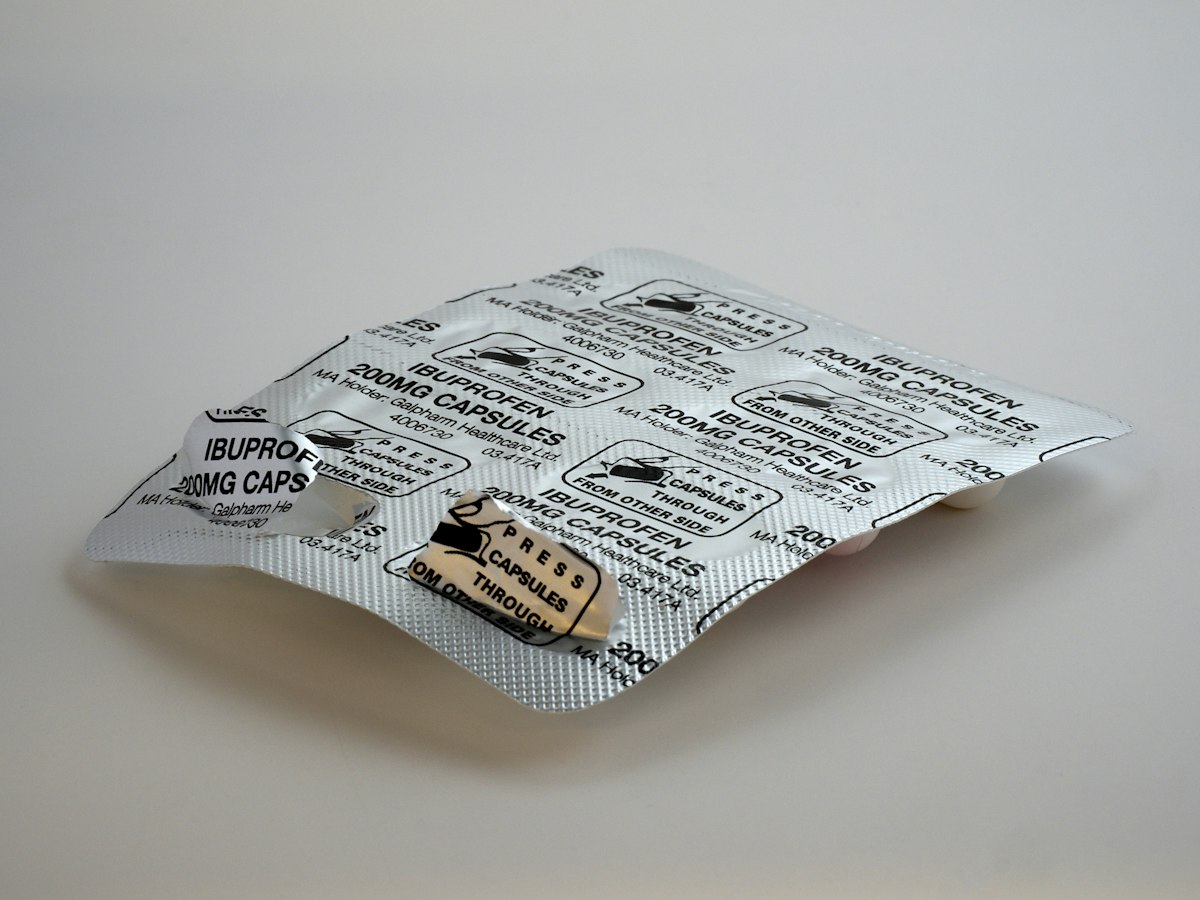
- CBD gummies for pain can help reduce inflammation and modulate pain signals — but they’re not a painkiller and don’t work the same way as ibuprofen.
- Research supports CBD for chronic pain, neuropathic pain, and inflammation-related discomfort at doses of 25–50 mg per day.
- Gummies have lower bioavailability than CBD oil (~6–15%), so you may need a slightly higher dose — but the effects last longer.
- Look for full-spectrum or broad-spectrum gummies with a third-party Certificate of Analysis (COA) for guaranteed quality and potency.
CBD gummies for pain have become one of the most searched natural remedies online — and for good reason. Millions of people dealing with chronic back pain, joint inflammation, nerve discomfort, or post-workout soreness are looking for alternatives to conventional painkillers that come with a long list of side effects and dependency risks. But does CBD actually work for pain — or is it just clever marketing? This guide cuts through the noise with what the science actually says, how CBD gummies work, what dosage to expect, and how to choose a product worth buying.
📋 Table of Contents
- How CBD Works for Pain
- What Research Says About CBD Gummies for Pain
- Types of Pain CBD Gummies Help Most
- CBD Gummies for Pain: Dosage Guide
- What to Look for When Buying CBD Gummies for Pain
- A Real-World Example
- Common Misconceptions
- Building a Pain Management Routine with CBD Gummies
- When to Seek Professional Help
How CBD Works for Pain
To understand why CBD gummies for pain can be effective, you need to understand how CBD interacts with the body’s pain-regulating systems. CBD works primarily through the endocannabinoid system (ECS) — a network of receptors (CB1 and CB2) found throughout the brain, spinal cord, immune system, and peripheral tissues that regulates pain perception, inflammation, and stress response.
Unlike THC, CBD doesn’t bind directly to CB1 receptors (which would cause psychoactive effects). Instead, it works through multiple mechanisms simultaneously: it inhibits the FAAH enzyme (increasing your body’s natural pain-modulating compounds), interacts with TRPV1 receptors that regulate pain and temperature signals, modulates serotonin receptors linked to pain processing, and reduces inflammatory cytokine production through CB2 receptor activity in immune tissue. This multi-target approach is why CBD for pain is so broadly applicable across different pain types.
💡 Did You Know? The FDA approved Epidiolex — a pharmaceutical-grade CBD medication — for treating rare epilepsy syndromes, making CBD the only cannabinoid with full FDA drug approval. While this approval is for epilepsy, it underscores CBD’s legitimacy as a pharmacologically active compound with real therapeutic potential.
What Research Says About CBD Gummies for Pain
The evidence base for CBD gummies for pain is still growing, but several well-designed studies support its use for specific types of pain. A 2018 systematic review in the Journal of Pain Research examined 132 original studies on cannabinoids and pain, concluding that CBD produced “effective pain relief” in the majority of included trials — particularly for neuropathic pain and inflammatory conditions.
A landmark 2020 survey of CBD users published in Cannabis and Cannabinoid Research found that 36% of respondents used CBD for pain management, and the majority reported it as “very effective” or “effective” — with a significantly better side-effect profile than conventional pain medications. Arthritis-related pain is one of the most commonly cited use cases, and the Arthritis Foundation has acknowledged the growing interest in CBD among its patient community.
More recently, a 2022 study from PLOS One found that participants using full-spectrum CBD for knee pain reported meaningful improvements in pain levels, stiffness, and physical function over eight weeks. The research isn’t yet at the level of large-scale randomised controlled trials for gummies specifically, but the mechanistic evidence and real-world data are both consistent and encouraging.
Types of Pain CBD Gummies for Pain Help Most
Not all pain is the same, and CBD gummies for pain are not equally effective across all pain types. Here’s where the evidence is strongest:
Inflammatory Pain (Arthritis, Joint Pain)
CBD’s CB2 receptor activity in immune tissue directly reduces the inflammatory signals that drive arthritis and joint pain. Preclinical studies in animal models of arthritis have consistently shown reduced paw swelling, lower inflammatory markers, and improved mobility after CBD treatment. Human survey data supports similar outcomes, with CBD users reporting notably less joint stiffness and pain.
Neuropathic Pain (Nerve Pain, Fibromyalgia)
Neuropathic pain — caused by nerve damage or dysfunction — is notoriously difficult to treat with standard medications. CBD’s interaction with TRPV1 receptors (which regulate nerve sensitivity) and its modulation of serotonin pathways make it particularly promising for this type of pain. Multiple clinical studies, including trials in multiple sclerosis patients, have found CBD effective for reducing neuropathic pain severity.
Muscle Soreness and Post-Exercise Pain

CBD gummies for post-workout recovery are increasingly popular among athletes. CBD’s anti-inflammatory properties help reduce DOMS (delayed onset muscle soreness) by lowering cytokine levels and reducing oxidative stress in muscle tissue. A 2021 review in Sports Medicine found emerging evidence for CBD’s utility in exercise recovery, though larger trials are still needed.
Chronic Back Pain
Chronic back pain — one of the leading causes of disability globally — has both inflammatory and neuropathic components. CBD addresses both through its multi-target mechanism, making it a useful complementary approach. Users typically report CBD gummies for back pain providing modest but meaningful relief, particularly when the pain is worsened by inflammation or muscle tension.
CBD Gummies for Pain: Dosage Guide
When it comes to CBD gummies for pain dosage, the key thing to understand is that gummies have lower bioavailability than sublingual CBD oil — roughly 6–15% versus 20–35% for oil drops. This means the same milligram amount in a gummy produces a less intense but longer-lasting effect compared to oil. Most pain-focused users find they need a slightly higher mg dose in gummy form to achieve comparable relief.
| Pain Level / Use Case | Suggested Daily Dose (Gummies) | Timing |
|---|---|---|
| Mild discomfort / general wellness | 15–25 mg | Once daily, any time |
| Moderate chronic pain | 25–50 mg | Split AM/PM or as needed |
| Severe or persistent pain | 50–100 mg | Split into 2–3 doses through the day |
| Post-workout recovery | 25–50 mg | Within 1 hour after exercise |
Start with the lower end and increase by 5–10 mg every 5–7 days until you find effective relief. Remember that gummies take 45–90 minutes to kick in (they’re absorbed through the digestive system), so take them well in advance of when you anticipate peak pain. For a more detailed look at CBD dosing by body weight and condition, see our comprehensive CBD Dosage Guide for Beginners.
What to Look for When Buying CBD Gummies for Pain
Not all CBD gummies for pain are created equal — and with a largely unregulated market, product quality varies enormously. Here’s what genuinely matters when evaluating a product:
- Full-spectrum vs. broad-spectrum vs. isolate: Full-spectrum gummies contain CBD plus other cannabinoids, terpenes, and trace THC (under 0.3%). This produces the “entourage effect” — synergistic interaction that makes CBD more effective. Broad-spectrum removes THC while keeping other compounds. Isolate is CBD alone. For pain, full-spectrum or broad-spectrum tend to produce better results than isolate.
- Third-party Certificate of Analysis (COA): This is non-negotiable. A COA from an independent lab confirms actual CBD content, verifies THC is within legal limits, and screens for contaminants (pesticides, heavy metals, solvents). Never buy a CBD gummy brand that doesn’t make its COA easily available.
- Potency per gummy: Most standard gummies contain 10–25 mg of CBD per piece. For pain management, gummies with 25 mg or more per piece make it easier to reach therapeutic doses without eating multiple gummies.
- Organic hemp source: Hemp is a bioaccumulator — it absorbs whatever is in the soil, including heavy metals and pesticides. USDA organic certification or verified pesticide-free farming is important for a safe daily supplement.
- Added ingredients: Some CBD pain gummies include complementary ingredients like turmeric (anti-inflammatory), ginger, or melatonin (for pain + sleep). These can enhance the overall effect but check for allergens and sugar content.
A Real-World Example: Using CBD Gummies for Pain
James, 52, a retired teacher with chronic knee osteoarthritis, started using CBD gummies for pain after his doctor mentioned them as a potential complement to his existing anti-inflammatory protocol. He began with two 25 mg gummies daily — one in the morning and one before bed — using a full-spectrum product with a verified COA.
By week two, James reported better morning stiffness. By week four, his pain scores dropped from a self-rated 6/10 to a 3–4/10, and he was sleeping longer without being woken by knee discomfort. He described it as “not a cure, but a meaningful difference in daily quality of life.” James didn’t stop his other treatments — he added CBD gummies as a complementary layer of support. That’s the realistic, well-calibrated expectation to bring to CBD gummies for pain: meaningful improvement in chronic conditions, particularly inflammatory ones, when used consistently at the right dose.
Common Misconceptions About CBD Gummies for Pain
“CBD gummies work like a painkiller — they’ll numb the pain immediately.” CBD gummies are not analgesics in the traditional sense. They reduce inflammation and modulate pain signalling, but they don’t produce the fast-acting numbing effect of NSAIDs or opioids. Results typically build over days to weeks of consistent use. If you take two gummies and expect your pain to disappear in 30 minutes, you’ll likely be disappointed.
“Any CBD gummy will work the same.” Product quality varies enormously. A gummy with 10 mg of mislabelled CBD isolate from non-organic hemp has almost nothing in common with a 25 mg full-spectrum, third-party tested gummy from certified organic hemp. Always verify the COA and the spectrum type before assuming a product will produce therapeutic results.
“CBD gummies for pain will get me high.” Legal hemp-derived CBD gummies contain less than 0.3% THC — a quantity too low to produce any psychoactive effect. Even full-spectrum products with trace THC don’t cause intoxication. If a product label doesn’t confirm THC content, always check the COA for confirmation.
Building a Pain Management Routine with CBD Gummies
The most effective approach to using CBD gummies for pain is to build them into a consistent daily routine rather than using them reactively. Here’s a simple framework:
- Morning: Take 25 mg CBD gummies with breakfast to build a consistent baseline throughout the day. This helps manage morning stiffness and establishes daily ECS support.
- Pre-activity: If you exercise or have a physically demanding schedule, take an extra 25 mg 60–90 minutes beforehand to reduce inflammation during and after.
- Evening: A second dose of 25–50 mg before bed can help with pain-related sleep disruption and supports overnight tissue recovery.
Keep a simple pain journal for the first 30 days: rate your pain 1–10 in the morning and evening, note sleep quality, and track your dose. This will help you identify your optimal dose and timing — and provide real evidence for whether CBD is working for your specific pain profile. For a broader look at other CBD supplement formats and how they compare, see our guide on CBG Oil vs CBD Oil Benefits.
When to Seek Professional Help
CBD gummies can be a valuable complementary tool for chronic pain management, but they are not a replacement for medical evaluation or treatment. If your pain is severe, worsening, or unexplained, see a doctor — do not attempt to self-manage with CBD alone. CBD should complement, not replace, medically supervised pain management plans.
If you take prescription pain medications, blood thinners, or other drugs metabolised by the liver’s CYP450 system, speak with your healthcare provider before adding CBD gummies. The Arthritis Foundation provides clear guidance on CBD for arthritis patients, including when to involve your doctor. And if pain is impacting your sleep, mobility, or mental health, professional support is essential alongside any natural supplement.
🌿 Curious whether CBD gummies for pain could work for you?
Start with a quality full-spectrum product, commit to a consistent daily dose for 4 weeks, and track your results. The science is promising — and so are the experiences of millions of people managing chronic pain more naturally. Always choose third-party tested gummies and consult your doctor if you take any medications.
Disclaimer: The information in this article is for educational purposes only and has not been evaluated by the FDA. CBD products are not intended to diagnose, treat, cure, or prevent any disease. Always consult a qualified healthcare professional before starting any new supplement regimen, especially if managing a chronic health condition.