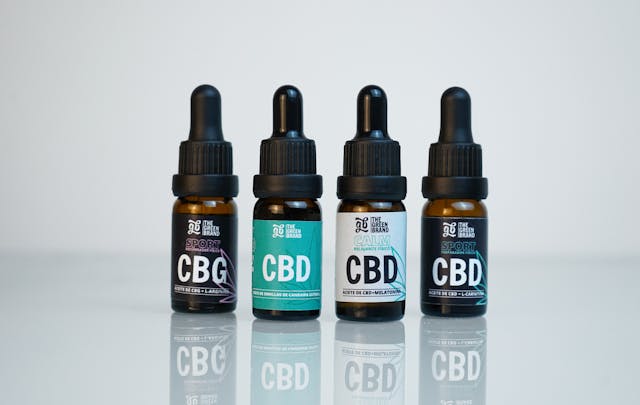
⚡ TL;DR — CBG Oil Benefits vs CBD Oil Benefits at a Glance
- CBG oil benefits are best for daytime focus, gut health, neuroprotection, and targeted anti-inflammatory support — it binds directly to CB1 & CB2 receptors.
- CBD oil benefits shine for anxiety relief, sleep quality, chronic pain, and broad whole-body balance — it works indirectly through the endocannabinoid system.
- A 2024 Nature-published clinical study found CBG significantly reduced anxiety and stress without any cognitive impairment — evidence that both cannabinoids can support mental wellbeing in different ways.
- Neither is “better” — the right choice depends on your goal. Many people use both: CBG in the morning, CBD in the evening.
When comparing CBG oil benefits vs CBD oil benefits, most people expect a simple winner — but the reality is far more interesting. These two hemp cannabinoids come from the same plant, look nearly identical in a dropper bottle, and are both completely non-psychoactive. Yet they work through entirely different mechanisms in your body, producing effects that are complementary rather than competing. Understanding exactly what each one does — and when — is the key to getting real results from either.
📋 Table of Contents
- How CBG Oil and CBD Oil Work Differently
- CBG Oil Benefits: What CBG Does Best
- CBD Oil Benefits: What CBD Does Best
- CBG Oil Benefits vs CBD Oil Benefits: Side-by-Side
- Real-World Example: Choosing Based on Your Goals
- Common Misconceptions
- Building a Daily Routine Around CBG and CBD Benefits
- When to Seek Professional Help
How CBG Oil and CBD Oil Work Differently
To understand CBG oil benefits vs CBD oil benefits, you first need to understand how each cannabinoid interacts with your endocannabinoid system (ECS) — the network of receptors that regulates mood, sleep, immune response, inflammation, and pain throughout your body.
CBD (cannabidiol) works indirectly. Rather than docking onto ECS receptors, it inhibits the enzyme FAAH, which normally breaks down anandamide — your body’s naturally produced “bliss molecule.” By slowing anandamide’s breakdown, CBD allows it to circulate longer, producing a gentle, broad calming and balancing effect. CBD also modulates serotonin receptors (5-HT1A), which partly explains its well-documented anxiety-reducing properties.
CBG (cannabigerol) is known as the “mother of all cannabinoids” because every cannabinoid in the hemp plant begins as CBGA — the acidic precursor to CBG — before the plant converts it into CBD, THC, and others. By the time hemp matures, less than 1% remains as CBG, making it significantly rarer than CBD. Unlike CBD, CBG binds directly as a partial agonist at both CB1 and CB2 receptors, and also engages alpha-2 adrenergic receptors involved in alertness and energy. This direct receptor binding gives CBG a more immediate, targeted effect profile.
💡 Did You Know? A landmark 2024 double-blind, placebo-controlled study published in a peer-reviewed journal found that a single 20 mg dose of hemp-derived CBG significantly reduced anxiety and stress in healthy adults — with participants also showing improved working memory compared to the placebo group. This was one of the first controlled human trials specifically on CBG.
CBG Oil Benefits: What CBG Does Best
The unique benefits of CBG oil stem directly from its direct receptor engagement. Here are the areas where CBG oil benefits are most clearly supported by research and user experience.
1. Daytime Focus and Mental Clarity
CBG’s activity at alpha-2 adrenergic receptors — the same receptors targeted by some focus-supporting medications — promotes mental alertness without the jitteriness of caffeine. Many users report that CBG oil produces a sense of being “switched on” and clear-headed within 20–30 minutes of a sublingual dose. This is why CBG has become a popular addition to morning wellness routines for people who want cognitive support without stimulants or psychoactives.
2. Gut Health and Inflammatory Bowel Support
One of the most distinctive CBG oil benefits is its effect on the gut. Preclinical studies have found CBG reduces inflammatory markers in models of inflammatory bowel disease (IBD) and colitis — conditions where standard CBD shows more limited direct effects. A 2024 study published in the Journal of Pharmacology and Experimental Therapeutics found that high-CBG hemp extract helped moderate colitis and positively influenced gut microbiome composition. For anyone managing digestive inflammation, CBG oil may offer targeted support that CBD simply cannot replicate.
3. Neuroprotection
Research from multiple institutions — including studies on Huntington’s disease, ALS, and Parkinson’s models — has highlighted CBG’s neuroprotective potential. CBG reduces oxidative stress and neuroinflammation, two key drivers of neurodegenerative conditions. A comprehensive 2024 review in Molecules (NCBI) confirmed CBG’s ability to protect neurons from damage through its anti-inflammatory and antioxidant mechanisms. While these findings are mostly preclinical, they position CBG oil as a cannabinoid worth serious attention for long-term brain health.
4. Targeted Anti-Inflammatory Effects
CBG inhibits COX-2 enzymes — the same enzymes targeted by common anti-inflammatory drugs — and reduces the production of pro-inflammatory cytokines. A 2025 study demonstrated CBG’s ability to suppress inflammatory markers in models of atopic dermatitis (skin inflammation), reducing redness, scaling, and epidermal hyperplasia. For people dealing with localised inflammation, chronic pain linked to inflammatory conditions, or post-exercise muscle soreness, CBG oil’s more direct anti-inflammatory action may offer stronger relief than CBD alone.
5. Appetite Stimulation
Unlike CBD, which tends to be neutral to mildly appetite-suppressive, CBG has been shown to stimulate appetite in animal studies — through a mechanism distinct from THC’s well-known effect. This makes CBG oil a potential support tool for individuals dealing with appetite loss due to illness, treatment side effects, or poor nutritional intake, without any psychoactive consequences.
CBD Oil Benefits: What CBD Does Best
CBD has the most extensively researched benefit profile of any cannabinoid. With decades of studies and even an FDA-approved drug (Epidiolex, for rare forms of epilepsy), CBD oil benefits are broad, well-documented, and accessible to nearly everyone.
1. Anxiety and Stress Relief
CBD is the most widely used cannabinoid for anxiety, and for good reason. By modulating serotonin receptors (5-HT1A) and increasing circulating anandamide, CBD produces a reliable calming effect that doesn’t cause sedation at moderate doses. Studies have shown CBD effective for generalised anxiety, social anxiety, and situational stress. Its anxiolytic effects are consistent and gentle, making it suitable for daily use without the risk of dependency or tolerance that pharmaceutical anxiolytics carry.
2. Sleep Quality Improvement
CBD oil is one of the most searched-for natural sleep supplements globally. Rather than sedating directly, CBD improves sleep by reducing the anxiety, pain, and mental restlessness that prevent restful sleep. Research has found CBD effective for people with insomnia linked to anxiety or chronic pain conditions. At higher doses (above 150 mg), CBD does appear to have mild direct sedative properties. For most users, 25–75 mg taken 30–60 minutes before bed produces noticeably better sleep quality within the first week of use.
3. Chronic Pain Management
CBD interacts with TRPV1 receptors (involved in pain and temperature sensation) and reduces inflammatory signalling through multiple pathways. This makes it effective for a wide range of pain types: muscle soreness, nerve pain, joint inflammation, and fibromyalgia-related discomfort. CBD’s pain relief is broad rather than targeted — it modulates the body’s overall pain response rather than zeroing in on a specific tissue or receptor pathway. For general chronic pain management, CBD oil benefits consistently outperform CBG in the current evidence base.
4. Neuroprotection and Mood Support
CBD also has neuroprotective properties, including the ability to reduce oxidative stress in brain tissue and support healthy neurotransmitter balance. Research has found CBD may help reduce symptoms of depression by influencing serotonin and glutamate receptor activity. It has also shown promise in reducing inflammation associated with conditions like multiple sclerosis and traumatic brain injury. While CBG’s neuroprotective mechanisms are more targeted (particularly around oxidative stress), CBD’s broader receptor engagement gives it a wider neuroprotective footprint overall.
5. Skin Health
CBD oil applied topically has become a mainstream ingredient in skincare, with research supporting its ability to reduce acne, calm inflammation, and regulate sebum production. Its anti-inflammatory and antioxidant properties make it effective for redness, sensitivity, and conditions like eczema and psoriasis when applied directly to affected skin. CBD’s extensive safety profile and accessibility make it the preferred cannabinoid for skincare formulations, though CBG’s emerging anti-inflammatory skin research (particularly for atopic dermatitis) may challenge this in coming years.
CBG Oil Benefits vs CBD Oil Benefits: Side-by-Side
Here’s a clear comparison of CBG oil benefits vs CBD oil benefits across the most common wellness goals:
| Wellness Goal | CBG Oil | CBD Oil | Winner |
|---|---|---|---|
| Daytime Focus | ✅ Direct alpha-2 receptor activity | ⚡ Reduces mental chatter | CBG |
| Anxiety Relief | ⚡ Emerging clinical data | ✅ Extensive research, 5-HT1A modulation | CBD |
| Sleep Quality | ❌ Can be stimulating at night | ✅ Reduces anxious sleep disruption | CBD |
| Gut Health / IBD | ✅ Strong preclinical data, colitis studies | ⚡ General anti-inflammatory support | CBG |
| Neuroprotection | ✅ Oxidative stress reduction, Huntington’s research | ✅ Broad neurotransmitter support | Both |
| Chronic Pain | ⚡ Anti-inflammatory, COX-2 inhibition | ✅ Broader pain pathway modulation | CBD |
| Inflammation | ✅ Direct COX-2 & cytokine reduction | ✅ Broad anti-inflammatory effects | Both |
| Appetite | ✅ Appetite-stimulating | ⚡ Neutral to mildly suppressive | CBG |
| Skin Health | ⚡ Emerging atopic dermatitis research | ✅ Established acne & inflammation use | CBD |
| Research Maturity | Growing — first human trial 2024 | Extensive — FDA-approved drug (Epidiolex) | CBD |
| Cost | Higher ($3–6/gram isolate) | Lower (under $1/gram isolate) | CBD |
Real-World Example: Choosing Based on Your Goals
Consider two people with different wellness priorities and how the CBG oil benefits vs CBD oil benefits comparison plays out in practice.
Marcus, 38, software developer: Marcus struggles with afternoon mental fatigue and difficulty focusing during long coding sessions. He tried CBD oil but found it made him feel “too relaxed to think clearly.” After switching to a morning dose of CBG oil (20 mg sublingually), he reports consistently sharper attention for the first four to five hours of his workday — without any energy crash. He still uses CBD oil in the evening to help switch off and get restful sleep.
Leila, 44, HR manager: Leila deals with work-related anxiety and difficulty sleeping more than five hours straight. She tried CBG oil after reading about it, but found it too energising at any time of day. A 50 mg CBD oil dose taken at 9pm changed her routine dramatically — her anxiety quieted within 30 minutes, and she started sleeping through to her alarm for the first time in two years. For Leila, CBD oil benefits are clearly the right fit.
Both stories are common — and they illustrate why there’s no universal winner in the CBG oil benefits vs CBD oil benefits debate. The right cannabinoid depends entirely on what your body needs at what time of day.
Common Misconceptions About CBG and CBD Oil Benefits
“CBG is just a stronger version of CBD.” This is one of the most frequent misconceptions. CBG and CBD are not on the same spectrum of potency — they’re simply different compounds with different mechanisms. CBG isn’t “stronger” than CBD; it just excels in different areas. Comparing them directly on a single axis misses the point entirely.
“CBD oil is the safe option and CBG is experimental.” While CBD has more clinical data behind it, CBG has been used safely in research for years and is now entering formal clinical trials. Both cannabinoids are considered non-toxic and well-tolerated. The 2024 Molecules review found no significant safety concerns in existing CBG research — and the 2024 human clinical trial specifically confirmed CBG’s safety in healthy adults. “More research exists” is different from “safer.”
“You have to choose one or the other.” You don’t. Many of the most effective hemp wellness routines use both cannabinoids, at different times and ratios, to cover the full arc of daily wellness needs. For a practical guide to combining them, see our post on how to use CBG and CBD together for better results.
Building a Daily Routine Around CBG and CBD Oil Benefits
The most effective approach to getting the benefits of both oils is to match the cannabinoid to the time of day and goal. A simple framework that many users find effective looks like this:
- Morning (7–8am): 15–25 mg CBG oil sublingually — for mental clarity, focus, and physical readiness for the day ahead.
- Midday (optional): A 1:1 CBG+CBD blend (10–15 mg each) if you need sustained balance without sleepiness.
- Evening (8–9pm): 25–50 mg CBD oil sublingually — for anxiety wind-down, physical relaxation, and sleep preparation.
Always start at the lower end of the dosage range and adjust gradually over 1–2 weeks. Keep a brief daily note — dose, time, and how you felt 1 hour later — so you can identify your personal sweet spot. And always choose products with third-party Certificates of Analysis (COA) to verify the actual cannabinoid content in what you’re taking.
For a deeper dive into which products work best for each oil format, see our comprehensive CBG Oil vs CBD Oil comparison guide covering product types, dosing formats, and what to look for when buying.
When to Seek Professional Help
Both CBG oil and CBD oil are generally very safe and well-tolerated, but there are circumstances where professional guidance is important. If you take prescription medications — particularly blood thinners, anti-epileptics, antidepressants, or immunosuppressants — speak with your doctor before adding either cannabinoid to your routine. Both interact with the CYP450 liver enzyme system, which means they can influence how your body metabolises certain drugs. This isn’t inherently dangerous, but it does require medical awareness.
If you are pregnant, breastfeeding, or managing a serious health condition, always consult a qualified healthcare provider before starting any hemp supplement. The World Health Organization recognises CBD as generally safe but notes individual variation in response. Start low, increase slowly, and listen to your body — and when in doubt, get professional guidance. No supplement, however promising, should replace medical care for serious conditions.
🌿 Ready to experience the benefits of CBG oil, CBD oil — or both?
Start with the cannabinoid that matches your primary wellness goal, give it two to three weeks, and keep a simple journal of your response. The right fit is out there — and understanding the science behind each oil is the first step to finding it.
Disclaimer: The information in this article is for educational purposes only and has not been evaluated by the FDA. Hemp-derived cannabinoid products are not intended to diagnose, treat, cure, or prevent any disease. Always consult a qualified healthcare professional before starting any new supplement regimen.