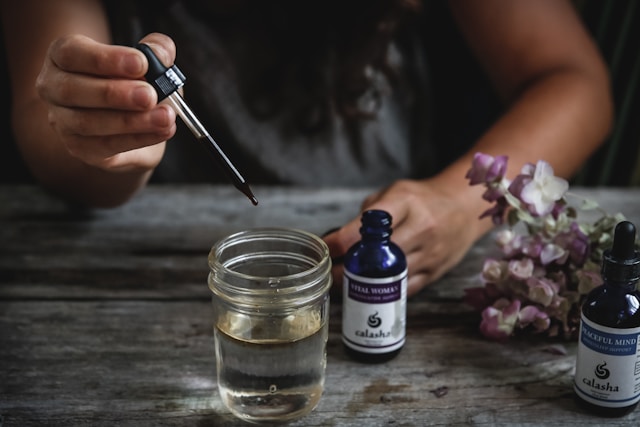
⚡ TL;DR — CBG vs CBD Oil at a Glance
- The difference between CBG and CBD oil comes down to how each cannabinoid interacts with your body — CBG binds directly to receptors, CBD works indirectly.
- CBD oil excels at calming anxiety, easing stress, and improving sleep — ideal for evening use.
- CBG oil is energising and clarifying — best for daytime focus, gut health, and targeted inflammation support.
- Both oils are non-psychoactive, hemp-derived, and federally legal — and they work even better when combined.
Understanding the difference between CBG and CBD oil is one of the most searched questions in natural wellness today — and for good reason. Walk into any health shop or browse any supplement site in 2026 and you’ll see shelves lined with both. They look similar. They come from the same plant. They’re both non-psychoactive. So what actually separates them — and does it matter which one you choose?
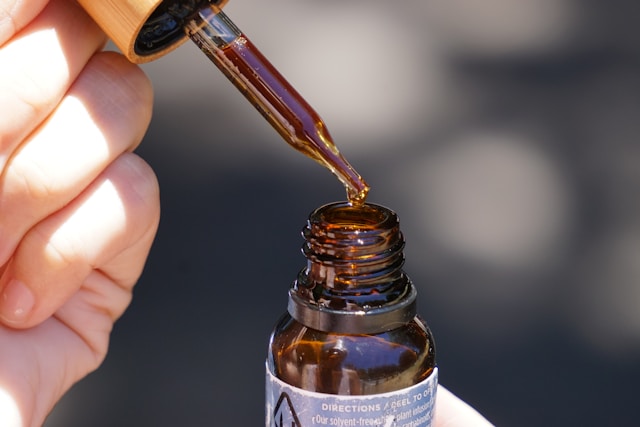
What Is CBD Oil?
CBD oil — short for cannabidiol oil — is made by extracting cannabidiol from hemp plants and blending it with a carrier oil such as MCT (coconut-derived) or hemp seed oil to improve absorption. It is by far the most widely used hemp supplement on the market and has an established body of clinical research behind it.
CBD does not bind directly to the CB1 or CB2 receptors in your endocannabinoid system (ECS). Instead, it works indirectly — primarily by inhibiting the enzyme FAAH, which normally breaks down anandamide (your body’s natural “bliss molecule”). The result is a gentle, broad-spectrum lift in mood, calm, and physical balance. In 2018, the FDA approved Epidiolex, a pharmaceutical-grade CBD product, for treating rare forms of childhood epilepsy — making it the only cannabinoid with full FDA approval.
CBD oil is best for: anxiety and stress relief, sleep support, chronic pain management, and broad wellness balance. Learn more about the science behind CBD in our in-depth guide: CBG vs CBD: The Complete 2026 Guide.
What Is CBG Oil?
CBG oil — short for cannabigerol oil — is made from the same extraction and blending process as CBD oil, but it captures a very different cannabinoid. CBG is often called the “mother of all cannabinoids” because every cannabinoid starts as CBGA (cannabigerolic acid), the acidic precursor to CBG. As the hemp plant matures, this compound converts into CBD, THC, and other cannabinoids, leaving less than 1% of the final plant as CBG. This scarcity makes CBG oil significantly rarer and more expensive than CBD oil.
Unlike CBD, CBG acts as a partial agonist at both CB1 and CB2 receptors — it steps directly onto those receptor sites. It also engages alpha-2 adrenergic receptors linked to focus and energy, and antagonises certain serotonin receptors in a way that’s distinct from how CBD interacts with the same system. This direct engagement explains why CBG oil tends to produce more noticeable, immediate effects compared to the subtle balancing act of CBD.
CBG oil is best for: daytime focus and mental clarity, appetite stimulation, gut health support (particularly IBD-related discomfort), and targeted anti-inflammatory benefits.
The Key Difference Between CBG and CBD Oil
The core difference between CBG and CBD oil is not just their source — it’s the entire chain of how they work in your body, what they do, and when you should take them. Here’s a side-by-side breakdown:
| Feature | CBD Oil | CBG Oil |
|---|---|---|
| Cannabinoid Type | Major (up to 20% of hemp plant) | Minor (<1% of mature hemp plant) |
| ECS Interaction | Indirect — FAAH inhibition | Direct — CB1 & CB2 receptor agonist |
| Effect Profile | Calming, relaxing, broad balance | Energising, focusing, targeted |
| Best Time of Day | Evening or anytime for stress | Morning or daytime use |
| Sleep Support | Strong — reduces anxious sleep disruption | Less suited to nighttime use |
| Focus Support | Reduces mental chatter | Actively sharpens attention |
| Appetite Effect | Neutral to mildly suppressive | Appetite-stimulating |
| Gut Health | General anti-inflammatory support | Specific IBD/colitis preclinical data |
| Research Maturity | Extensive — FDA-approved drug | Growing — first human clinical trial 2024 |
| Typical Price | Under $1/gram isolate | $3–$6/gram isolate |
| Psychoactive? | No | No |
💡 Did You Know? In July 2024, Washington State University published the first human clinical trial on CBG. The double-blind, placebo-controlled study found that a 20 mg dose of hemp-derived CBG significantly reduced anxiety and stress — without any intoxication or memory impairment. In fact, participants showed improved working memory compared to placebo.
Benefits of CBD Oil vs CBG Oil
CBD Oil Benefits
CBD oil has the most robust body of research of any cannabinoid outside of THC. According to a comprehensive review published in Frontiers in Pharmacology, CBD interacts with more than 65 molecular targets in the body — which explains its wide-ranging applications. Key areas of benefit include anxiety reduction, sleep quality improvement, chronic pain and inflammation management, neuroprotection, and epilepsy control (the FDA-approved pathway).
People often describe CBD oil as a “reset” — it doesn’t create noticeable effects so much as it removes the obstacles (anxiety, tension, pain) that get in the way of feeling well.
CBG Oil Benefits
CBG oil produces more direct, perceptible effects for most people. Its activity at alpha-2 adrenergic receptors explains the reports of sharper mental clarity and natural energy that users experience — without the jitteriness of caffeine or stimulants. Beyond focus, CBG oil shows particular promise for gut health: preclinical studies have found it reduces inflammatory markers associated with inflammatory bowel disease and colitis. A comprehensive review published in Molecules (NCBI) in late 2024 confirmed CBG’s anti-inflammatory, neuroprotective, antibacterial (including against MRSA), and antioxidant properties. Additionally, a 2025 Frontiers in Pharmacology cardiovascular review found CBG may support healthy blood pressure through its alpha-2 adrenergic receptor activity.
CBG oil also stands out for appetite stimulation — through a different mechanism than THC’s notorious “munchies.” This makes it potentially valuable for those dealing with appetite loss from illness or medication, without the psychoactive side effects.
How to Use CBG and CBD Oil
Both CBG and CBD oils are typically taken sublingually — held under the tongue for 30–60 seconds before swallowing. This method allows the cannabinoids to absorb directly through the mucosal membrane into the bloodstream, bypassing first-pass liver metabolism and producing effects within 15–30 minutes. Effects generally last 2–6 hours.
Capsules and gummies are also widely available for both compounds, though these take longer to kick in (45–90 minutes) because they go through the digestive system. The tradeoff is longer-lasting effects and easier dosing for people who don’t enjoy the earthy flavour of oil.
Suggested Starting Points
- CBD oil for anxiety or sleep: 15–25 mg, taken 30–60 minutes before bed or during a stressful period.
- CBG oil for daytime focus: 10–20 mg in the morning, on an empty or light stomach for faster uptake.
- CBG + CBD combination: Some people use a CBD-dominant oil in the evening and a CBG-rich or equal-ratio blend in the morning for full-day support.
Always start with the lowest effective dose and increase gradually. Since CBG oil is more expensive and more potent in its receptor activity, it’s especially worth starting low. And always look for products with third-party Certificates of Analysis (COA) — this is the only way to verify what’s actually in your oil.
Side Effects and Safety of CBG and CBD Oil
Both oils are generally well-tolerated with minimal side effects. CBD oil’s most commonly reported effects include dry mouth, mild drowsiness at higher doses, and occasional digestive upset. CBG oil may similarly cause dry mouth and, in some users, increased appetite.
Neither oil is psychoactive. Neither causes intoxication. Both are federally legal in the US under the 2018 Farm Bill, as long as they’re derived from hemp and contain less than 0.3% THC. That said, the World Health Organization notes that individual state and national laws vary — always verify local regulations before purchasing or travelling with hemp products.
One key caution: both CBD and CBG can interact with certain prescription medications by affecting how the liver metabolises drugs (via the CYP450 enzyme system). If you take medications, speak with your healthcare provider before adding either oil to your routine.
Which One Should You Choose?
Now that you understand the difference between CBG and CBD oil, the choice becomes simpler. It really comes down to your primary wellness goal and the time of day you want support.
Choose CBD Oil if you:
- Struggle with anxiety, stress, or sleep issues
- Want broad, gentle, whole-body wellness support
- Are new to hemp cannabinoids and want the most well-researched option
- Are on a budget (CBD oil is significantly more affordable)
Choose CBG Oil if you:
- Want sharper daytime focus and mental clarity without caffeine or stimulants
- Deal with gut inflammation, IBD, or poor appetite
- Found CBD oil “too subtle” and want something with a more noticeable effect
- Are interested in newer, emerging cannabinoid research
Choose Both if you:
- Want the full “entourage effect” — cannabinoids working synergistically
- Want morning energy plus evening recovery in one routine
- Are building a comprehensive, holistic daily wellness practice
Many users find the ideal approach is using CBG oil in the morning (for clarity and energy) and CBD oil in the evening (for calm and sleep). Together, they cover the full arc of a wellness day in a way neither can alone.
🌿 Ready to find the right hemp oil for your wellness routine?
Start with what your body needs most — and don’t be afraid to experiment with both. Remember: always choose third-party tested oils for the safest, most effective results. If you’d like a deeper dive into the science behind each cannabinoid, check out our comprehensive guide: CBG vs CBD: The Complete 2026 Guide.
Disclaimer: The information in this article is for educational purposes only and has not been evaluated by the FDA. Hemp-derived cannabinoid products are not intended to diagnose, treat, cure, or prevent any disease. Always consult a qualified healthcare professional before starting any new supplement regimen.