💚 TL;DR
- Blue light blocking glasses sleep benefits are real — they filter the wavelengths that suppress melatonin and delay your circadian clock.
- Blue light (380–500nm wavelength) from screens is most disruptive to sleep when consumed in the 2–3 hours before bed.
- Amber-lens glasses block 98%+ of blue light — clear-lens “blue light glasses” are largely ineffective for sleep.
- Used consistently from 8–9 pm, blue light blocking glasses can meaningfully improve melatonin onset and sleep quality.
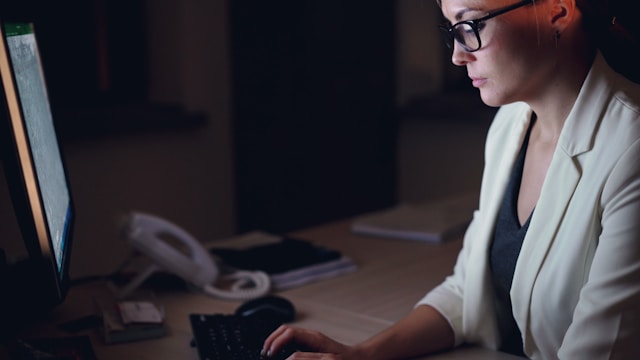
Blue light blocking glasses sleep benefits are now backed by a growing body of research — but whether your specific pair of glasses is actually doing anything depends entirely on the lens colour and the wavelengths they filter. In the USA and UK, screen time in the hours before bed has become the norm rather than the exception, and the blue-wavelength light emitted by phones, tablets, and laptops is one of the most potent circadian disruptors in the modern environment. Understanding how to use blue light-blocking glasses effectively could transform your sleep quality without requiring any other changes to your evening routine.
Why Blue Light Disrupts Sleep
The retina contains specialised photoreceptors called ipRGCs (intrinsically photosensitive retinal ganglion cells) that are maximally sensitive to blue wavelengths (around 480nm) and connect directly to the suprachiasmatic nucleus — the brain’s master circadian clock. When these cells detect blue light, they suppress melatonin production and signal “daytime” to the brain, delaying the circadian shift toward sleep. Screens emit blue light in exactly this range, and exposure in the evening hours can delay melatonin onset by 1.5–3 hours — pushing your natural sleep window significantly later than your intended bedtime.
The Science Behind Blue Light-Blocking Glasses: Sleep Benefits
A randomised controlled trial published in PubMed found that wearing amber-lens blue light blocking glasses in the 2 hours before bed significantly increased melatonin levels, reduced sleep onset latency, and improved subjective sleep quality compared to clear-lens controls. NHS sleep guidance recommends limiting screen exposure before bed — and blue light blocking glasses offer a practical alternative for those who cannot avoid screens in the evening.

Do Blue Light-Blocking Glasses for Sleep Actually Work? The Honest Answer
The honest answer is: amber-lens glasses, yes; clear-lens glasses marketed as “blue light blocking,” mostly no. The key distinction is lens colour. Transparent or very lightly tinted lenses that claim to block blue light typically filter only 10–20% of the relevant wavelengths — entirely insufficient for meaningful melatonin protection. True sleep-grade blue light blocking glasses sleep benefits come from amber or orange lenses, which block 98%+ of blue wavelengths and produce a visible yellow/orange colour cast on your visual field.
If you can look through your “blue light blocking glasses” and see colours with normal vibrancy, they are not providing meaningful protection for sleep purposes. True sleep-grade lenses should make everything look amber/orange-tinted.
5 Blue Light Blocking Glasses Sleep Benefits (With Amber Lenses)
1. Earlier Melatonin Onset
The primary blue light blocking glasses sleep benefit is a meaningful advance in your melatonin onset time — allowing your natural sleep hormone to rise at its intended biological time rather than being delayed by artificial light. This is particularly transformative for evening screen users who find themselves unable to fall asleep until midnight or later despite wanting to sleep earlier.
2. Faster Sleep Onset
Multiple studies show that wearing blue light blocking glasses 2 hours before bed reduces time to fall asleep — a direct consequence of allowing melatonin to rise naturally. Users commonly report falling asleep 20–40 minutes earlier with consistent use, representing one of the most accessible sleep improvements available.
3. Better Sleep Quality
Beyond falling asleep faster, the blue light blocking glasses’ sleep benefit for sleep quality — measured by subjective restfulness and objective sleep monitoring — is significant. By allowing the full natural melatonin arc to develop, they support more complete sleep cycles and deeper slow-wave sleep stages.
4. Reduced Eye Strain and Headaches
While the sleep-specific benefits are the primary focus, blue light blocking glasses sleep users frequently report secondary benefits including reduced eye strain, fewer headaches during evening screen use, and a more relaxed visual experience — all of which contribute to a calmer pre-sleep state.
5. Practical Harm Reduction
The most honest blue light blocking glasses sleep benefit may be pragmatic: they allow adults with unavoidable evening screen commitments — work emails, caregiving, studying — to meaningfully reduce the sleep impact of that screen exposure without eliminating it.
💡 Did You Know? Even dim indoor lighting — not just screens — contains enough blue wavelengths to delay melatonin in sensitive individuals. Cleveland Clinic research suggests that switching to warm, amber-toned LED bulbs in your home after sunset provides similar blue light blocking glasses sleep benefits for the ambient environment — and costs nothing once you’ve made the switch.
How to Use Blue Light Blocking Glasses for Sleep
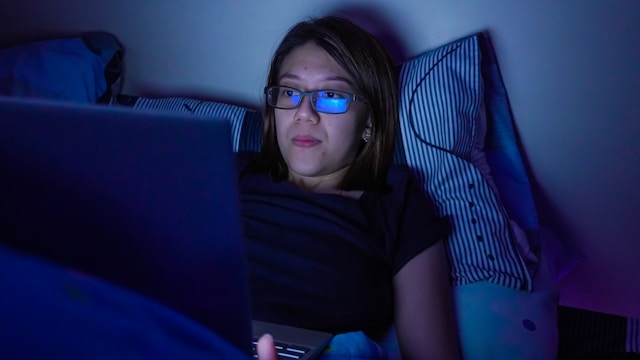
- When to wear them: Put on blue light blocking glasses 2–3 hours before your target sleep time (e.g., 8 pm for a 10 pm bedtime)
- Lens colour: Amber or orange lenses only — avoid clear or very lightly tinted “computer glasses.”
- Pair with: Dimming room lights, enabling night mode on all devices, and avoiding stimulating content
- Free alternative: Enable Night Shift (iOS), Night Light (Windows/Android), or f.lux on your devices — these shift the screen colour temperature toward warm tones and provide partial blue light reduction
For the complete evening sleep optimisation guide, see sleep hygiene tips for adults.
When to Seek Professional Help
If blue light blocking glasses sleep strategies don’t improve your sleep onset or quality after 2–3 weeks of consistent use, your sleep problem is likely driven by factors beyond light exposure — such as anxiety, cortisol dysregulation, sleep apnoea, or chronic insomnia — that require a more comprehensive approach. Please consult your GP for further assessment.
🕶️ Are You Using Blue Light Glasses Yet?
Have you tried blue light-blocking glasses for sleep? Share your experience in the comments!
📖 Read next: How to Fall Asleep Faster — combine blue light glasses with these powerful techniques for maximum sleep onset improvement.