⚡ TL;DR — Calamine Lotion
- Calamine lotion is a zinc oxide-based topical remedy that relieves itching, soothes inflamed skin, and provides a mild antiseptic and drying effect.
- Its most common uses include chickenpox, heat rash, insect bites, poison ivy, sunburn, eczema flare-ups, and mild acne.
- Apply to clean, dry skin up to 3–4 times daily — shake the bottle first, and allow each application to dry fully before covering with clothing.
- It is safe for adults, children, and babies — but avoid using on weeping wounds, infected skin, or near the eyes without medical guidance.
Calamine lotion is one of those products that has been sitting in medicine cabinets for generations — and for good reason. This pale pink, zinc-based lotion has been a go-to remedy for itchy, irritated skin since the 19th century, and remains one of the most recommended over-the-counter topicals for a wide range of common skin complaints. But many people are not entirely sure what calamine lotion is actually doing when they apply it, which conditions it works best for, and whether it is the right choice for their situation. This guide answers all of it.
What Is Calamine Lotion?
Calamine lotion is a topical skin preparation containing two active ingredients: zinc oxide and ferric oxide (iron oxide). Zinc oxide is the primary therapeutic agent — it has proven anti-inflammatory, antiseptic, astringent, and skin-protective properties. Ferric oxide gives calamine its characteristic pale pink colour and contributes mildly to the astringent effect. The base of the lotion typically contains water, glycerin, and bentonite — a natural clay that helps the lotion adhere to skin and provides a light cooling sensation as it evaporates.
Calamine is available in two main forms: a liquid lotion (the most common) and a cream formulation. The lotion is more drying and better suited for weeping or oozing skin; the cream contains more emollient ingredients and is preferred for drier skin types or prolonged use.
How Calamine Lotion Works
Cooling and counter-irritant effect: As calamine lotion dries on the skin, it produces a mild cooling sensation through evaporation. The brain’s attention shifts from the itch signal to the mild cooling sensation, providing immediate itch relief without any pharmacological itch-blocking.
Astringent action: Zinc oxide and ferric oxide both act as mild astringents, causing superficial skin proteins to contract. This reduces the weeping and oozing that accompanies blistering rashes like chickenpox or poison ivy, and creates a protective film on the skin surface.
Anti-inflammatory effect: Zinc oxide inhibits pro-inflammatory enzymes and reduces local histamine activity, directly addressing the inflammatory process behind itchy rashes rather than just masking the symptom.
Mild antiseptic effect: Zinc oxide provides mild antibacterial protection against secondary infection of scratched or broken skin — a particular concern with chickenpox where the temptation to scratch is intense.
💡 Did You Know? The original calamine lotion formulation contained zinc carbonate (the mineral calamine), but modern formulations replaced this with zinc oxide when it was found to be more therapeutically effective. The name “calamine” stuck — making it one of those product names that outlasted the ingredient it was named after.
What Is Calamine Lotion Used For?
1. Chickenpox
Calamine lotion is the most widely recommended topical treatment for chickenpox itch. The varicella rash produces intensely itchy blisters across the body, and scratching risks secondary bacterial infection and permanent scarring. Calamine’s cooling effect provides immediate itch relief, its astringent properties help dry the blisters faster, and its mild antiseptic action reduces infection risk. Apply gently with a cotton ball directly to spots, allow to dry, and reapply up to 4 times daily. It is safe for children of all ages.
2. Heat Rash (Prickly Heat)
Calamine lotion is one of the most effective OTC treatments for heat rash. Its drying and cooling properties directly address heat rash’s two core problems: excess moisture trapped against the skin, and inflammation-driven itch. Unlike heavy creams or moisturisers, calamine lotion dries to a light powder-like residue that absorbs moisture rather than trapping it. Apply to clean, dry skin after cooling the area. For more on managing heat rash, see our complete Heat Rash Treatment guide.
3. Insect Bites and Stings
For mosquito bites, midge bites, nettle stings, and similar minor insect reactions, calamine lotion reduces the localised histamine response and soothes the itchy welt. It reliably reduces the intensity of the itch and the urge to scratch — which is the primary risk with insect bites, as scratching breaks the skin and invites infection. Apply directly to each bite or sting as soon as possible.
4. Poison Ivy, Poison Oak, and Poison Sumac
The intensely itchy, blistering rash caused by contact with urushiol (the allergen in poison ivy and related plants) responds well to calamine lotion. The lotion dries the weeping blisters, provides cooling relief from the intense itch, and its astringent properties help manage the oozing stage of the rash. Apply up to 4 times daily and avoid thick creams that could trap weeping fluid. Severe reactions may require prescription corticosteroids.
5. Sunburn
For sunburned skin, calamine lotion provides meaningful relief from the burning, stinging itch that develops as the skin begins to repair. Its cooling effect is immediately soothing, and its zinc oxide content has mild anti-inflammatory properties that support the skin’s recovery. It is most useful in the first 24–48 hours after sun exposure. Apply gently — avoid rubbing, which can aggravate already-damaged skin.
6. Eczema (Mild Flare-Ups)
For mild eczema flare-ups, calamine lotion can provide short-term itch relief. However, its drying properties can be counterproductive for the dry, cracked skin characteristic of most eczema. If used for eczema, apply sparingly to the most inflamed, itchy areas only, and follow with an emollient moisturiser once the lotion has dried. Use calamine cream rather than lotion for eczema-prone skin to reduce the drying effect.
7. Mild Acne and Oily Skin
Zinc oxide’s sebum-regulating and anti-inflammatory properties make calamine lotion a surprisingly effective spot treatment for mild acne. Applied overnight to individual spots, it can reduce redness and inflammation and help dry out surface pimples. It is not appropriate for cystic or hormonal acne, but for superficial whiteheads and inflamed spots, it is a gentle option — particularly for people who react badly to benzoyl peroxide or salicylic acid.
8. Shingles (Herpes Zoster)
Shingles produces an intensely painful, blistering rash along nerve pathways. Calamine lotion can provide topical relief from the itch and burning, help dry the blisters, and offer mild antiseptic protection against secondary infection. It is a supportive treatment only — shingles requires antiviral medication prescribed by a doctor, especially if caught within 72 hours of rash onset.

How to Apply Calamine Lotion
- Shake the bottle well before each use — the active ingredients settle at the bottom and must be thoroughly mixed to be effective.
- Clean and dry the skin first — remove any sweat, sunscreen, or other products from the affected area. Pat dry gently with a clean cloth.
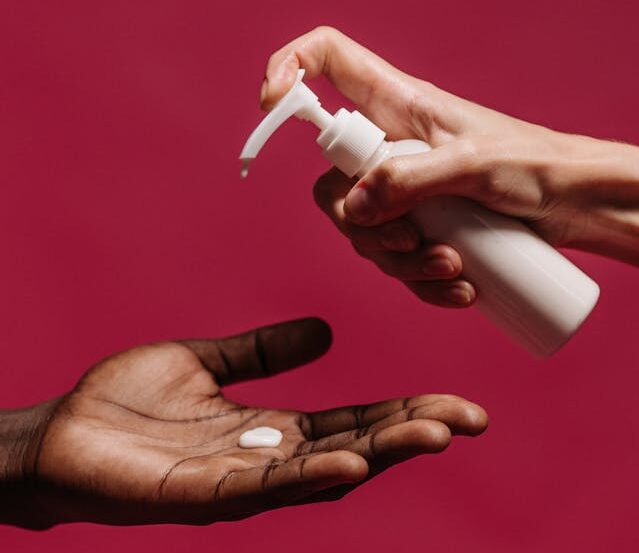
- Apply with a cotton ball or soft pad — do not rub. Dab the lotion gently onto the affected skin in a thin, even layer.
- Allow to dry completely — this takes 5–10 minutes. The lotion needs to dry to a light powder-like film to work effectively. Do not cover with clothing until fully dry.
- Reapply up to 3–4 times daily — before each reapplication, wash off the previous layer with lukewarm water and re-dry the skin.
- At night: Apply a coat before bed and sleep in loose, breathable clothing to allow the skin to breathe.
Is Calamine Lotion Safe?
Calamine lotion has an excellent safety profile and is generally safe for adults, children, and babies. It is not absorbed into the bloodstream in meaningful quantities and carries no systemic risk with normal topical use. It has no known drug interactions and does not require a prescription anywhere.
| Situation | Guidance |
|---|---|
| Babies and infants | Safe — widely recommended for chickenpox and heat rash in infants. Avoid the face and eye area. |
| Pregnant women | Generally considered safe for topical use. Consult your midwife or GP if unsure. |
| Broken or infected skin | Avoid applying to open wounds or skin with signs of infection (pus, increasing redness, warmth). See a GP. |
| Near eyes or mucous membranes | Keep away from eyes and mouth. If contact occurs, rinse thoroughly with water. |
| Allergic reactions | Rare but possible. If burning or increased redness occurs after application, wash off and discontinue use. |
| On the face (children) | Apply carefully, avoiding eyes and mouth. A cotton bud helps with precise spot application. |
What Calamine Lotion Cannot Do
Calamine lotion is a symptomatic treatment — it relieves discomfort but does not treat the underlying cause of most conditions. Specifically:
- It does not kill viruses — it cannot treat or shorten the course of chickenpox or shingles.
- It does not neutralise insect venom or plant allergens like urushiol — it reduces the inflammatory response but does not remove the trigger.
- It does not treat bacterial skin infections — if a rash is infected, prescription antibiotics are needed.
- It does not cure eczema or psoriasis — it can manage flare-up symptoms but is not a disease-modifying treatment.
- It should not be used on weeping wounds or deep abrasions — it is a surface treatment, not a wound care product.
Natural Alternatives to Calamine Lotion
If you do not have calamine lotion to hand, or prefer a natural alternative, several options offer comparable itch and inflammation relief:
- Aloe vera gel: The closest natural equivalent — cooling, anti-inflammatory, and soothing. Best kept in the fridge for a stronger cooling effect. Highly effective for heat rash, sunburn, and mild itch.
- Colloidal oatmeal paste or bath: Excellent for widespread itching — the avenanthramides in oats have proven anti-itch properties. Ideal for chickenpox, heat rash, and eczema flares affecting large body areas.
- Witch hazel: A natural astringent with anti-inflammatory properties, similar to calamine’s mechanism. Apply with a cotton pad to bites, heat rash, or mild acne spots.
- Cold milk compress: Particularly effective for sunburn and widespread skin irritation. The proteins and lactic acid calm inflammation and gently clean the skin surface.
- Baking soda paste: Mix with cool water and apply to specific itchy spots for temporary relief through its mild alkalising and antiseptic effect.
For a full breakdown of natural remedies for itchy rashes, see our Heat Rash Treatment guide, which covers seven home remedies in detail.

Common Misconceptions About Calamine Lotion
“Calamine lotion treats the underlying condition.” It treats symptoms — specifically itch, mild inflammation, and surface weeping. For viral conditions like chickenpox and shingles, calamine manages discomfort while the immune system does the real work. It is not antiviral, antibacterial in a clinical sense, or capable of altering the course of any disease.
“More is better — thick layers work faster.” Calamine lotion is most effective applied in thin, even layers that are allowed to dry fully. Thick applications do not dry properly and can reduce the cooling evaporative effect that makes calamine work. One thin, well-dried layer applied 3–4 times daily outperforms heavy applications left on all day.
“Calamine lotion is the same as zinc cream.” They share zinc oxide as an ingredient but differ significantly in formulation. Zinc cream (like nappy rash cream) is thick, occlusive, and designed to create a protective moisture barrier — the opposite of calamine’s drying approach. They are suited to completely different situations.
“Once the itching stops, you’re healed.” Itch relief from calamine lotion is faster than actual skin healing. Continue applying until the rash, blisters, or irritation has visibly resolved — not just until the itch diminishes. Stopping too early, particularly with chickenpox or poison ivy, risks renewed itch as the lotion effect wears off.
When to Seek Professional Help
While calamine lotion is safe and effective for most mild-to-moderate itchy skin conditions, see your GP or pharmacist promptly if:
- The rash is spreading rapidly, significantly worsening, or not improving after 5–7 days of calamine use
- You notice signs of skin infection — increasing redness, warmth, significant swelling, pus, or discharge
- The itch is severe enough to disrupt sleep consistently — an oral antihistamine may be needed alongside calamine
- A rash appears on the face, near the eyes, or on mucous membranes — particularly with chickenpox or shingles
- You suspect shingles — early antiviral treatment within 72 hours of rash onset significantly reduces duration and risk of postherpetic neuralgia
- A child with chickenpox develops a fever above 38.5°C (101.3°F), seems very unwell, or has a secondary rash that looks infected
- You develop an allergic reaction to calamine lotion itself — wash the area immediately and seek advice
For further guidance on skin conditions and when they require medical attention, the NHS rash guide provides a helpful overview of common presentations and red flags. For broader natural skin and wellness support, explore the Natural Remedies section at Blooming Vitality.
🌿 Calamine lotion: simple, effective, and time-tested.
Shake well, apply thinly to clean dry skin, and let it dry fully. For chickenpox, heat rash, insect bites, or poison ivy — it is one of the most reliable, gentle, and affordable itch remedies available. Keep a bottle in your medicine cabinet and you will be glad it is there when you need it.
Disclaimer: This article is for educational purposes only and does not constitute medical advice. Always consult a qualified healthcare professional if you are concerned about a skin condition, particularly in young children or if symptoms worsen or do not improve.