⚡ TL;DR
- Prebiotic foods are fibre-rich foods that feed the beneficial bacteria living in your gut.
- Unlike probiotics (live bacteria), prebiotics are the fuel that helps your existing good bacteria thrive.
- Top sources include garlic, onions, leeks, Jerusalem artichokes, oats, bananas, and asparagus.
- Eating more prebiotic foods is one of the most powerful things you can do for gut health, immunity, and mood.
Prebiotic foods are among the most underappreciated tools in health and nutrition. While probiotics get most of the attention, the reality is that your gut bacteria are only as healthy as the food you give them. Prebiotics are specialised plant fibres that pass undigested through your small intestine and ferment in your colon, selectively feeding beneficial bacteria like Lactobacillus and Bifidobacterium. The result? Better digestion, stronger immunity, improved mood, and reduced inflammation.
Prebiotics vs Probiotics: What’s the Difference?
Think of your gut as a garden. Probiotics are the seeds — the live bacteria you plant. Prebiotics are the fertiliser — the food that helps those bacteria grow, multiply, and outcompete harmful microbes. Both matter, but if your gut is low in prebiotic fibre, even the best probiotic supplement will have limited staying power.
Prebiotics are defined as substrates that are selectively utilised by host microorganisms and confer a health benefit. The most well-researched types are inulin, fructooligosaccharides (FOS), and galactooligosaccharides (GOS) — all found naturally in a wide variety of plants.
The Science Behind Prebiotic Foods
When your gut bacteria ferment prebiotic fibres, they produce short-chain fatty acids (SCFAs) — particularly butyrate, acetate, and propionate. Butyrate is the primary fuel for colonocytes (colon cells) and is essential for maintaining the gut lining’s integrity. Low butyrate production is directly linked to leaky gut, inflammatory bowel disease, and colorectal cancer risk.
Research from Cell Host & Microbe demonstrated that dietary fibre intake — including prebiotic foods — is the single strongest predictor of gut microbiome diversity. A diverse microbiome is associated with better immune function, lower inflammation, healthier weight, and even improved mental health through the gut-brain axis.
💡 Did You Know? A landmark 2021 Stanford study found that people who increased dietary fibre (from prebiotic foods) for 10 weeks showed significantly greater microbiome diversity compared to those who increased fermented foods — though both groups showed improvements.
15 Best Prebiotic Foods to Add to Your Diet
Here are the most potent and accessible prebiotic foods, along with how to incorporate them easily into your daily meals:

1. Garlic
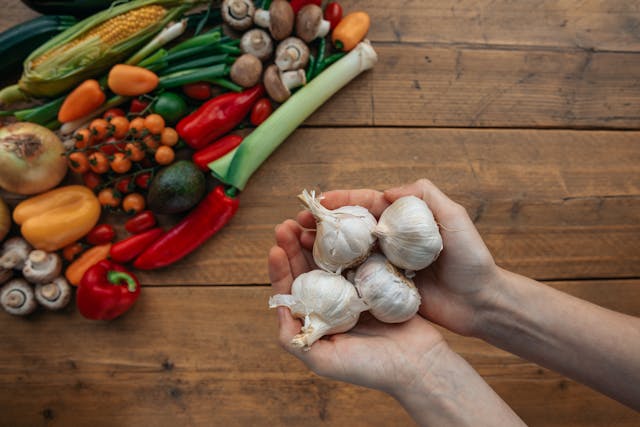
One of the richest sources of inulin and FOS. Raw garlic is more potent than cooked, so add it to dressings and dips where possible. One clove provides meaningful prebiotic benefit.
2. Onions and Leeks
Both are excellent inulin sources. Red onions also contain quercetin, an antioxidant that works synergistically with their prebiotic properties. Eat them raw in salads or lightly cooked to preserve fibre content.
3. Jerusalem Artichokes (Sunchokes)
The single most concentrated prebiotic food available — about 14–19g of inulin per 100g. Introduce them slowly as their potent fermentation can cause gas and bloating if you’re not yet adapted to high-fibre eating.
4. Asparagus
A gentle and accessible prebiotic. Asparagus contains inulin plus folate, making it particularly beneficial for women’s health. Roast or steam lightly to preserve its fibre.
5. Oats
Beta-glucan, the soluble fibre in oats, is a powerful prebiotic that feeds Bifidobacterium and has documented benefits for blood sugar regulation and cholesterol levels. Choose rolled or steel-cut oats over instant.
6. Under-Ripe Bananas
Green or slightly yellow bananas are rich in resistant starch — a type of prebiotic fibre that feeds beneficial bacteria and supports insulin sensitivity. As bananas ripen, the starch converts to sugar. Eat them slightly firm for maximum prebiotic benefit.
7. Chicory Root
The most concentrated commercial source of inulin — used as a coffee substitute and found in many prebiotic supplements and high-fibre foods. Chicory root is one of the most studied prebiotics in clinical trials.
8. Dandelion Greens
Often dismissed as weeds, dandelion leaves are among the best leafy prebiotic foods available. Add them raw to salads or lightly sauté. They also support liver detoxification and bile production.
9. Legumes
Lentils, chickpeas, black beans, and kidney beans are all excellent prebiotic sources. They provide both inulin-type fructans and resistant starch. Aim for at least 3–4 servings per week.
10. Flaxseeds
Ground flaxseeds provide mucilaginous fibre that acts as a prebiotic, feeds Lactobacillus, and supports regular bowel movements. Add a tablespoon to smoothies, yogurt, or oatmeal daily.
11. Apples
Pectin — the soluble fibre in apple skin — is a well-researched prebiotic that increases butyrate production and supports a diverse microbiome. Eat the skin on, and opt for whole apples over juice.
12. Seaweed and Algae
An often-overlooked prebiotic source. Seaweed contains unique polysaccharides (fucoidan, laminarin) that selectively feed beneficial gut bacteria. Include nori, wakame, or spirulina regularly.
13. Barley
Like oats, barley is rich in beta-glucan. It also has a lower glycaemic index than most grains, making it an excellent choice for blood sugar management alongside its prebiotic benefits.
14. Cocoa and Dark Chocolate
Cacao polyphenols feed Bifidobacterium and Lactobacillus and reduce the growth of harmful bacteria. Choose dark chocolate with 70%+ cocoa solids for meaningful benefit — a 30g serving is all you need.
15. Cooked and Cooled Potatoes or Rice
When starchy foods are cooked and then cooled, some of the digestible starch converts to resistant starch — a potent prebiotic. Potato salad, sushi rice, and overnight oats all benefit from this phenomenon.
How Much Prebiotic Fibre Do You Need?
Most health guidelines recommend 25–38g of total dietary fibre per day, but studies suggest that 5–10g specifically from prebiotic sources is enough to drive meaningful microbiome benefits. Most people in Western countries eat less than 15g of total fibre daily — far below optimal. Adding two to three servings of prebiotic foods per day is a practical starting goal.
A Real-Life Example
Maria, a 41-year-old nutritionist, had struggled with bloating and irregular digestion for years despite taking daily probiotics. When she shifted focus to prebiotic foods — adding garlic to every meal, eating a daily apple with skin, and swapping white rice for lentils three times a week — her digestion transformed within 3 weeks. Her probiotics, which she continued taking, became far more effective once they had adequate fuel to thrive.

Common Prebiotic Misconceptions
“Prebiotic supplements are better than food”
Supplements can help, but whole prebiotic foods come packaged with polyphenols, vitamins, and additional fibres that work synergistically. Food is always the foundation; supplements fill genuine gaps.
“More fibre is always better”
Increasing prebiotic fibre too quickly — especially foods like Jerusalem artichoke or chicory — can cause significant gas, bloating, and cramping. Increase your intake gradually over 2–3 weeks to give your microbiome time to adapt.
“All fibre is prebiotic”
Not all dietary fibre qualifies as prebiotic. True prebiotics must be selectively fermented by beneficial bacteria. Cellulose (found in many plant cell walls) provides bulk but doesn’t significantly feed beneficial microbes the way inulin or resistant starch does.
When to Seek Professional Help
If you have IBS, SIBO (small intestinal bacterial overgrowth), or inflammatory bowel disease, high-FODMAP prebiotic foods (like garlic, onions, and legumes) may worsen symptoms. Work with a gastroenterologist or registered dietitian to identify the right prebiotic foods for your individual microbiome. Explore our broader nutrition resources for more gut health guidance.
🌿 Start Small, Go Big
You don’t need an overhaul — just start adding one or two prebiotic foods to your existing meals each day. A clove of garlic here, a green banana there, a handful of lentils in your soup. Within weeks, your gut bacteria will reward you with better digestion, steadier energy, and a calmer, clearer mind.