💚 TL;DR
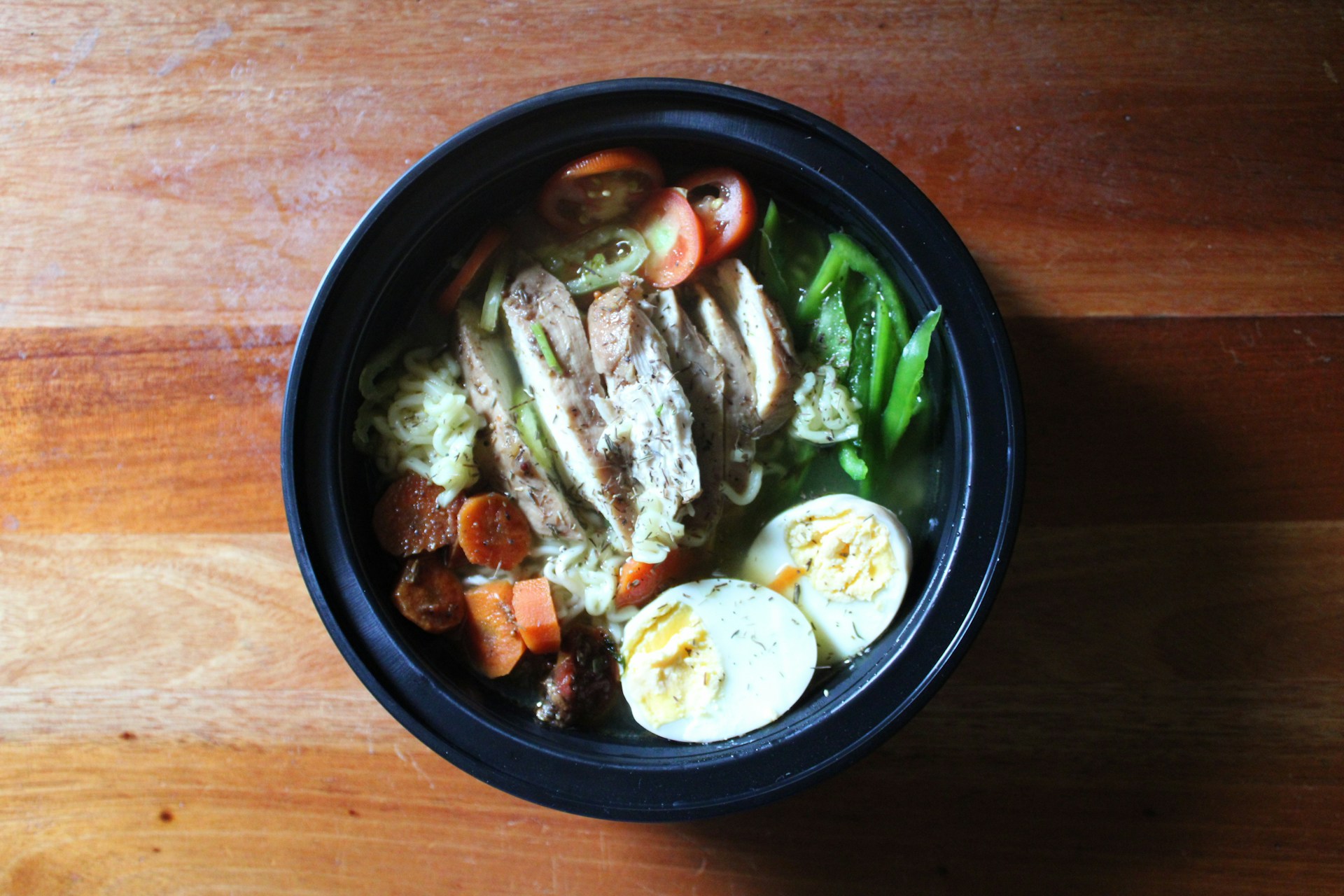
- The best low calorie high protein foods help you stay full for longer, preserve muscle mass, and support fat loss — all without requiring calorie obsession or restrictive dieting.
- Chicken breast, cottage cheese, egg whites, Greek yoghurt, and tuna are the highest protein-to-calorie-ratio animal foods available — each providing 20–35g protein per 150–200 calorie serving.
- Plant-based options including edamame, lentils, tofu, and tempeh provide excellent protein with added fibre and micronutrients — making them the most nutritionally complete low calorie high protein foods overall.
- The body can only utilise approximately 30g protein per meal for muscle protein synthesis — so spreading intake across 3–4 meals is more effective than one large protein hit.
Low calorie high protein foods are the most important category in any fat loss or body composition nutrition plan. Protein is the most satiating macronutrient — it reduces hunger, preserves muscle during a calorie deficit, and has the highest thermic effect of all three macros, meaning your body burns more calories simply digesting it.
But not all protein sources are created equal. Some deliver 30g of protein per 150 calories. Others deliver the same protein at twice the cost in calories — not because of the protein itself, but because of the fat or carbohydrate content that comes with it.
This guide ranks the best low calorie high protein foods by protein density, covering both animal and plant-based sources, with practical serving suggestions and nutritional context for each.
⚕️ Medical Disclaimer: This article is for informational purposes only. If you have kidney disease, a history of disordered eating, or specific medical dietary requirements, please consult a registered dietitian before significantly increasing your protein intake.
Last updated: May 2026
Why Protein Density Matters for Low Calorie High Protein Foods
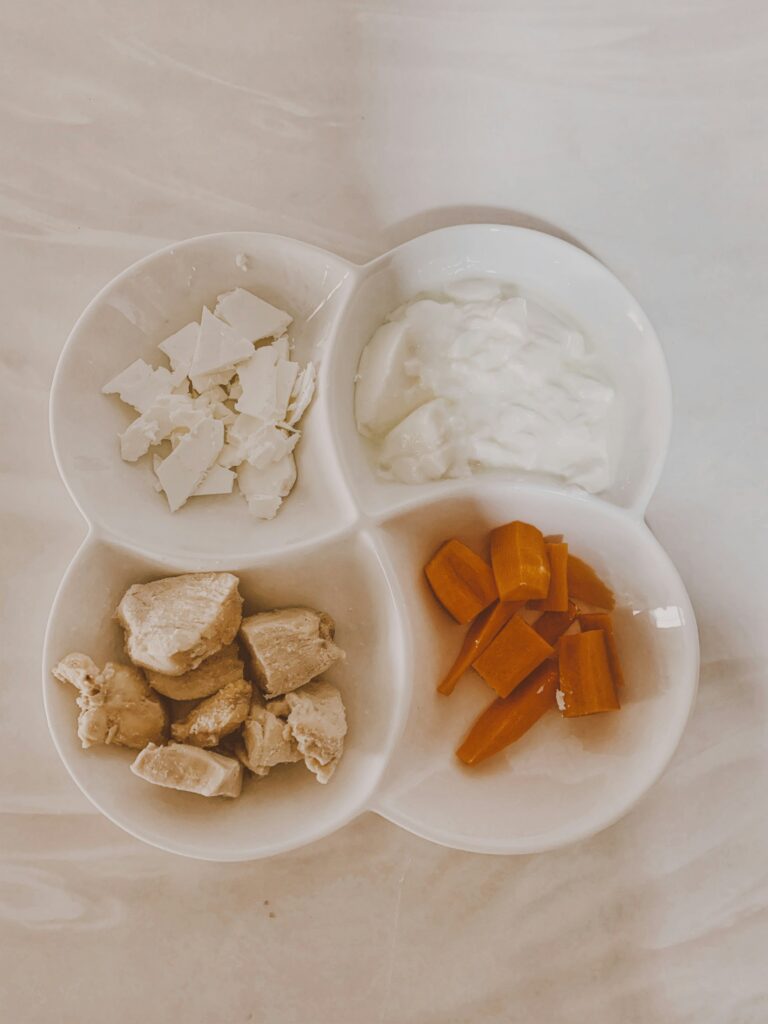
Protein density — the ratio of protein grams to total calories — is the key metric when selecting low calorie high protein foods. A food with 30g protein per 150 calories is dramatically more useful for body composition than one with 30g protein per 400 calories.
The science behind this is well-established. Protein has a thermic effect of 25–30% — meaning your body burns roughly one calorie in four simply through digestion. It also suppresses ghrelin (the hunger hormone) more effectively than carbohydrate or fat. Research consistently shows that high-protein diets reduce total daily calorie intake without deliberate restriction, simply by keeping hunger at bay.
According to NHS nutrition guidance, protein foods form an essential part of a balanced diet and are particularly important for maintaining muscle mass during weight loss. A registered dietitian from Cleveland Clinic recommends starting with 1g of protein per kilogram of body weight daily — and increasing toward 1.6–2.2g/kg if you are actively training.
💡 Did You Know? Many people dramatically underestimate how much protein they are eating. Tracking just 3 days of food intake typically reveals a gap of 30–50g per day between actual intake and optimal intake for body composition. The easiest way to close this gap is not through protein shakes — it is by systematically replacing lower-protein foods with low calorie high protein foods at each meal. According to NCBI nutritional research, approximately 25g of high-quality protein per meal is needed to maximise the rate of muscle protein synthesis in active adults — and most people reach this easily with the foods in this guide.
Low Calorie High Protein Foods: Animal Sources
1. Chicken Breast — 31g protein / ~165 calories per 100g
Chicken breast is the gold standard of low calorie high protein foods. A 100g serving (roughly the size of a deck of cards) delivers 31g of complete protein with all nine essential amino acids, at just 165 calories. Removing the skin drops saturated fat further.
It is versatile, widely available, affordable, and freezes well. The single biggest reason people don’t use chicken breast as their default protein is flavour — which is entirely a cooking issue, not a food issue. Marinating in lemon, garlic, herbs, and olive oil before baking transforms the texture and taste.
2. Cottage Cheese — 14g protein / ~90 calories per 100g
Cottage cheese is one of the most underrated low calorie high protein foods available. A 2025 review in Critical Reviews in Food Science and Nutrition highlighted cottage cheese as a particularly underexplored protein source with significant health benefits beyond protein content alone.
A 200g serving provides 28g protein at around 180 calories. It is also high in casein protein — a slow-digesting form that is particularly effective for satiety and overnight muscle preservation. Eat it plain, as a dip, stirred into pasta, or blended into smoothies.
3. Greek Yoghurt (0% fat) — 11g protein / ~57 calories per 100g
Plain, fat-free Greek yoghurt is a cornerstone of low calorie high protein foods lists for good reason. A 200g serving delivers approximately 22g protein at around 115 calories, plus calcium, B12, iodine, and live probiotic cultures.
It is one of the most versatile foods in this category — working as breakfast, a snack, a sauce base, a marinade, or a substitute for sour cream, cream, or mayonnaise. Our detailed guide on Greek yogurt benefits covers its full nutritional profile and health evidence in depth.
4. Tuna (tinned in water) — 25g protein / ~110 calories per 100g
Tinned tuna is one of the most cost-effective low calorie high protein foods available. A standard 145g tin provides approximately 36g protein at just 160 calories, with virtually no fat when packed in water. It is also a meaningful source of omega-3 fatty acids.
Choose tuna in water rather than oil to keep calories low. Limit consumption to 2–3 tins per week due to mercury content, particularly if pregnant or planning pregnancy.
5. Egg Whites — 11g protein / ~52 calories per 100g
Egg whites are almost pure protein with virtually no fat or carbohydrate, making them one of the most protein-dense low calorie high protein foods by ratio. Three egg whites provide approximately 11g protein at just 50 calories.
They work well in omelettes, scrambled with one whole egg for better flavour, or in protein pancakes and baked goods. Note that the yolk contains significant nutrients — B12, choline, and fat-soluble vitamins — so egg whites alone are not a nutritional replacement for whole eggs.
6. Turkey Breast — 30g protein / ~150 calories per 100g
Turkey breast is virtually identical to chicken breast in protein density, making it an excellent alternative in the low calorie high protein foods category. It is slightly lower in calories than chicken and provides similar amino acid completeness.
Lean ground turkey (93% lean) is particularly versatile — use it in bolognese, meatballs, burgers, or tacos as a lower-calorie, higher-protein substitute for beef mince.
7. Tinned Sardines — 25g protein / ~200 calories per 100g
Sardines deserve a place on every low calorie high protein foods list. Per 100g they provide 25g protein, meaningful omega-3 fatty acids, calcium (from the soft bones), and vitamin D. They are also among the most sustainable and affordable fish available.
Sardines in olive oil are slightly higher in calories than water-packed; both are excellent. Eat on wholegrain toast, in salads, or mashed with lemon and herbs as a simple, fast protein source.
Low Calorie High Protein Foods: Plant Sources
8. Edamame — 11g protein / ~120 calories per 100g
Edamame is one of the rare complete plant proteins — containing all nine essential amino acids. Half a cup of shelled edamame provides 9g protein at around 95 calories, making it one of the most impressive low calorie high protein foods in the plant-based category.
Buy frozen, pre-shelled, and unsalted. Microwave from frozen, add a pinch of sea salt or drizzle of sesame oil, and eat as a snack or add to stir-fries, salads, or grain bowls.
9. Lentils — 9g protein / ~116 calories per 100g cooked
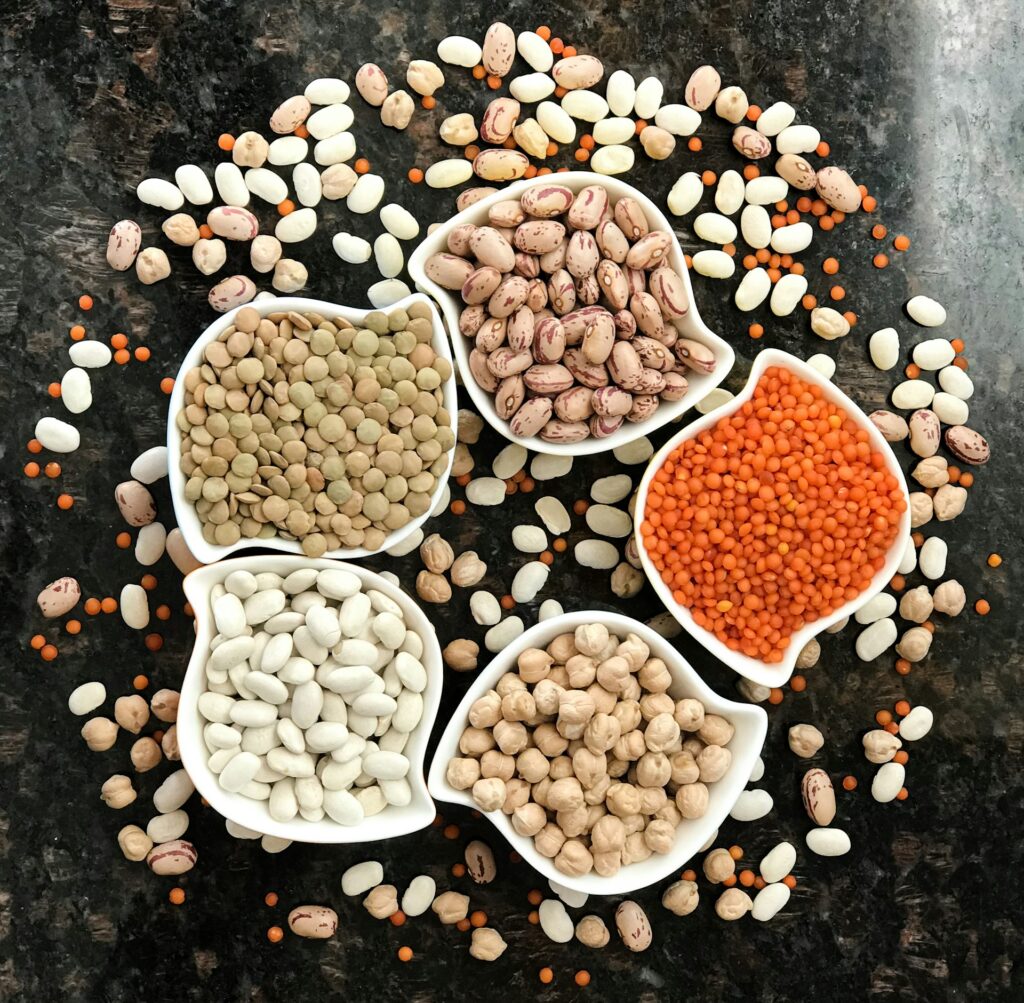
Lentils are the most protein-dense legume and among the most nutritionally complete low calorie high protein foods in any diet. A cup of cooked lentils delivers 18g protein and 16g fibre at around 230 calories — fibre that adds significantly to satiety and gut health benefits.
Lentils are also extremely high in folate, iron, potassium, and zinc. They cook quickly from dried (no soaking required), or tinned versions are ready to eat. Use in soups, stews, curries, or as a base for salads.
10. Tofu (firm) — 8g protein / ~80 calories per 100g
Firm tofu is a complete protein and one of the most versatile low calorie high protein foods in plant-based cooking. A 150g serving provides 12g protein at about 120 calories. Tofu takes on the flavour of whatever it is cooked with, making it an excellent chameleon protein.
Press the tofu before cooking to remove excess water, then marinate and fry, bake, or air-fry until crispy. Silken tofu blends smoothly into smoothies, soups, and sauces as a hidden protein boost.
11. Tempeh — 19g protein / ~193 calories per 100g
Tempeh provides more protein per gram than almost any other plant food on this list, making it one of the highest-density low calorie high protein foods for those eating plant-based. Unlike tofu, tempeh has a firm, nutty texture and a natural umami flavour.
It is fermented soy, which also means it contains probiotics alongside its protein content. Use in stir-fries, sliced into grain bowls, or crumbled as a mince substitute.
12. Chickpeas — 9g protein / ~164 calories per 100g cooked
Chickpeas are one of the most practical low calorie high protein foods for everyday use — tinned, affordable, and extremely versatile. A cup provides 15g protein and 12g fibre at around 270 calories.
Roast them in olive oil and spices for a crunchy high-protein snack. Blend into hummus. Add to curries, soups, and salads. The fibre content means chickpeas contribute to satiety far beyond what the protein figure alone suggests.
How Much Protein Do You Actually Need?
Understanding protein requirements puts the low calorie high protein foods list in context. The minimum requirement for sedentary adults is 0.8g per kilogram of body weight — but this is a floor, not a target.
For fat loss with muscle preservation, research supports 1.2–1.6g/kg. For active individuals and those building muscle, the International Society of Sports Nutrition recommends 1.4–2.0g/kg. Registered dietitians typically advise starting at 1g per kg and adjusting based on response and goals.
Critically, the body can only use approximately 30g of protein per meal for muscle protein synthesis. This means spreading intake across 3–4 meals delivers better results than consuming all your protein in one large meal — a practical argument for making low calorie high protein foods a feature of every sitting, not just dinner.
Low Calorie High Protein Meal Ideas
Breakfast: 200g plain 0% Greek yoghurt + 1 scoop whey or pea protein stirred in + berries + walnuts. Approximately 40g protein at under 400 calories.
Lunch: Large salad with 150g tinned tuna, 100g edamame, mixed leaves, cucumber, cherry tomatoes, drizzle of olive oil and lemon. Approximately 45g protein at under 400 calories.
Snack: 150g cottage cheese + sliced cucumber + cracked black pepper. Approximately 21g protein at 130 calories.
Dinner: 150g grilled chicken breast + 200g lentil stew + roasted vegetables. Approximately 55g protein at 450–500 calories.
Frequently Asked Questions
What are the best low calorie high protein foods for weight loss?
The best low calorie high protein foods for weight loss are those that maximise protein per calorie while also providing satiety through volume or fibre. The top picks are: chicken breast (31g protein/100g at 165 cal), cottage cheese (14g protein/100g at 90 cal), 0% Greek yoghurt (11g protein/100g at 57 cal), tinned tuna (25g protein/100g at 110 cal), lentils (9g protein/100g at 116 cal cooked), and edamame (11g protein/100g at 120 cal). These form the backbone of any effective high-protein fat loss diet.
Can I get enough protein on a plant-based diet from low calorie sources?
Yes — plant-based low calorie high protein foods can meet protein needs at all activity levels, though they require slightly more planning. Edamame, tempeh, tofu, lentils, chickpeas, and black beans are the highest-density plant protein sources. The key for plant-based eaters is combining different protein sources throughout the day to ensure all nine essential amino acids are covered — soy-based foods (tofu, tempeh, edamame) are the easiest complete proteins for plant-based athletes.
How do I add more low calorie high protein foods to my diet without overcomplicating it?
The most practical approach to adding more low calorie high protein foods is substitution rather than addition. Swap regular yoghurt for Greek yoghurt. Swap cheese-heavy lunches for tuna or chicken salads. Swap crisps and crackers as snacks for cottage cheese or edamame. Swap beef mince for turkey mince. These simple substitutions can add 30–50g daily protein without changing the overall structure of how you eat. According to Healthline’s nutrition guidance, increasing protein at breakfast is the single highest-leverage meal for appetite control throughout the day.
Are low calorie high protein foods the same as low fat foods?
Not exactly — many low calorie high protein foods are also low fat, but the relationship is not guaranteed. Tinned sardines in olive oil, for example, are high protein and moderate calorie but not low fat. Whole eggs are high protein but also contain meaningful fat. The distinction matters because dietary fat is not inherently bad — healthy fats from oily fish, eggs, and nuts have important nutritional functions. The goal with low calorie high protein foods is maximising protein per calorie, not eliminating fat entirely.
🌿 Eat More Protein, Feel More Satisfied
Low calorie high protein foods are the most practical tool in sustainable fat loss and body composition nutrition. They keep you full, protect your muscle, and require no calorie counting when they become your default choices at each meal. Start with the foods you already enjoy from this list. Build from there. 💚
✍️ About the Author
This article was written by the editorial team at Blooming Vitality, a health and wellness platform dedicated to evidence-based, practical nutrition guidance. Our content is reviewed for accuracy against current peer-reviewed research and dietitian-approved guidelines.