⚕️ Medical Disclaimer: This article is for informational purposes only and does not constitute medical advice. Always consult a qualified healthcare professional before making changes to your health routine.
Last updated: May 2026
⚡ TL;DR
- A nail health chart maps changes in nail colour, shape, and texture to possible underlying causes, from harmless ageing to nutrient gaps.
- Pale, spoon-shaped or ridged nails can hint at iron, protein, or B-vitamin shortfalls — but they are clues, not diagnoses.
- Some signs (a new dark streak, blue nails, sudden clubbing) warrant prompt medical attention.
- Use the nail health chart below to spot patterns early, then support your nails with diet, hydration, and gentle care.
A nail health chart is one of the simplest at-home tools for noticing what your body might be trying to tell you. Your fingernails are not just a canvas for polish — they are a slow-growing record of your nutrition, circulation, and overall well-being. When something shifts inside the body, the nails often show subtle hints long before other symptoms appear.
If you have ever glanced down at a white spot, a ridge, or a strangely pale nail bed and wondered what it means, you are not alone. The trouble is that most online answers jump straight to scary conclusions. This guide takes a calmer, evidence-based approach.
Below you will find a complete, easy-to-read nail health chart, the science behind why nails reveal so much, and practical ways to strengthen them naturally. We will also be clear about which signs are harmless and which deserve a professional opinion.
📋 Table of Contents
What Is a Nail Health Chart?
A nail health chart is a quick-reference guide that connects specific nail features — colour, shape, ridges, spots, and texture — to the things that may cause them. Think of it as a translation key between what you see on the surface and what could be happening underneath.
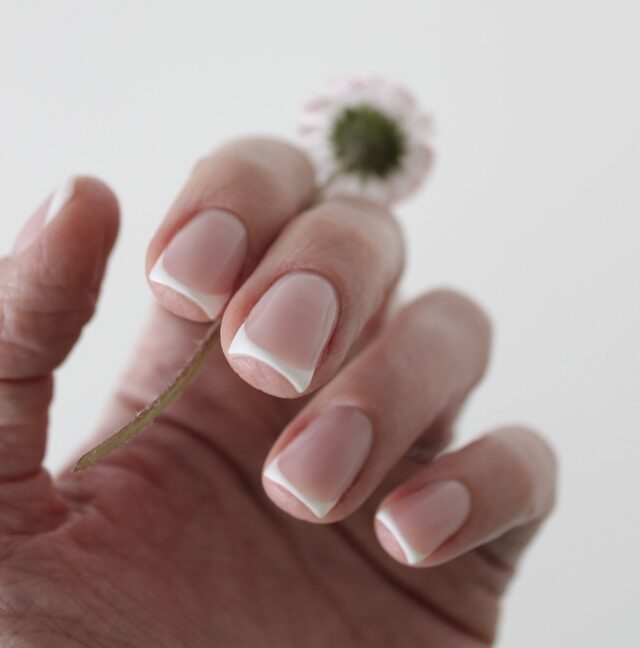
Healthy nails share a recognisable baseline. They are usually smooth, an even pink shade, firm but flexible, and free of deep pits, grooves or discolouration. Knowing this baseline makes it far easier to notice when something changes.
It is worth being clear about what a chart can and cannot do. A nail health chart is a screening aid that helps you ask better questions — it is not a diagnostic tool, and the same sign can have very different causes.
The Science Behind What Your Nails Reveal
Nails are made of layers of a tough protein called keratin, produced in the nail matrix tucked beneath the cuticle. As new cells form, older ones harden and are pushed outward toward the fingertip. Because this growth is slow and continuous, the nail effectively keeps a diary of recent health events.
That slow pace is why patience matters. Fingernails grow only about 3.5 mm a month and take roughly six months to fully replace themselves, while toenails can take twelve to eighteen months. A change you notice today may reflect something that happened weeks ago.
The matrix is also rich in tiny blood vessels, which is why circulation and oxygen levels can alter nail colour. According to a clinical review published via the National Center for Biotechnology Information, spoon-shaped nails appear in roughly 5.4% of people with iron-deficiency anaemia, the most common nutritional deficiency worldwide. This link between nutrients and nail shape is the backbone of any useful nail health chart.
💡 Did You Know? Nearly one in three infants have temporary spoon-shaped nails that flatten naturally as they grow, according to the Cleveland Clinic — a reminder that the same nail sign can be perfectly harmless in one person and meaningful in another.
The Complete Nail Health Chart
Here is the heart of this guide: a complete nail health chart you can scan in seconds. Find the sign that matches your nails, note the possible causes, then read the safe next step. Remember that one feature on its own rarely tells the whole story.
| Nail Sign | What It May Mean | Suggested Next Step |
|---|---|---|
| Pale or white nail beds | Anaemia, poor circulation, or low protein | Check iron and protein intake; ask your doctor for a blood test if persistent |
| Spoon-shaped (concave) nails | Iron-deficiency anaemia; sometimes thyroid or liver issues | Request an iron panel; review dietary iron sources |
| Vertical ridges | Usually normal ageing; occasionally nutrient gaps | Reassurance for most; moisturise and review diet |
| Horizontal lines (Beau’s lines) | Past illness, high fever, injury, or major stress | Often resolves as the nail grows out; monitor |
| Pitting (small dents) | Psoriasis, eczema, or alopecia areata | See a dermatologist for skin assessment |
| Brittle, splitting nails | Moisture damage, thyroid imbalance, or B-vitamin shortfall | Reduce water/chemical exposure; consider biotin after medical advice |
| Yellow nails | Fungal infection; occasionally, lung or sinus conditions | See a clinician for diagnosis and treatment |
| Blue or purplish nails | Low blood oxygen (heart or lung concern) | Seek prompt medical evaluation |
| Dark streak down the nail | Often bruising; rarely melanoma | Get any new or changing streak checked promptly |
| Clubbing (curved, widened tips) | Long-term low oxygen; heart, lung or gut conditions | Arrange a medical review |
| White spots | Minor trauma to the nail (very common, usually harmless) | No action needed; grows out |
How to Read Your Nail Health Chart Safely
Reading a nail health chart well is mostly about context. A single white spot after you knocked your hand on a door is meaningless, whereas several nails changing at once is more worth noting. Look for patterns across multiple nails rather than fixating on one.
Timing matters too. Ask yourself whether the change is new, spreading or stable, because the direction of travel often says more than the sign itself. Photographing your nails every few weeks can make subtle shifts much easier to track.
Vertical ridges are the most common source of needless worry. For most adults, they are simply part of ageing — our deep dive into vertical ridges on nails and vitamin deficiency explains when they are harmless and when they are worth a second look.
Nail Changes You Should Never Ignore
Most nail changes are benign, but a few deserve faster attention. Dermatologists at Mayo Clinic highlight several signs that should prompt a check-up rather than a wait-and-see approach.
The clearest red flag is a new dark streak running the length of a nail with no obvious injury, which should always be evaluated to rule out melanoma. Bluish nails can signal low blood oxygen, and sudden clubbing of the fingertips may point to heart or lung conditions.
None of these mean you should panic. They simply mean the right next step is a professional, not a search engine — and certainly not self-treatment based on a nail health chart alone.
How to Support Healthy Nails Naturally
Once serious causes are ruled out, everyday habits do most of the heavy lifting. Because nails are built from protein and rely on steady nutrient delivery, what you eat shows up at your fingertips over the following months.
Feed your nails from the inside
Prioritise protein, iron, zinc, biotin and omega-3 fats. Eggs, legumes, leafy greens, lean fish and nuts are reliable everyday sources. If your nail health chart points toward a possible mineral gap, our guide to zinc deficiency symptoms is a useful companion read.
Protect the nail surface
Keep nails clean and dry, and wear gloves for washing up or cleaning with harsh products. Repeated water and chemical exposure is a leading cause of brittle, splitting nails.
Moisturise and be gentle
Rub hand cream or cuticle oil into the nails daily to maintain flexibility. File in one direction, avoid using nails as tools, and give them regular breaks between gel or acrylic sets.
When to See a Doctor
Book an appointment if a nail change is persistent, spreading, painful or accompanied by other symptoms such as fatigue or breathlessness. A new dark streak, marked colour change or sudden clubbing always warrants prompt review.
A doctor may order simple blood tests to check iron, thyroid or other markers. The reassuring news is that when nail changes stem from a nutrient gap, they often improve steadily once the underlying cause is addressed.
Common Nail Health Chart Myths
Plenty of nail folklore gets passed around online, and a good nail health chart should help you separate fact from fear. A few myths come up again and again, so it is worth setting the record straight before you start interpreting your own nails.
The first myth is that every ridge or mark signals a serious disease. In reality, vertical ridges and the occasional white spot are among the most common and most harmless findings on any nail health chart. Context, not panic, is the right response.
A second myth is that nail problems can be fixed overnight with a single supplement. Because nails grow so slowly, genuine improvement takes months of consistent nutrition and care, not a quick fix. Biotin may help some people with brittle nails, but it is not a cure-all and is best discussed with a clinician first.
The final myth is that a chart can replace a doctor. A nail health chart is a starting point for awareness — it points you toward questions, while a professional provides the answers.
Frequently Asked Questions
How accurate is a nail health chart?
A nail health chart is a helpful screening guide, not a diagnostic test. It can flag patterns worth investigating, but the same sign can have several causes, so any persistent change should be confirmed by a healthcare professional.
What deficiency shows up most clearly on a nail health chart?
Iron deficiency is the classic example, often producing pale or spoon-shaped nails. Protein, zinc, biotin and B-vitamin shortfalls can also weaken nails, which is why diet is usually the first thing to review.
Are white spots on nails a sign of calcium deficiency?
This is a common myth. White spots almost always come from minor knocks to the nail rather than low calcium, and they grow out harmlessly. The American Academy of Dermatology and clinics such as Cleveland Clinic note that trauma is the usual culprit.
How long before healthier habits change my nails?
Be patient. Because fingernails take around six months to fully regrow, it can take several months to see new, healthier nail growing in from the base after you improve your diet or care routine.
🌿 Your nails are talking — start listening today. Bookmark this nail health chart, snap a photo of your nails this week, and pair small dietary tweaks with gentle daily care. Small, consistent habits are what build strong, healthy nails over time.