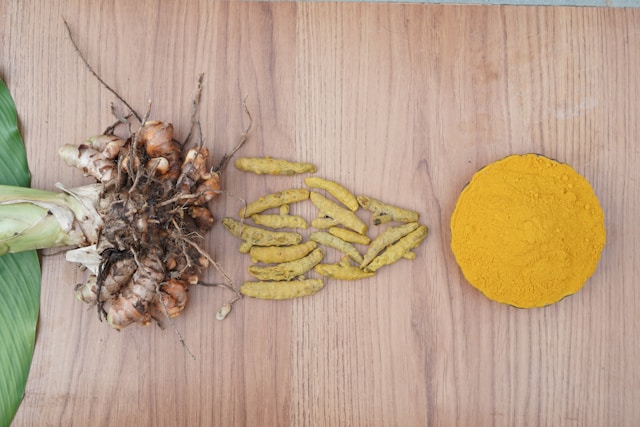
⚡ TL;DR — Turmeric and Black Pepper
- Turmeric and black pepper work synergistically: piperine in black pepper increases curcumin bioavailability by up to 2,000% — making the combination dramatically more effective than turmeric alone.
- The mechanism: piperine inhibits CYP3A4 enzymes, blocks P-glycoprotein pumps, and reduces glucuronidation — keeping curcumin in the bloodstream far longer.
- A 2025 Pharmaceutics meta-analysis found turmeric + piperine improved all four lipid parameters (cholesterol, LDL, HDL, triglycerides) with negligible heterogeneity.
- Practical dose: 500mg–1g curcumin with at least 5mg piperine (approximately ⅛ teaspoon black pepper) per meal or supplement dose.
Turmeric and black pepper is one of the most compelling nutrient synergy stories in nutritional science. Turmeric contains curcumin — a powerful anti-inflammatory and antioxidant polyphenol with an impressive research profile. The problem is that curcumin is notoriously difficult for the body to absorb: taken alone, most of it is metabolised and excreted before it can exert its effects. Black pepper’s active compound, piperine, solves this problem in a dramatic and well-documented way. This guide explains the mechanism of this synergy, the evidence for their combined benefits, and the most practical ways to use them together.
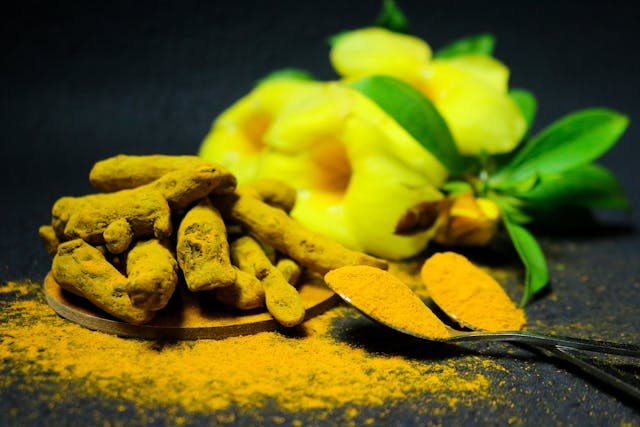
Why Turmeric Alone Isn’t Enough
The core challenge with turmeric and black pepper as a health intervention starts with the problem of bioavailability. Curcumin — the active anti-inflammatory compound in turmeric — makes up only 2–5% of turmeric by weight. More critically, even when you consume curcumin, only a tiny fraction reaches your bloodstream. Curcumin is rapidly metabolised in the intestines and liver, undergoes a process called glucuronidation that converts it to inactive forms, and is actively pumped out of cells by P-glycoprotein transporters. The result is that without an absorption enhancer, much of the curcumin you consume is excreted before it can exert therapeutic effects. As Johns Hopkins Medicine explains, curcumin and other active ingredients in turmeric are not easily absorbed by the body, and the digestive process breaks these beneficial compounds down and eliminates them quickly.
How Black Pepper Boosts Curcumin Absorption by 2,000%
The piperine in black pepper — the alkaloid that gives pepper its characteristic heat — addresses the curcumin bioavailability problem through multiple simultaneous mechanisms. Piperine inhibits CYP3A4 — the primary enzyme in the small intestine that metabolises curcumin before it can be absorbed. It reduces glucuronidation — the liver process that converts curcumin to inactive conjugated forms for excretion. It blocks P-glycoprotein pumps — the cellular transporters that actively expel absorbed curcumin back into the gut. And it increases intestinal membrane permeability — physically making it easier for curcumin to cross the gut wall into the bloodstream. The combined result of these four mechanisms is dramatic: research cited by Johns Hopkins Medicine and confirmed in a Healthline review shows that just 20mg of piperine combined with 2 grams of curcumin increases bioavailability by 2,000%, with this effect appearing within 45 minutes of consumption.
💡 Did You Know? Traditional Indian cooking has combined turmeric and black pepper in the same dishes for thousands of years — long before anyone understood the biochemical reason why. Dishes like dal, curry masalas, and golden milk (haldi doodh) traditionally include both spices together. This is a perfect example of culinary wisdom anticipating what nutritional science would eventually confirm.
Evidence-Backed Benefits of Turmeric and Black Pepper
Anti-Inflammatory Action
The primary validated benefit of turmeric and black pepper together is their anti-inflammatory effect. Curcumin inhibits NF-κB — a key transcription factor that activates hundreds of inflammatory genes. It also reduces production of pro-inflammatory cytokines including TNF-α and IL-6. A comprehensive analysis cited by Healthline found that curcumin supplementation reduces key inflammatory markers including C-reactive protein, TNF-α, and IL-6. Piperine contributes its own anti-inflammatory properties by desensitising TRPV1 pain receptors, providing complementary pain and inflammation reduction.
Cardiovascular and Lipid Benefits
A 2025 systematic review and meta-analysis published in Pharmaceutics — examining RCTs from 2014 to 2025 — found that turmeric with piperine significantly improved all four lipid parameters: total cholesterol, LDL cholesterol, HDL cholesterol, and triglycerides, with negligible heterogeneity between studies (I² = 0%). This is one of the strongest recent pieces of evidence for turmeric and black pepper as a cardiovascular support supplement. The combination also improved insulin sensitivity in several of the included trials.
Antioxidant Protection
Curcumin is one of the most potent natural antioxidants — both directly scavenging free radicals and upregulating the body’s own antioxidant enzyme systems (SOD, catalase, glutathione peroxidase). Piperine also has antioxidant properties and has been shown to increase serum levels of superoxide dismutase while reducing malonaldehyde (a marker of oxidative damage). Together, turmeric and black pepper deliver a dual-source antioxidant effect with meaningfully better delivery than either spice alone.
Joint and Pain Support
Multiple clinical trials have examined turmeric and black pepper for arthritis and joint pain. In one trial, participants receiving 500mg curcumin showed significant reductions in pain and inflammation scores compared to placebo. A separate study comparing curcumin to NSAIDs found comparable efficacy for certain pain outcomes in participants with osteoarthritis. Piperine’s TRPV1 desensitisation mechanism adds a complementary pain-reducing pathway, making the combination particularly relevant for inflammatory joint conditions.

How to Use Turmeric and Black Pepper Together
The most practical ways to combine turmeric and black pepper: Golden milk (1 teaspoon turmeric + ¼ teaspoon black pepper + warm milk and honey — traditional and effective); add both to curries, soups, rice dishes, and roasted vegetables (standard Indian cooking practice); turmeric-black pepper smoothie (½ teaspoon each with ginger, banana, and coconut milk); or a dedicated curcumin-piperine supplement (look for products standardised to 95% curcuminoids with at least 5mg piperine per serving). The research-backed dose: 500mg–1g curcumin with at least 5–20mg piperine per dose. Fat is also important: curcumin is fat-soluble, so consuming turmeric and black pepper with a fat-containing meal or adding healthy fat (olive oil, coconut oil) to your golden milk significantly improves absorption further.
Common Misconceptions About Turmeric and Black Pepper
“Just eating turmeric in food gives you the benefits.” The typical culinary amount of turmeric used in cooking (½–1 teaspoon per dish) provides far less curcumin than the amounts used in clinical trials (500mg–2g). For therapeutic benefit, either a standardised supplement or a concentrated dietary approach is needed — and always with black pepper.
“Turmeric cures cancer.” While curcumin shows anti-tumour activity in cell culture and animal studies, human clinical evidence for cancer treatment is not yet established. Turmeric and black pepper are promising research subjects but are not cancer treatments. Do not use them to replace evidence-based cancer therapy.
“Any amount of black pepper works.” The 2,000% bioavailability boost requires at least 20mg piperine per 2g curcumin — approximately ⅛ teaspoon of black pepper. A token sprinkle on food provides some benefit but not the dramatic enhancement seen in research doses.
Building a Turmeric and Black Pepper Daily Routine
A practical daily routine with turmeric and black pepper: morning golden milk (1 tsp turmeric, ¼ tsp black pepper, 1 cup warm almond milk, ½ tsp coconut oil, honey to taste); cook with both spices regularly — add to scrambled eggs, roasted vegetables, soups, and rice; or take a standardised curcumin-bioperine supplement with a fat-containing meal daily. Track any changes in joint comfort, energy, or inflammatory markers over 4–8 weeks. For broader anti-inflammatory nutrition guidance, explore our Nutrition section. The Johns Hopkins turmeric overview and the 2025 Pharmaceutics meta-analysis are the most current evidence resources.
Safety and Drug Interactions
At culinary doses, turmeric and black pepper are safe for most people. At supplement doses (500mg+ curcumin daily), consider: curcumin can inhibit blood platelet aggregation — avoid high-dose supplementation if you take blood thinners (warfarin, aspirin, heparin) or have a bleeding disorder. Piperine’s CYP3A4 inhibition affects how many drugs are metabolised — at high supplement doses, it can alter blood levels of medications including certain statins, antibiotics, and antidepressants. Consult your doctor or pharmacist before taking standardised curcumin-piperine supplements if you take any prescription medications. High-dose curcumin may worsen GERD (acid reflux) in susceptible individuals. Avoid therapeutic doses during pregnancy without medical guidance. At typical food amounts, no significant interactions are expected in healthy individuals.
🌿 Turmeric and black pepper are better together — dramatically so.
The 2,000% bioavailability increase from piperine is one of the most well-documented nutrient synergies in nutritional science. Use them together in food, in golden milk, or in a standardised supplement — with fat — and give the combination 4–8 weeks to show its effects on inflammation and wellbeing.
Disclaimer: This article is for educational purposes only. Turmeric and black pepper supplements are not treatments for cancer, arthritis, or any medical condition. Consult a healthcare professional before high-dose supplementation, especially if you take blood thinners or other medications.