⚡ TL;DR — Healthy Snacks for Kids
- The best healthy snacks for kids combine protein, fibre, and healthy fats — keeping blood sugar stable, supporting focus, and building the nutritional habits that last a lifetime.
- Kids eat 700+ snacks per year — making snack quality one of the biggest nutritional levers available to parents.
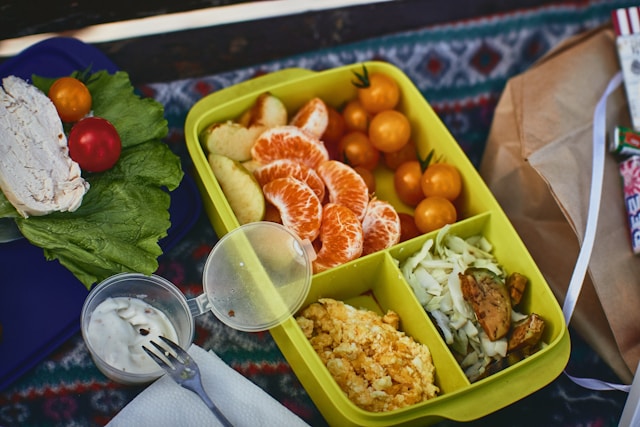
- The most successful approach: prep snacks ahead of time in grab-and-go containers so healthy options are always the easiest choice.
- Involve kids in snack preparation — research shows children are significantly more likely to eat foods they’ve helped make.
Finding healthy snacks for kids that are genuinely nutritious, easy to prepare, and actually eaten rather than traded away or left at the bottom of the bag is one of the great practical challenges of parenting. Kids’ snacks matter more than most parents realise — as Registered Dietitian Kristine Shirvinski from Geisinger notes, choosing smart snacks can significantly impact a child’s mood and performance at school, and kids who learn to enjoy nutritious options are more likely to maintain healthy habits into adulthood. Here are 15 genuinely kid-tested, nutritionist-approved ideas.
Why Healthy Snacks for Kids Matter
Healthy snacks for kids are not a luxury or an afterthought — they’re a critical nutritional delivery mechanism. Children spend approximately 6 hours in the classroom, and learning requires significant brain power that depends on stable blood sugar, adequate protein, and micronutrient availability. Most kids don’t eat three clean meals a day — they graze, meaning snacks collectively make up a substantial proportion of their daily nutritional intake. A child eating 2–3 snacks per day is consuming roughly 700–1,000 snacks per year — each one an opportunity to build or erode nutritional habits that influence their health for decades.
What Makes a Snack Nutritious for Kids?
The best healthy snacks for kids share three characteristics: protein (for sustained energy and satiety), fibre (for stable blood sugar and digestive health), and healthy fats (for brain development and fat-soluble vitamin absorption). According to Healthline’s nutritionist-reviewed kids snacks guide, the ideal snack includes a variety from fruits, vegetables, whole grains, and lean proteins. Critically, full-fat dairy foods contribute significantly to children’s requirements for calcium, magnesium, and vitamins A and D — so low-fat alternatives are not necessarily better for growing children. Avoid snacks high in added sugars, sodium, and artificial additives — these provide energy without nutrition and reinforce preferences for processed flavours.
💡 Did You Know? Young children are natural neophobics — meaning they’re instinctively afraid of new foods. Broadening the snack menu from an early age actively trains toddlers to be more open-minded about trying new foods — a habit that benefits them in every way as they grow. Consistently offering variety is one of the most powerful nutritional interventions a parent can make.
15 Healthy Snacks for Kids They’ll Actually Eat
1. String Cheese with Whole Grain Crackers
A classic combination that delivers about 6 grams of protein from the cheese, calcium for growing bones, and sustained energy from whole grain fibre. String cheese is portable, fun to eat, and requires zero preparation — making it one of the best grab-and-go healthy snacks for kids.
2. Apple Slices with Nut Butter
Apple with natural peanut or almond butter provides fibre from the apple (about 3 grams), protein and healthy fats from the nut butter, and natural sweetness that satisfies a sweet tooth without added sugar. Slice and pack with a small container of nut butter for school. Use sunflower seed butter for nut-free environments.
3. Plain Full-Fat Yogurt with Berries
Choose plain, full-fat yogurt and add fresh or frozen berries — avoiding the heavily sugared kids’ yogurt products marketed to parents. Full-fat yogurt provides calcium, protein, and probiotics for gut health. Berries add antioxidants, fibre, and natural sweetness. A drizzle of honey (for children over 12 months) improves palatability without a sugar spike.
4. Ants on a Log (Celery, Nut Butter, Raisins)
A childhood classic for good reason: celery provides fibre and crunch, nut butter delivers protein and healthy fats, and raisins add natural sweetness and iron. The interactive preparation — kids fill the celery “log” with the “ants” — makes it engaging and more likely to be eaten. A perfect balance of carbohydrates, protein, and fat in one snack.
5. Edamame with Sea Salt
Edamame (soybeans) are one of the most nutritiously dense snack options available — a half cup delivers 8+ grams of plant protein, 4 grams of fibre, and significant iron and omega-3 fatty acids. Kids love the interactive “popping” motion of eating edamame from the pods. Microwave frozen edamame for 2 minutes, sprinkle with sea salt, done.
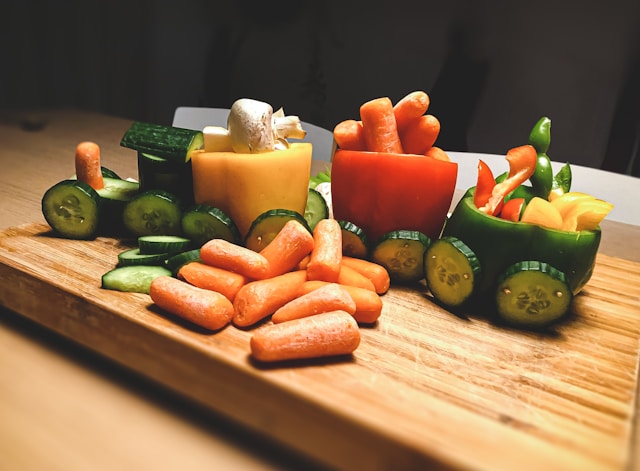
6. Hummus with Veggie Dippers
Hummus provides plant protein and fibre from chickpeas; paired with carrot sticks, cucumber slices, or bell pepper strips it creates a satisfying snack that introduces vegetables in a fun, dipping-friendly format. Pre-packed single-serve hummus cups make this portable and school-friendly.
7. Hard-Boiled Eggs
Hard-boiled eggs are a nutritional powerhouse — providing 6 grams of high-quality protein, vitamin D, B12, choline, and folate per egg. Boil a batch on Sunday and refrigerate for the week. Slice in half, sprinkle with salt, and pack — simple, satisfying, and an excellent concentration of nutrients in a small package.
8. Homemade Trail Mix
Making trail mix with your child is both educational and practical. Combine a whole grain cereal (original Cheerios), seeds (pumpkin or sunflower), dried fruit (raisins, dried cranberries), and a small amount of dark chocolate chips. This customisable mix provides sustained energy from complex carbohydrates, healthy fats from seeds, and antioxidants from dark chocolate — all in one portable bag.
9. Sweet Potato Chips (Baked)
Thinly slice sweet potatoes, toss with olive oil and sea salt, bake at 400°F for 22 minutes. The result is a crispy, naturally sweet snack rich in beta-carotene (vitamin A), potassium, and vitamins C and K. Dramatically more nutritious than processed crisps with a flavour kids genuinely love.
10. Air-Popped Popcorn
Popcorn is actually a whole grain — providing fibre and complex carbohydrates when prepared correctly. Air-pop and season lightly with salt or a sprinkle of Parmesan cheese. Avoid microwave butter varieties and commercial kettle corn for everyday snacking. Note: popcorn is a choking hazard for children under 4 years old.
11. Banana with Nut Butter
One of the simplest and most popular healthy snacks for kids — a banana provides potassium, vitamin B6, and natural sugars for quick energy, while nut butter adds protein and healthy fats to slow the sugar release and provide satiety. Takes 30 seconds to prepare.
12. Cheese Cubes and Fruit
A simple combination of cubed cheddar or mozzarella with seasonal fruit (grapes, strawberries, melon) provides calcium and protein from the cheese paired with vitamins and natural sweetness from the fruit. Prep in small containers ahead of time for instant grab-and-go availability.
13. Smoothies
A well-made smoothie is one of the most effective ways to pack nutrients into a format kids love. Blend frozen berries, a banana, plain yogurt, a handful of spinach (undetectable in flavour), and milk. The result delivers protein, calcium, fibre, antioxidants, and vitamins in one drink. Avoid adding fruit juice — it adds sugar without the fibre benefit of whole fruit.
14. Mini Egg Muffins
Whisk eggs with chopped vegetables (peppers, spinach, cherry tomatoes), pour into a greased mini muffin tin, and bake at 375°F for 15 minutes. These protein-packed, vegetable-rich mini muffins can be made in bulk, refrigerated for 5 days, or frozen. They’re portable, savoury, and genuinely filling — one of the most nutritionally impressive snack options for school-age kids.
15. Turkey and Avocado Roll-Ups
Wrap a slice of turkey around avocado slices (tossed lightly in lime juice to prevent browning). Turkey provides high-quality protein for tissue repair and growth; avocado delivers heart-healthy monounsaturated fats, fibre, folate, and vitamins C and K. A satisfying, finger-food snack with excellent macronutrient balance.
Tips for Picky Eaters
Getting healthy snacks for kids accepted by picky eaters requires strategy. Use positive language — rather than calling foods “good” or “bad,” use “always foods” (that help your body grow strong) and “sometimes foods.” Involve kids in preparation — children are far more likely to eat what they’ve helped make. Present new foods alongside familiar favourites. Use dips — hummus, yogurt dip, or nut butter dramatically increase vegetable acceptance. Make it tactile — kids love finger foods they can pick up, dip, and arrange. And be persistent without pressure — research shows children need to be exposed to a new food 10–15 times before accepting it.
Common Healthy Snacking Mistakes
Buying “kids’ versions” of foods. Products marketed specifically to children — kids’ yogurts, fruit pouches, children’s cereal bars — are frequently higher in added sugar and lower in actual nutrition than their adult equivalents. Read labels: if the first or second ingredient is any form of sugar, look for a better option.
Grazing all day without structure. Offering snacks too frequently throughout the day can disrupt appetite at mealtimes and create a grazing habit that makes it harder for children to recognise and respond to genuine hunger and fullness cues. Structured snack times (mid-morning and afternoon) work better than continuous availability.
Building a Healthy Snack Routine for Kids
Consistency is key for healthy snacks for kids: set structured snack times (mid-morning and mid-afternoon), prep snacks in advance at the start of the week so they’re ready to grab, keep healthy options at eye level in the fridge, and involve children in choosing from a set of healthy options (not unlimited choice — guided choice). For more family nutrition guidance, explore our Nutrition section at Blooming Vitality. Healthline’s dietitian-reviewed guide to healthy kids’ snacks and Geisinger’s registered dietitian snack recommendations are excellent additional resources.
When to Talk to a Paediatric Dietitian
Consider consulting a paediatric dietitian if your child has significant food allergies or intolerances that limit snack options; if your child is consistently refusing most food groups; if there are concerns about growth, weight, or nutritional adequacy; or if snacking and eating have become a persistent source of family stress. A registered paediatric dietitian can provide personalised guidance that turns these challenges into manageable, practical solutions.
🥕 Small snacks, big impact.
Prep a few of these healthy snacks for kids at the start of each week and keep them within easy reach. When the healthiest option is also the most accessible option, that’s when habits form — and those habits become a foundation for a lifetime of good nutrition.
Disclaimer: This article is for educational purposes only. Consult a registered paediatric dietitian for personalised nutrition advice for your child, especially if there are any health concerns or food allergies.