
💚 TL;DR
- Mouth tape for sleeping encourages nasal breathing during sleep, which delivers warmer, more humidified, filtered air and activates the parasympathetic nervous system.
- Nasal breathing also increases nitric oxide production, which improves oxygen delivery to the body by up to 18%.
- Evidence suggests mouth taping can reduce snoring, dry mouth, and mild sleep apnoea symptoms in those who habitually mouth breathe.
- Important safety note: Mouth tape is NOT safe for people with nasal blockage, moderate-to-severe sleep apnoea, or certain medical conditions.
Mouth tape for sleeping has become one of the most discussed sleep biohacking practices in the USA and UK — and while it may sound extreme, the science behind nasal breathing during sleep is genuinely compelling. From James Nestor’s bestselling book Breath to growing clinical interest in the upper airway’s role in sleep quality, the question of whether you breathe through your nose or mouth while sleeping is increasingly recognised as one of the most impactful variables in sleep health that most people have never considered.
Why Nasal Breathing During Sleep Matters
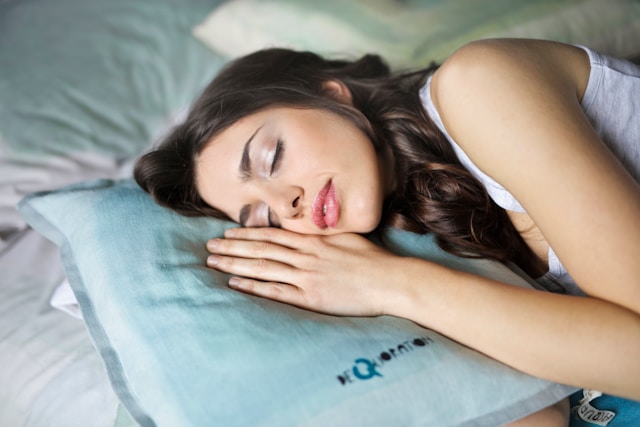
Your nose is a sophisticated air-conditioning, filtering, and conditioning system. Nasal breathing warms, humidifies, and filters incoming air, removing pathogens and particulates before they reach the lungs. More importantly for sleep, nasal breathing stimulates the production of nitric oxide — a potent vasodilator that improves oxygen delivery throughout the body by up to 18%. Nasal breathing also activates the parasympathetic nervous system more effectively than mouth breathing, promoting the calm, low-arousal state optimal for deep sleep. Mouth tape for sleeping works by gently keeping the lips together to encourage this beneficial breathing pattern throughout the night.
The Science Behind Mouth Tape for Sleeping
A study published in PubMed found that mouth taping in adults with primary snoring and mild sleep apnoea significantly reduced snoring frequency and severity, and modestly improved oxygen saturation during sleep. NHS guidance on snoring notes that nasal breathing promotion and positional therapy are appropriate first-line interventions for habitual snorers without confirmed sleep apnoea, which is precisely what mouth tape for sleeping aims to achieve.
5 Potential Benefits of Mouth Tape for Sleeping
1. Reduced Snoring
The primary evidence-based benefit of mouth tape for sleeping is a meaningful reduction in snoring. Mouth breathing during sleep causes the soft tissues of the throat to vibrate more — producing louder, more frequent snoring. Encouraging nasal breathing via mouth tape reduces this tissue vibration and can dramatically decrease snoring in habitual mouth breathers.
2. Less Dry Mouth and Better Oral Health
Mouth breathing during sleep dries the oral mucosa, reduces saliva production, and significantly increases the risk of dental decay, gum disease, and bad breath. Mouth tape for sleeping eliminates this problem by keeping the mouth closed and maintaining the moist oral environment that saliva is designed to provide.
3. Improved Sleep Quality Through Nasal Nitric Oxide
The nitric oxide boost from nasal breathing — a molecule produced in the nasal sinuses and delivered to the lungs with each nasal breath — improves blood oxygenation and circulation. Many users of mouth tape for sleeping report waking more refreshed, a likely consequence of improved oxygen delivery during sleep.
4. Calmer Nervous System During Sleep
Nasal breathing activates the parasympathetic nervous system more strongly than mouth breathing — reducing heart rate variability’s sympathetic component and promoting deeper sleep states. Mouth tape for sleeping that successfully promotes nasal breathing throughout the night may contribute to a calmer overall nervous system state and more restorative sleep.
5. Potential Mild Sleep Apnoea Improvement
In people with mild positional or mouth-breathing-exacerbated sleep apnoea, mouth tape for sleeping has shown modest reductions in AHI (apnoea-hypopnoea index) in small studies. However, this should not be confused with treatment for moderate-to-severe sleep apnoea — in those cases, mouth tape can be dangerous, and CPAP or other medical treatment is required.
💡 Did You Know? The human nose produces approximately 200–250ml of nasal mucus per day, which traps airborne pathogens before they reach the respiratory tract. Nasal breathing during sleep — which mouth tape for sleeping promotes — means your immune system is working approximately 20% more efficiently overnight than if you breathe through your mouth. Cleveland Clinic researchers highlight nasal breathing as a foundational component of respiratory health that most adults dramatically undervalue.
How to Use Mouth Tape for Sleeping Safely
- Use medical-grade tape: Purpose-made mouth tapes (such as 3M Micropore surgical tape or dedicated sleep tapes like Somnifix) are breathable and gentle on skin. Never use duct tape or strong adhesive tape.
- Start slowly: Wear the tape while awake first (reading, watching TV) to get comfortable before sleeping with it.
- Apply vertically or horizontally: A small piece applied across the lips (not sealing them shut) is sufficient — the goal is gentle encouragement, not forced closure.
- Check your nasal airway first: Mouth tape for sleeping is only appropriate if you can comfortably breathe through your nose. If your nose is chronically blocked, treat the underlying cause (allergies, deviated septum) first.
Who Should NOT Use Mouth Tape for Sleeping
- People with moderate-to-severe sleep apnoea (confirmed by sleep study) — mouth tape can worsen apnoeic episodes in these cases
- Anyone with chronic nasal congestion, a deviated septum, or significant nasal polyps
- People who have consumed alcohol before bed (reduced airway muscle tone + restricted exit route = risk)
- Anyone with nausea, vomiting, or gastroesophageal reflux
- Children without parental supervision and paediatric specialist guidance
If you suspect you have sleep apnoea, please read our companion article on sleep apnoea symptoms in women and seek medical evaluation before trying a mouth tape for sleeping.
When to Seek Professional Help
If snoring, dry mouth, or poor sleep quality persist despite trying mouth tape for sleeping, or if your partner has witnessed breathing pauses, gasping, or choking during sleep, please consult your GP and request a sleep apnoea assessment. Mouth tape is not a substitute for clinical evaluation — and attempting to treat sleep apnoea with tape alone is potentially dangerous. Always rule out serious sleep-disordered breathing before self-managing with mouth tape for sleeping.
🌬️ Have You Tried Mouth Taping?
Have you experimented with mouth tape for sleeping? Share your experience in the comments — we’d love to hear whether it made a difference for your snoring or sleep quality!
📖 Read next: Sleep Apnea Home Test — make sure you don’t have sleep apnoea before trying mouth tape.