
⚡ TL;DR — Key Takeaways
- Nervous system regulation is the ability to consciously shift your body from a stressed fight-or-flight state back to calm — and science now shows you can do it in minutes.
- Chronic unregulated stress keeps cortisol elevated, damages the heart, disrupts sleep, and accelerates cellular aging.
- Five free, proven techniques — including coherent breathing, somatic shaking, and cold water immersion — physically reset your stress response without medication.
- The Global Wellness Summit named neurowellness the #1 breakthrough wellness trend of 2026, and TikTok’s #nervoussystemhealing has already surpassed 230,000 videos.
Nervous system regulation is not a buzzword — it’s the biological skill your body has been waiting for you to learn. Most of us spend our days locked in a low-grade state of fight-or-flight, driven by deadlines, screens, notifications, and the constant hum of modern stress. The result isn’t just feeling tired or anxious. It’s a body stuck in survival mode: elevated cortisol, disrupted digestion, shallow breathing, poor sleep — and over time, accelerated aging. The good news? Your nervous system is not a fixed dial. It’s a dynamic, trainable system, and in this guide, you’ll learn exactly how to reset it.
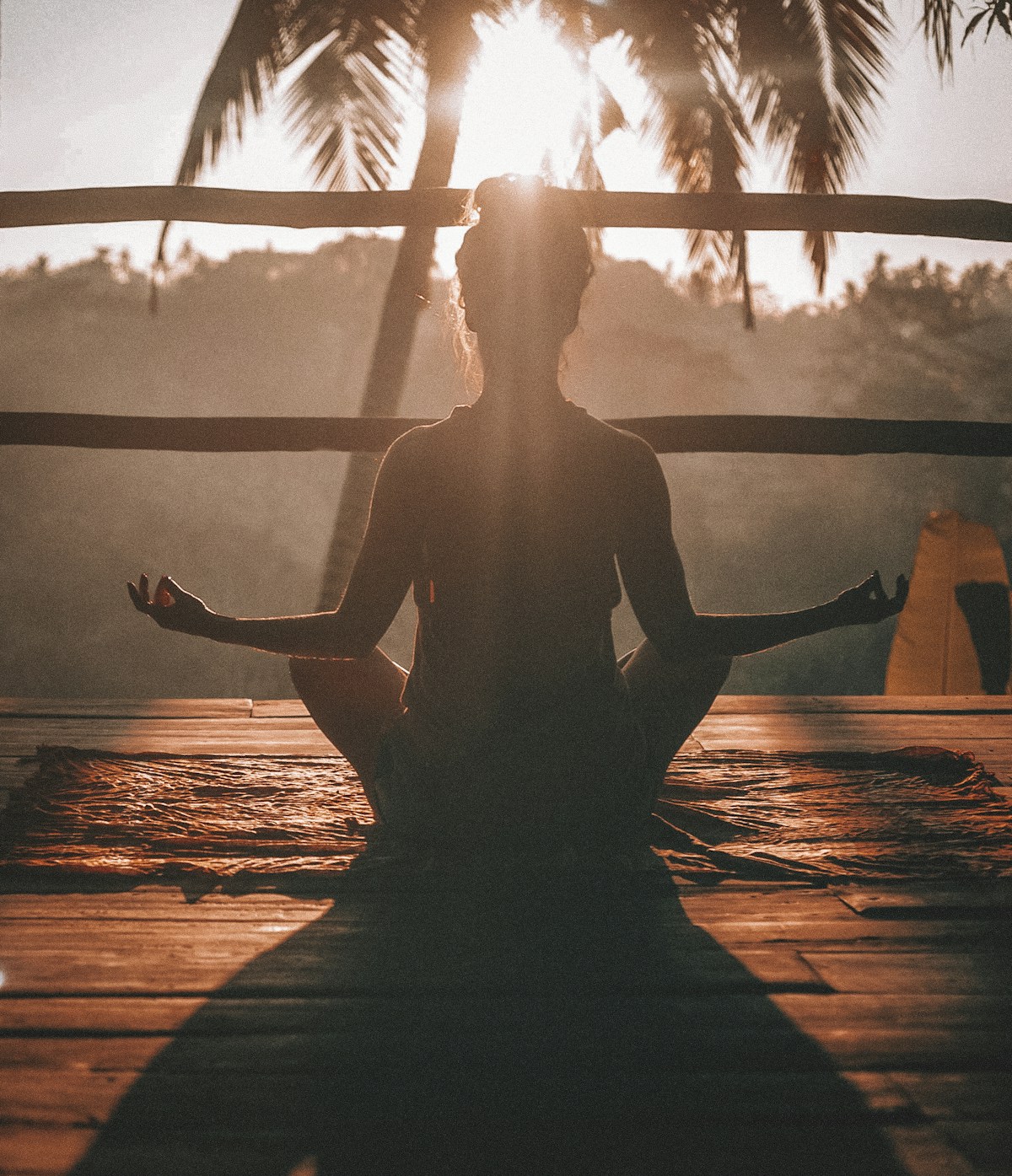
What Is Nervous System Regulation?
Your autonomic nervous system (ANS) runs on autopilot, controlling heart rate, breathing, digestion, and your stress response. It has two primary modes: the sympathetic branch (fight-or-flight) and the parasympathetic branch (rest-and-digest). Nervous system regulation is the practice of consciously shifting your body from the former to the latter — moving from high-alert survival mode into a state of calm, repair, and growth.
When your nervous system is regulated, you sleep better, think more clearly, digest your food properly, and feel emotionally resilient. When it’s dysregulated — stuck in chronic activation — even small stressors can feel overwhelming. The Global Wellness Summit’s 2026 Future of Wellness Report named nervous system regulation the industry’s next major frontier, calling it “far more than a fleeting trend.”
The Science Behind Nervous System Regulation
At the heart of nervous system regulation is the vagus nerve — the longest nerve in the body, running from the brainstem down through the heart, lungs, and gut. It acts as the primary data cable of the parasympathetic system. Scientists measure “vagal tone” to assess how well your body can recover from stress: high vagal tone means you bounce back quickly; low vagal tone means you stay stuck in the stress response long after the trigger is gone.
Research published in the journal Applied Sciences found that a four-week course of vagus nerve stimulation significantly reduced stress, anxiety, and depression while also increasing confidence in study participants. Separately, researchers at Northwell Health’s Feinstein Institutes have identified a specific brain circuit that creates a shared pathway for both immune responses and the stress response — meaning that regulating your nervous system doesn’t just calm your mind, it actively reduces inflammation in your body.
Modern neuroscience also confirms that the brain maintains neuroplasticity throughout life. This means repeated use of nervous system regulation techniques can literally build new neural pathways — making calm your brain’s new default setting, not just a temporary state.
💡 Did You Know? On TikTok, the hashtag #nervoussystemhealing has surpassed 230,000 videos — making nervous system regulation one of the fastest-growing wellness conversations of 2026, according to the Global Wellness Summit.
5 Nervous System Regulation Techniques You Can Try Today
These techniques work by giving your nervous system a direct, physical signal that you are safe. Unlike talking or journaling (which engage the thinking brain), somatic practices bypass cognition and speak directly to the body’s alarm system. You cannot think your way calm — but you can breathe, move, and touch your way there.
1. Coherent Breathing (The 5-Breath-Per-Minute Reset)
Coherent breathing — breathing at exactly five to six cycles per minute — synchronises your heart, lungs, and brain into a state of maximum resonance. This is arguably the most researched nervous system regulation tool available, and it costs nothing.
How to do it: Inhale slowly for 5 counts, exhale slowly for 5 counts. Repeat for 5–10 minutes. You can use a free app like “Insight Timer” to guide the pace. Even one minute of coherent breathing measurably increases heart rate variability (HRV) — a key biomarker of parasympathetic activity.
2. Somatic Shaking (TRE — Tension & Trauma Release)
Animals naturally shake their bodies after a stressful event to discharge survival energy from their nervous systems. Humans have largely lost this instinct — but we can reclaim it. Somatic shaking, popularised through Tension and Trauma Releasing Exercises (TRE), is one of the fastest-rising nervous system regulation practices of 2026.
How to do it: Stand with feet hip-width apart, bend your knees slightly, and allow small tremors to travel up through your legs and torso. Start with 5 minutes. The shaking looks unusual but produces a profound sense of release and calm in the nervous system afterward.
3. Cold Water Face Immersion
Submerging your face in cold water (or splashing ice-cold water on your face) triggers the mammalian dive reflex — an immediate, involuntary parasympathetic response that slows the heart rate within seconds. This is one of the fastest nervous system regulation hacks known to science, used in Dialectical Behaviour Therapy (DBT) as a crisis-management tool.
How to do it: Fill a bowl with cold water (add a few ice cubes if you have them). Take a deep breath, submerge your face for 15–30 seconds. Repeat 2–3 times. Your heart rate can drop by 10–25% within the first 30 seconds.
4. The Physiological Sigh
Researchers at Stanford University, led by Dr. Andrew Huberman and Dr. David Spiegel, identified the physiological sigh as the fastest single breath technique for nervous system regulation. A double inhale through the nose followed by a long exhale fully deflates the alveoli in the lungs, rapidly offloading carbon dioxide and activating the parasympathetic brake.
How to do it: Take a full inhale through your nose, then sniff in a little more air on top (a second quick inhale), then release a long, slow exhale through the mouth. One to three repetitions are enough to noticeably shift your state. This is so effective that the research team published it in Cell Reports Medicine as a clinically validated stress-reduction technique.
5. Humming or Chanting
Humming creates vibration in the vocal cords that directly stimulates the vagus nerve — one of the simplest nervous system regulation techniques backed by both ancient traditions and modern research. Yoga’s “Bhramari” (humming bee breath) has been practised for thousands of years for exactly this effect. Today, the Global Wellness Summit lists humming and chanting as key somatic approaches being reframed as “nervous system medicine.”
How to do it: Close your eyes, take a deep breath, and hum on the exhale — feeling the vibration in your chest and throat. Repeat for 5–10 breaths. Even humming your favourite song counts. The key is the sustained exhale combined with the physical vibration.
Nervous System Regulation in Real Life: What It Actually Feels Like
Consider a common scenario: you receive a stressful email at 3pm. Your shoulders tense, your jaw clenches, your breathing gets shallow. In the old model, you either push through the anxiety or spend the rest of the day in low-grade stress. With nervous system regulation tools, you have a third option. You take 90 seconds — a physiological sigh, or a minute of coherent breathing — and you physically shift your body’s state before responding.
This isn’t about suppressing emotions. It’s about giving your biology the safety signal it needs so that your thinking brain (the prefrontal cortex) can come back online and make good decisions. As experts in neurowellness describe it: you are moving from “survival mode” into “growth and repair mode” — which is exactly where creativity, connection, and good health live.
Common Nervous System Regulation Misconceptions
- “I just need to relax more.” Relaxation and nervous system regulation are not the same thing. Watching TV or scrolling your phone can feel relaxing but actually keeps your nervous system in low-grade activation. True regulation requires active, body-based input.
- “These techniques are too simple to really work.” The simplicity is the point. Your nervous system responds to direct physiological signals — breath rate, temperature, vibration — not to complex interventions. Simple, consistent practice builds lasting change through neuroplasticity.
- “You only need this if you have trauma or anxiety.” Everyone’s nervous system is impacted by modern life. Nervous system regulation is a foundational wellness practice for all people — like exercise or sleep hygiene — not a clinical tool reserved for those in crisis.
- “You have to do it for a long time to notice a difference.” Some techniques, like the physiological sigh or cold water face immersion, produce measurable changes in heart rate within seconds. Consistent practice deepens the effect, but the first benefit is often immediate.
How to Build a Daily Nervous System Regulation Routine
The key to lasting nervous system regulation is consistency over intensity. Short, regular doses of these practices reshape your neural pathways far more effectively than occasional long sessions. Here’s a simple daily structure to start with:
- Morning (2 minutes): Before checking your phone, do 10 rounds of coherent breathing (5 counts in, 5 counts out). This sets a regulated baseline for the day.
- Mid-day (1 minute): After any stressful interaction or task, take 3 physiological sighs to reset before moving on. This prevents stress from accumulating across the day.
- Evening (5 minutes): Try somatic shaking or humming before dinner to discharge the tension of the day. This supports better digestion, deeper sleep, and a calmer evening.
- Weekly (10–15 minutes): Try a full TRE shaking session or a cold shower with 60 seconds of cold exposure at the end. These deeper resets reinforce your growing nervous system resilience.
Looking for more ways to calm your body? Read our guide on somatic breathwork for stress relief — it pairs perfectly with the techniques above.
When Nervous System Regulation Isn’t Enough — Seeking Professional Help
Self-directed nervous system regulation techniques are powerful tools for everyday stress and resilience-building. However, they are not a replacement for professional care when deeper support is needed. If you are experiencing persistent anxiety that interferes with daily life, symptoms of PTSD, severe depression, or you find that these techniques feel overwhelming or destabilising rather than calming, please reach out to a qualified therapist or healthcare provider.
Somatic therapists and trauma-informed practitioners specialise in exactly this kind of work and can guide you safely through deeper nervous system regulation in a clinical setting. You can find qualified practitioners through the Somatic Experiencing International directory. Your nervous system deserves both daily self-care and professional support when the need arises.
🌿 Try This Today
Right now, before you close this tab, try one physiological sigh: inhale fully through your nose, sniff in a little more, then exhale slowly through your mouth. Notice how your body feels different in just one breath. That is nervous system regulation working — and it’s yours, free, anytime you need it. Share this with someone who’s been running on empty lately. 💚